
Workflows
Discover our most popular workflow templates
.svg)
The Daily Timesheets & LEM Reports workflow provides multiple ways for teams to capture daily job site activity. It includes both team-based and individual timesheet formats, allowing flexibility based on crew structure and reporting preferences.
The Employee Onboarding workflow helps HR teams efficiently manage the onboarding process for new hires. It begins with a New Employee Intake Form that automatically creates a user profile and generates a tracking card in the onboarding board.
The Bid & Project Tracking workflow helps teams manage opportunities from early bid intake through project handoff. Users can manually create bid requests in the Estimating Pipeline Board to track incoming opportunities, organize bid activity, and maintain visibility across their pipeline.
The RFI Tracking workflow enables teams to capture, manage, and track RFIs across all projects in a centralized system. RFIs are submitted through a standardized form and automatically routed to the appropriate project manager or approver.
The Service Job Management workflow enables teams to streamline service operations from initial request through job completion and invoicing. Service requests can be submitted internally or externally through a public-facing form, creating and tracking jobs in a centralized board.
Featured Blogs
Read our featured blogs for the latest news in the construction industry
Construction Forms Software: How to Build Digital Forms Your Crew Will Actually Fill Out
You bought construction forms software. You rebuilt the FLHA, the equipment inspection and the daily timesheet in it. ...

How to Improve Employee Onboarding for Construction Teams
Hiring a new employee is only the beginning.
Blogs
Construction Forms Software: How to Build Digital Forms Your Crew Will Actually Fill Out
You bought construction forms software. You rebuilt the FLHA, the equipment inspection and the daily timesheet in it. Six months later the foreman still texts photos of a paper sheet, the office still retypes hours, and when a client disputes an extra you still cannot find the signed ticket.
How to Improve Employee Onboarding for Construction Teams
Hiring a new employee is only the beginning.
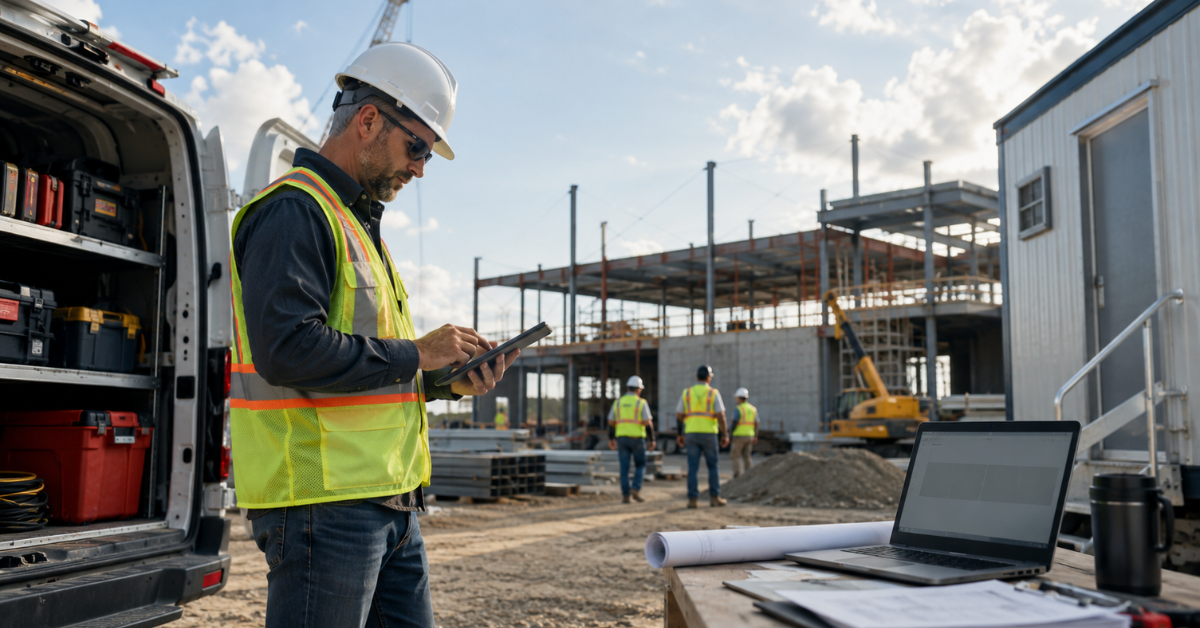
How to Track Service Jobs From Request to Invoice
Service work can look pretty simple on paper. A customer calls with an issue, someone books a technician, the work gets done and the office sends an invoice.
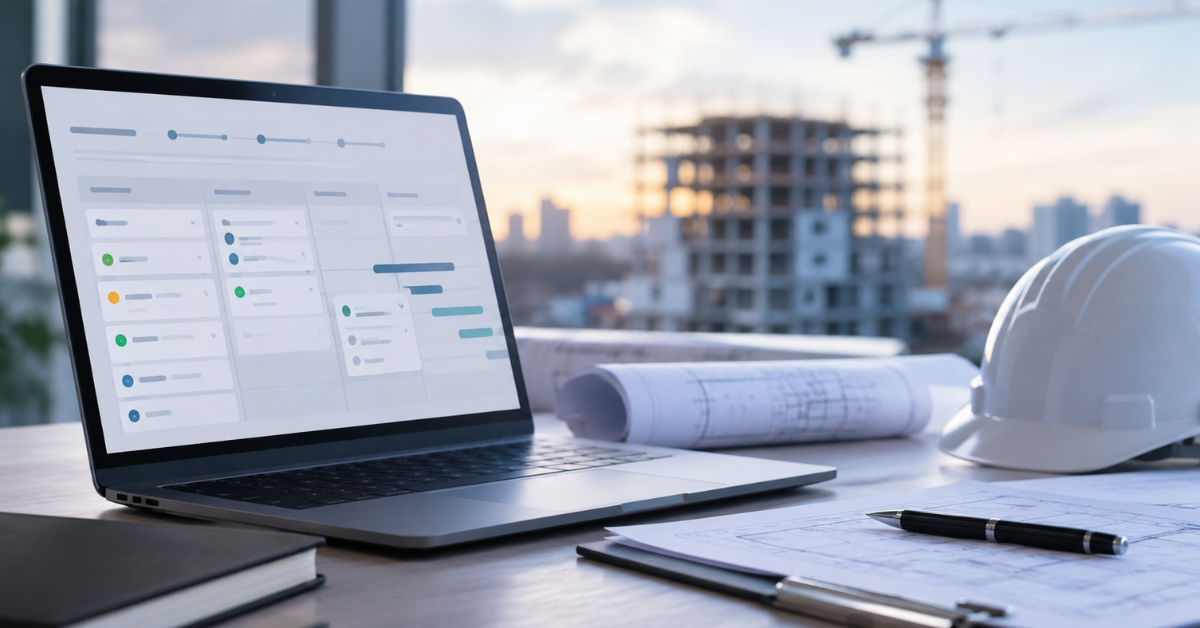
How to Build a Better Construction Bid Tracking Process
Winning work is one thing. Keeping that work organized from the first bid request to the first day of execution is another.

Why RFIs Are So Easy to Lose Track Of
If your construction team is constantly chasing clarification through email threads, spreadsheets, text messages and meeting notes, the problem might not be communication itself. The problem might be that your Request for Information (RFI) process is too disconnected.

How to Track Labor, Equipment and Materials in Construction
Time tracking starts in the field, not at the end of the day.

5 Common Construction Workflow Issues and How to Fix Them
If you talk to almost any construction team, you’ll hear the same frustrations.
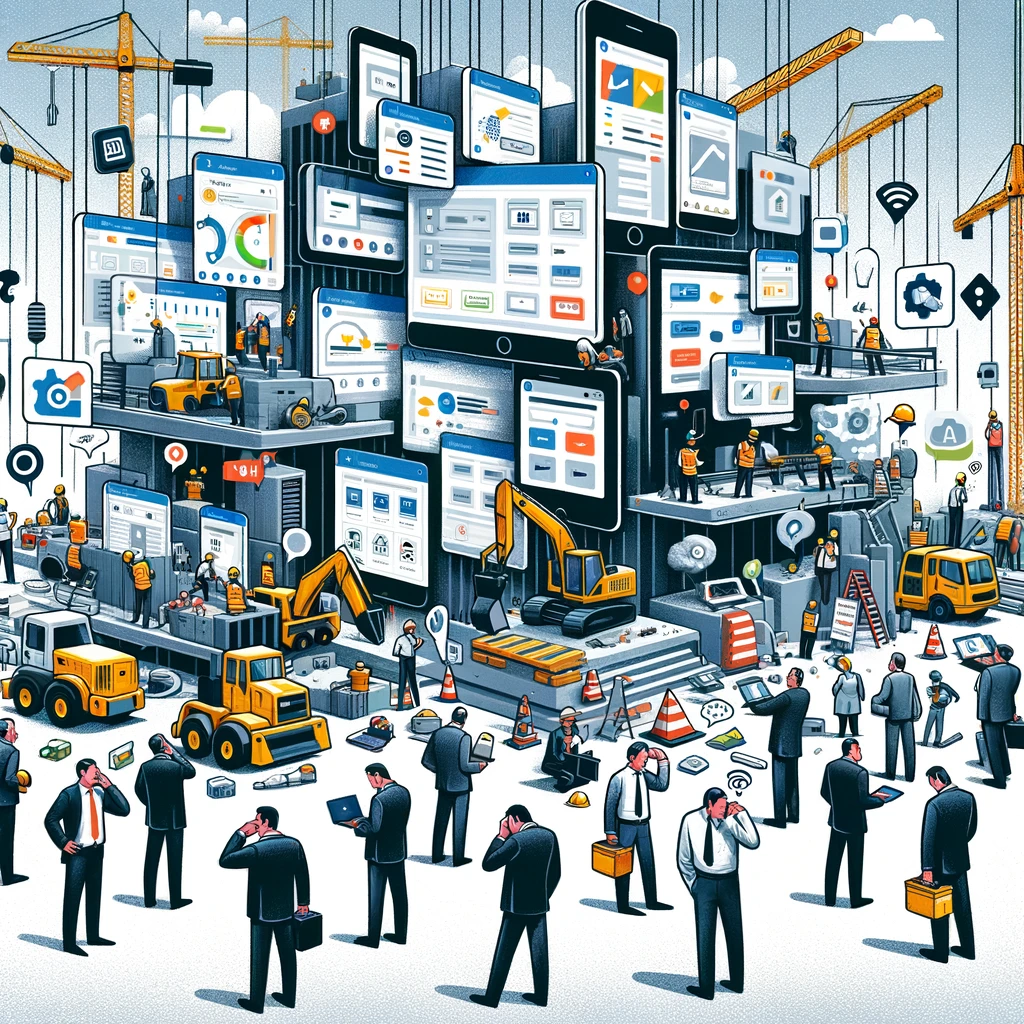
The Advantage of All-in-One Construction Management Software Over Multiple Apps
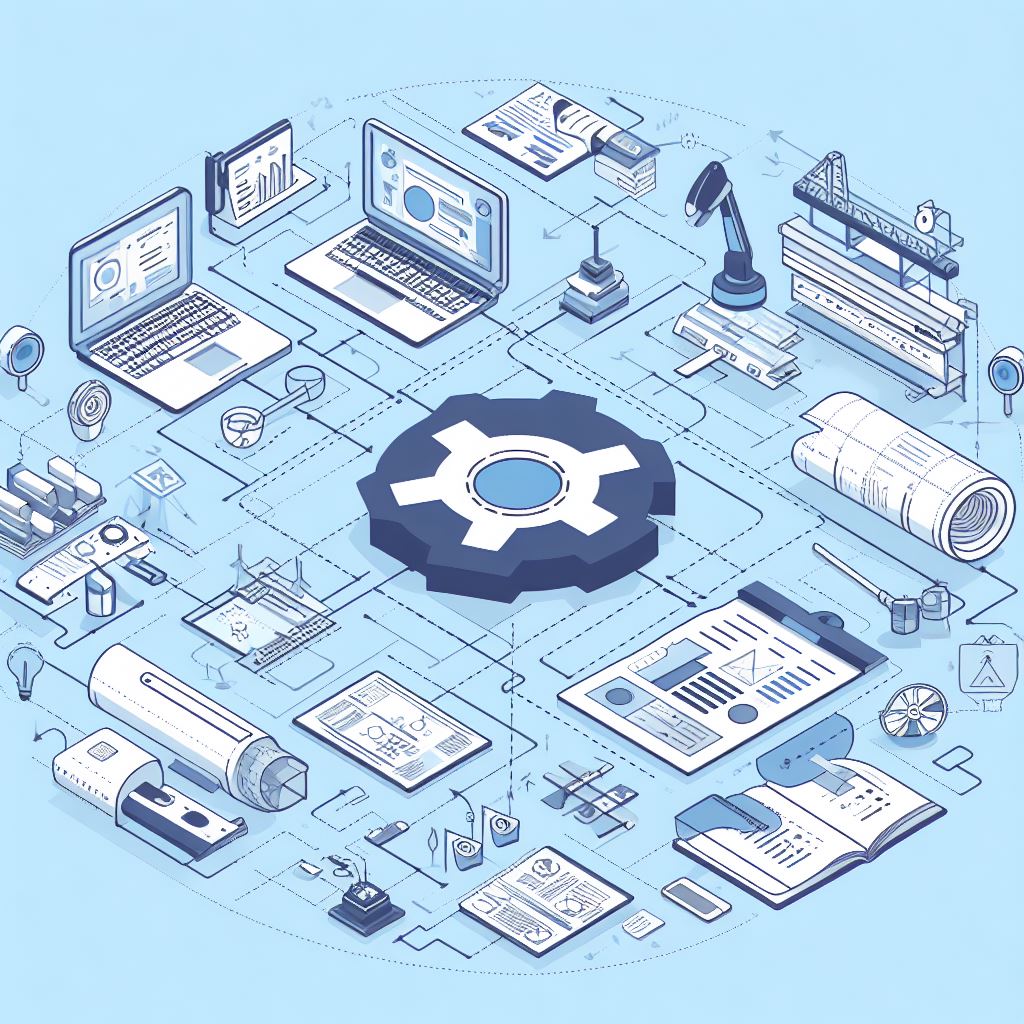
In the fast-paced construction industry, managing multiple applications for different aspects of business operations is becoming increasingly problematic. This fragmented approach leads to inefficiencies, data silos, and communication breakdowns, directly impacting productivity and growth. The solution? Transitioning to an all-in-one platform like Ontraccr. This article examines the pressing need for construction businesses to move away from juggling multiple apps towards adopting a unified solution. We'll explore how an all-in-one construction management platform can address technical, financial, and operational challenges head-on, providing a streamlined, efficient, and scalable approach to managing construction projects. With Ontraccr's expert guidance and comprehensive support, businesses can ensure a smooth migration, unlocking the full potential of digital transformation in the construction sector.
Elevate Your Business with Contractor Business Management Software
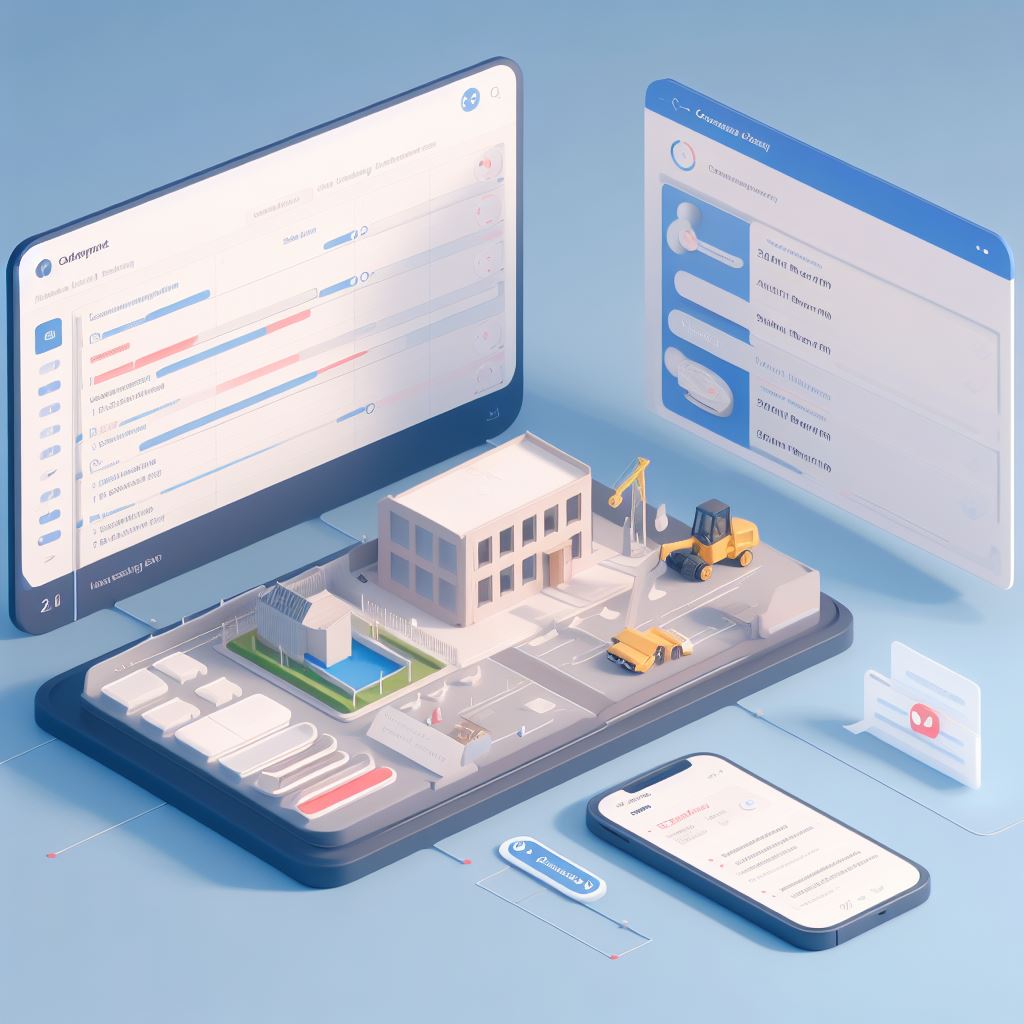
In the competitive environment of the construction industry, contractor management processes are being reshaped by the advent of innovative contractor software. These tailored software solutions are designed to address the unique needs of general contractors, providing a suite of management tools and key features that streamline operations and elevate project outcomes.
What is construction project management software?
Every innovation in the world of construction arises from a pressing need, and the introduction of construction project management software emphasizes this reality. The software's origin was a response to the construction industry's struggle with balancing efficiency and chaos, caused by complex projects and multifaceted operations. For years, the sector faced challenges with manual coordination, excessive paperwork, and outdated tools, resulting in delays, inflated budgets, and compromised quality.

16 Steps to Scale Your Construction Business
Scaling a construction business can be a daunting task, but it's an essential step for long-term success and profitability.

Inspiring the Next Generation of Construction Professionals
As summer draws to a close and students across the country prepare to head back to school, it's an opportune moment to reflect on the future of the construction industry. The construction sector plays a vital role in shaping the world we live in, and to ensure its continued growth and success, it's crucial to inspire and educate the next generation of construction professionals. The Need for Early Guidance One of the most effective ways to address the labor shortage in the construction industry is by introducing young students to construction careers at an early age. Unfortunately, many students are unaware of the diverse and rewarding opportunities that await them in construction. Schools, parents, and industry professionals must collaborate to bridge this awareness gap. Career Paths in Construction The first step is to educate students about the various career paths within the construction industry. While construction might conjure images of hard hats and tool belts, it's a multifaceted sector with roles ranging from architects and engineers to project managers and skilled tradespeople. By presenting these options early on, we can help students discover their interests and passions. Architects and Engineers Architects and engineers are the visionaries behind construction projects. They design and plan structures, ensuring they are safe, functional, and aesthetically pleasing. For students with a passion for design and problem-solving, these roles offer exciting opportunities. Skilled Tradespeople Skilled trades are the backbone of construction. Carpenters, electricians, plumbers, and masons bring designs to life. These hands-on roles are perfect for students who enjoy working with tools and take pride in creating tangible results. Project Managers Project managers are like conductors of a construction orchestra. They oversee every aspect of a project, from budgets to timelines, ensuring everything runs smoothly. This role requires strong organizational and leadership skills, making it suitable for students with a knack for management. STEM Education and Construction Today's construction industry is driven by technology and innovation. It's a field where STEM (Science, Technology, Engineering, and Mathematics) education plays a crucial role. Schools should emphasize the connections between STEM subjects and construction. Math and Physics Math and physics are essential for structural engineering. Students who excel in these subjects can contribute to the safety and stability of buildings. Technology Technology is transforming the way construction projects are designed and executed. Building Information Modeling (BIM), drones, and Construction Workflow Automation (CWA) are just a few examples of tech innovations shaping the industry. Students interested in tech can find a fulfilling career in construction. Hands-On Learning While classroom education is essential, hands-on learning experiences can be transformative. Consider the value of organizing construction site visits for students. These visits provide an opportunity to see construction in action, ask questions, and gain insights into the practical side of the industry. Local construction companies can often be approached to arrange such visits. Incorporating Construction into Curricula Schools can take it a step further by incorporating construction-related projects into their curricula. For example, students might engage in designing and building scale models, allowing them to apply STEM principles in a real-world context. These projects not only teach valuable skills but also foster creativity and problem-solving abilities. Promoting Mentorship and Apprenticeships Mentorship programs and youth apprenticeships are invaluable tools for nurturing young talent in construction. Experienced professionals can guide and inspire students while providing hands-on training. These programs bridge the gap between classroom learning and practical experience, helping students make informed career choices. Breaking Stereotypes To attract a more diverse workforce, it's essential to break gender stereotypes associated with the construction industry. Girls and young women should be encouraged to explore construction careers with the same enthusiasm as their male peers. Highlighting the achievements of successful women in construction can serve as powerful motivation. Final Thoughts The future of the construction industry relies on the enthusiasm and dedication of the next generation. By fostering early interest, providing educational opportunities, and breaking down barriers, we can ensure a steady influx of talented individuals who will shape the future of construction. As students embark on their educational journeys this fall, let's work together to build a brighter future for the construction industry and the world it constructs.

Digital Marketing Tips for Construction Contractors
In an increasingly digital world, the construction industry is not immune to the transformative power of the internet. While the core principles of construction may remain the same - bricks, mortar, and steel - the way construction companies connect with clients and win projects is evolving. Digital marketing is the key to staying competitive and thriving in this changing landscape. Why Digital Marketing Matters in Construction Digital marketing is not just a buzzword; it's a necessity for construction firms looking to grow their client base, increase brand visibility, and ultimately, secure more projects. Here are some compelling reasons why digital marketing matters in the construction industry: 1. A Wider Reach Traditional marketing methods like print ads or word-of-mouth referrals have their limits. Digital marketing opens up a world of possibilities. With a well-structured online presence, you can reach potential clients not just in your local area, but globally. 2. Cost-Effective Compared to traditional advertising, digital marketing is often more cost-effective. You can allocate your budget more efficiently, target specific demographics, and measure the ROI of your campaigns in real-time. 3. Building Trust and Credibility A professional website, active social media profiles, and informative blog posts can establish your construction company as an authority in the field. When potential clients see that you are active online and share valuable insights, they are more likely to trust you with their projects. 4. Engaging Visual Content Construction projects are inherently visual. Digital marketing allows you to showcase your past work through high-quality photos and videos. Engaging visual content not only attracts potential clients but also provides a tangible portfolio of your capabilities. 5. Data-Driven Decision Making Digital marketing platforms provide a wealth of data on campaign performance. This data allows you to make informed decisions about which strategies are working and where you can improve. It's a level of insight that traditional marketing simply can't offer. Key Digital Marketing Strategies for Construction Firms Now that we understand the importance of digital marketing in construction, let's explore some key strategies that can help construction firms make the most of their online presence. 1. Build a Professional Website Your website is often the first point of contact between your construction company and potential clients. It should be professional, easy to navigate, and mobile-friendly. Include a portfolio of your work, client testimonials, and clear contact information. 2. Optimize for Local SEO Local search engine optimization (SEO) is crucial for construction companies serving specific geographic areas. Claim your Google My Business listing, optimize it with accurate business details, and encourage clients to leave reviews. This will help you appear in local search results. 3. Content Marketing Creating valuable content is an effective way to showcase your expertise. Start a blog on your website and regularly publish articles about construction trends, project case studies, or how-to guides. This not only engages your audience but also boosts your SEO. 4. Social Media Presence Social media platforms like Facebook, Instagram, and LinkedIn are excellent tools for connecting with potential clients and industry professionals. Share project updates, behind-the-scenes glimpses, and relevant industry news. 5. Email Marketing Email marketing remains a powerful tool for construction firms. Send out newsletters with project updates, industry insights, and promotional offers to keep your audience engaged. 6. Pay-Per-Click Advertising (PPC) PPC advertising on platforms like Google Ads can help you reach a highly targeted audience. You only pay when someone clicks on your ad, making it a cost-effective way to generate leads. 7. Video Marketing Video content is booming. Consider creating video tours of your projects, explainer videos about construction processes, or even live Q&A sessions on social media to engage your audience. Challenges and Considerations While digital marketing offers immense benefits, it's not without its challenges. The construction industry is competitive, and standing out requires effort and strategy. Here are some challenges to consider: 1. Time and Resources Digital marketing can be time-consuming, especially if you're managing it in-house. Consider outsourcing to professionals or dedicating a team member to handle your online presence. 2. Competition You're not the only construction company looking to harness the power of digital marketing. To stand out, you need a unique value proposition and a strong online strategy. 3. Technical Expertise The digital marketing landscape is continually evolving. Staying up-to-date with the latest trends and technologies is essential for success. In Conclusion Digital marketing is not a luxury but a necessity for construction firms in today's digital age. Building a strong online presence through strategies like website optimization, content marketing, and social media engagement can help you reach more clients, build trust, and ultimately, win more construction projects. Embrace the digital revolution, and your construction firm will be well-positioned for success in the years to come.
A Journey through the Future Construction Site
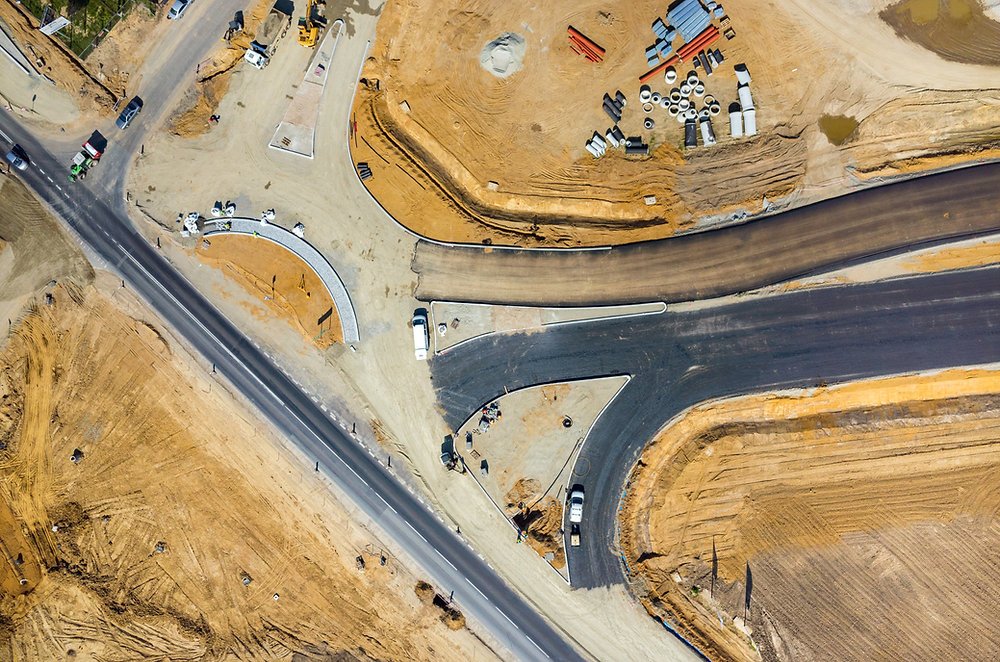
In a world where innovation and progress reign supreme, even the most traditional of industries are not immune to transformation. Join me on a journey into the future, where the clang of hammers and the buzz of construction sites are accompanied by the hum of technology and the whisper of sustainability. As we step into the year 2050, we find ourselves standing at the precipice of a construction site unlike any before—a place where science fiction meets reality, and ancient methods merge with cutting-edge techniques. This is a tale of what the construction site of the future could be, a realm where robotic companions, augmented reality, green initiatives, and digital interconnectedness redefine the very essence of building. Welcome to a world where the blueprint of tomorrow is being constructed today. Part 1: The Arrival In the year 2050, I found myself standing at the threshold of a construction site that seemed to have leaped out of a science fiction novel. Gone were the dusty landscapes and manual labourers hauling heavy loads. Instead, I was greeted by a symphony of futuristic marvels that promised a new era of construction. Part 2: The Digital Canvas As I stepped onto the site, I was handed a pair of augmented reality glasses. Putting them on, I saw the construction area transform into a digital canvas. A digital twin of the entire project floated before my eyes, intricately connected to real-time sensor data. It was as if the site itself had a digital heartbeat. Part 3: Robo Companions Among the flurry of activity, autonomous robots moved gracefully, each with a defined purpose. Some were meticulously placing bricks, while others maneuvered through the site, delivering materials. These robots weren't just machines; they were a new breed of construction companions, working together seamlessly to create structures with unprecedented precision. Part 4: The Green Revolution As I marvelled at the high-tech robotics, my attention was drawn to the buildings rising around me. They seemed to blend with nature rather than intrude upon it. Solar panels covered facades, capturing sunlight to power the site. Green roofs adorned with lush vegetation provided natural insulation, contributing to the site's sustainability. Rainwater was collected, stored, and reused, minimizing the need for external water sources. Part 5: A Glimpse of the Future The future wasn't just about cutting-edge technology; it was also about empowering humans with tools that augmented their skills. Construction workers wore AR glasses that guided them through complex tasks. With a flick of their fingers, they could interact with digital models, ensuring every element was perfectly aligned. The entire construction site was powered by Construction Workflow Automation (CWA) software, with each physical event onsite triggering multiple automated workflows in the background to automatically complete documentation and report on progress without any human involvement. Part 6: The Sky's Eye Drones buzzed overhead, performing tasks that once required days of manual labor. These drones scanned the site, creating 3D maps and models in real-time. They inspected structures, detecting even the tiniest defects with unmatched accuracy. The sky had become the site's watchful eye, ensuring every detail met the highest standards. Part 7: Materials of Tomorrow The very materials that formed these structures were no less remarkable. Self-healing concrete repaired its own cracks, prolonging the life of buildings. Smart materials adapted to environmental conditions, optimizing energy usage and structural integrity. Structures weren't just static; they were alive, responding to the world around them. Part 8: The Dance of Data Data flowed like a river through the site, connecting architects, engineers, and stakeholders in a digital ecosystem. Decisions were no longer made in isolation; they were data-driven and collaborative. Predictive analytics anticipated potential delays and hiccups, allowing the team to navigate challenges with precision. Part 9: The Evolution As I reluctantly left the site, I realized that I had witnessed the evolution of construction. The once dusty landscapes had given way to a symphony of innovation, where technology and sustainability danced in harmony. The construction site of the future wasn't just about building structures; it was about building a better world. Conclusion: Pioneering the Path As I looked back at the construction site of the future, I couldn't help but feel a sense of awe and hope. The industry had embraced change, adapting to a new era where every brick laid and every beam raised was a step towards a brighter, more interconnected, and environmentally conscious future. The journey of construction had been reimagined, and it was a journey worth embarking upon.

Constructing History: Unveiling the Ancient Techniques that Shaped Our World
Construction is the cornerstone of human progress, and throughout history, ingenious methods have been developed to build awe-inspiring structures that still captivate us today. From the towering pyramids of Egypt to the grandeur of the Roman Colosseum, the techniques employed by ancient civilizations not only shaped the world of their time but continue to influence modern construction practices. Join us on a captivating journey through history as we explore the remarkable construction methods of ancient times and their enduring impact on the world of architecture and engineering. The Great Pyramids: A Testament to Precision and Engineering Marvel The Great Pyramids of Giza, built more than 4,500 years ago, stand as a testament to the incredible engineering prowess of the ancient Egyptians. These massive structures were constructed using an ingenious combination of manual labor, precise measurement, and ingenious engineering techniques. The pyramid builders used simple tools like copper chisels and saws, but it was their meticulous planning and organization that allowed them to create these monumental structures. One remarkable aspect of pyramid construction is the precise alignment of the massive stone blocks. The ancient Egyptians used a system of surveying and leveling to ensure that the pyramids were perfectly aligned with the cardinal points of the compass. The precision achieved in the placement of these massive stones, some weighing over 80 tons, is a feat that still baffles experts and demonstrates the sophisticated construction methods of the time. The influence of ancient Egyptian construction techniques can be seen in modern construction, particularly in the field of surveying and alignment. The principles of precise measurement and leveling, developed by the pyramid builders, are foundational to modern engineering, ensuring that structures are built with accuracy and stability. The Roman Colosseum: Architectural Ingenuity The Roman Colosseum, an iconic symbol of ancient Rome, is a masterpiece of architectural design and engineering. Built in the first century AD, this massive amphitheater could hold up to 80,000 spectators and hosted gladiatorial contests, animal hunts, and other grand spectacles. One of the most remarkable aspects of the Colosseum is its innovative use of arches and vaults. The Romans were masters of arch construction, using the keystone principle to distribute weight evenly and create structures that could span significant distances without the need for extensive support columns. This technique not only allowed the construction of large open spaces like the Colosseum's arena but also influenced the development of architectural styles throughout history. The enduring legacy of Roman construction methods can be seen in the use of arches and vaults in modern architecture, particularly in the design of bridges and large-span structures. The principles of load distribution and the use of arches to create stable and durable structures have been refined over the centuries, but the influence of ancient Roman engineering remains a vital part of architectural knowledge. Ancient Techniques in Modern Construction While we've made tremendous advancements in construction technology, the principles and techniques developed by ancient civilizations still play a significant role in modern construction. The concept of load-bearing structures, precise measurement, and the importance of stable foundations are all rooted in the lessons learned from ancient builders. In recent years, there's been a resurgence of interest in sustainable and eco-friendly construction methods, and here, too, ancient techniques offer valuable insights. Traditional materials like adobe, rammed earth, and timber have been used for centuries to create comfortable and energy-efficient buildings. By studying these time-tested methods, modern architects and engineers can find inspiration for creating environmentally conscious structures that blend harmoniously with their surroundings. Bridging the Past and the Future The construction methods of ancient times are a source of inspiration, innovation, and a connection to our shared human history. The Great Pyramids and the Roman Colosseum, along with countless other ancient structures, continue to inspire awe and admiration. As we look to the future of construction, we must not forget the lessons and wisdom of our predecessors. By embracing the innovative spirit of ancient builders and incorporating their enduring techniques into our modern practices, we can create a more sustainable, resilient, and awe-inspiring world of architecture and engineering.
5 Reasons Why Manual Entry Stalls Construction Success
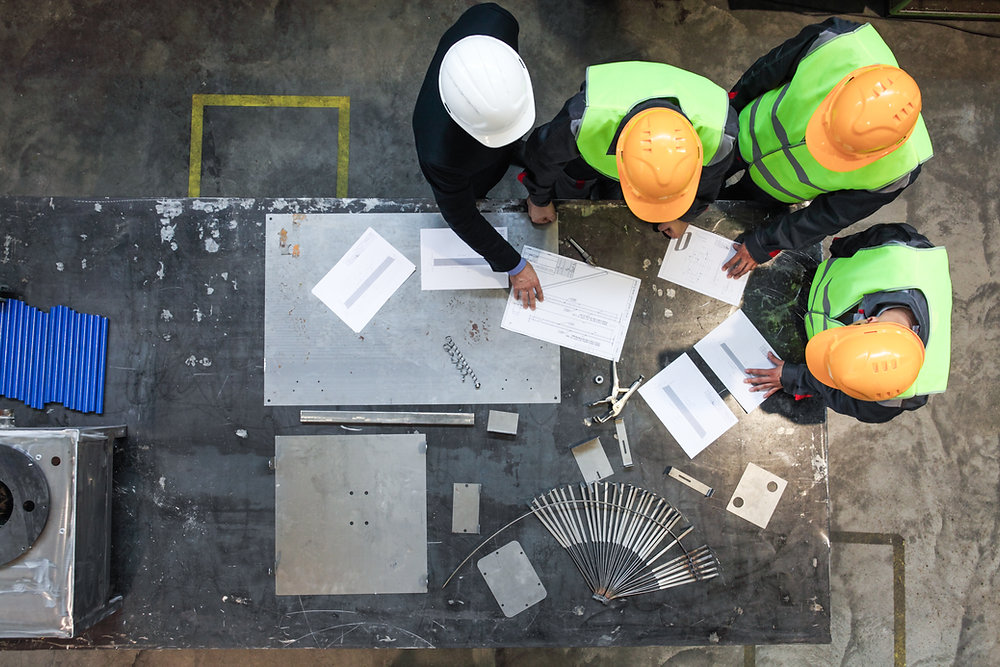
In today's fast-paced construction industry, the accurate and timely management of data is crucial for project success. However, relying on traditional manual data entry methods poses several risks and challenges that can hinder productivity, increase costs, and compromise project outcomes. Moreover, the term 'manual data entry methods' often conjures the misconception that it solely pertains to paper and spreadsheets. However, this oversimplification fails to encompass the scope, as it also encompasses modern software solutions demanding extensive manual updates and lacking a design for seamless automation. In this blog post, we will explore the dangers of manual data entry in construction and why embracing digital automation is the key to unlocking greater efficiency and success. 1. Human Error: The Achilles' Heel of Manual Data Entry Manual data entry is highly susceptible to human error, no matter how experienced the personnel may be. From simple typos to misplacing decimal points, errors in data entry can lead to costly mistakes in project estimates, timelines, and resource allocation. The repercussions of such errors can be far-reaching, resulting in rework, budget overruns, and schedule delays. 2. Time-Consuming and Tedious Construction projects are time-sensitive, and manual data entry can be laborious and time-consuming. The process can often involve physically writing down information, transferring it to spreadsheets or documents, and then cross-referencing and validating the data. This cumbersome approach slows down workflows, leaving little time for analyzing critical project data and making informed decisions. 3. Lack of Real-Time Insights In a rapidly changing construction environment, access to real-time insights is essential for effective decision-making. Manual data entry systems often suffer from lag time, making it challenging for project managers to stay up-to-date with project progress, resource allocation, and budgetary changes. Delayed access to data can result in missed opportunities for course correction and may hinder overall project performance. 4. Inefficient Communication and Collaboration Construction projects involve multiple stakeholders, including architects, engineers, contractors, and subcontractors. Manual data entry can lead to siloed information, making it difficult for different teams to collaborate efficiently. Miscommunication and data discrepancies between teams can cause misunderstandings, project delays, and disputes that impact project success. 5. Limited Data Security Paper-based data entry and physical files are susceptible to loss, theft, or damage due to unforeseen events like accidents or natural disasters. Such incidents can result in irreplaceable data loss and jeopardize the entire project's progress. Moreover, manual data entry offers limited data security, making it susceptible to unauthorized access and tampering. The Solution: Embrace Digital Automation To overcome the dangers posed by manual data entry, construction companies must embrace digital automation solutions. Here are some benefits of adopting construction-specific software automation solutions: Automated Workflows: Construction technology solutions such as Construction Workflow Automation (CWA) can fully automate data entry processes, reducing the chances of human errors and ensuring accurate and up-to-date information is readily available. Real-Time Insights: Cloud-based construction software provides real-time access to project data, enabling stakeholders to make informed decisions promptly. Enhanced Collaboration: Digital platforms promote seamless communication and collaboration among different project teams, fostering better coordination and reducing misunderstandings. Data Security: Cloud-based solutions offer robust data security, ensuring that sensitive information is protected against unauthorized access and potential loss. Time and Cost Savings: Automation of data entry tasks frees up valuable time for construction professionals to focus on more critical aspects of the project, reducing operational costs and increasing overall efficiency. Final Thoughts In conclusion, manual data entry in construction poses numerous dangers, ranging from human errors to communication breakdowns and data security risks. Embracing digital automation by adopting construction-specific software solutions empowers construction companies with streamlined workflows, real-time insights, enhanced collaboration, and improved data security. By leaving behind the pitfalls of manual data entry, the construction industry can forge a path towards success, efficiency, and sustainable growth in an increasingly competitive landscape.
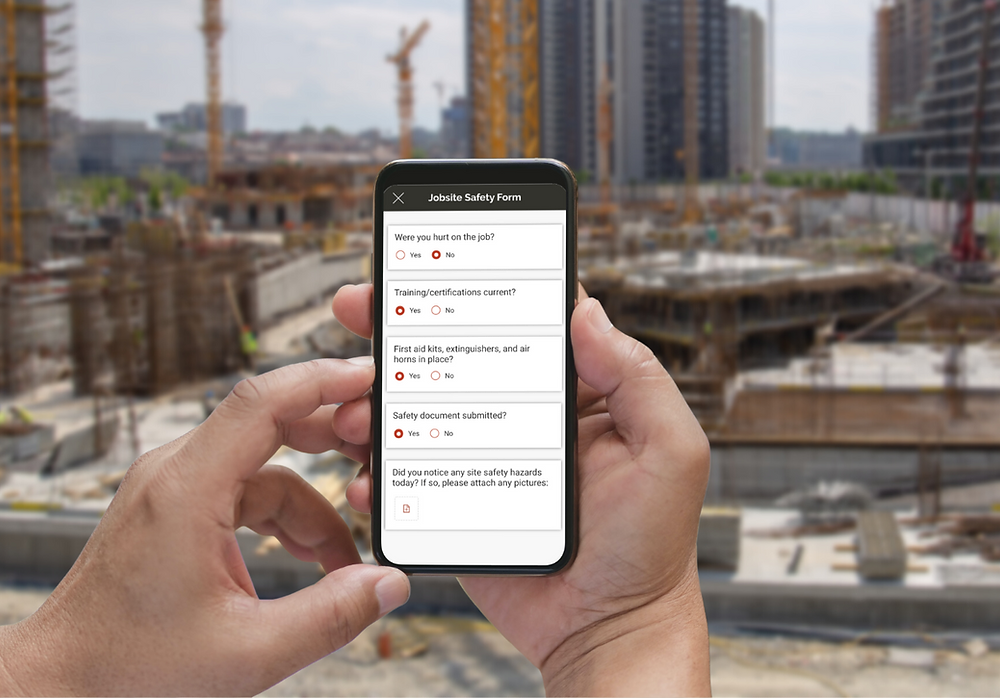
Unleashing Efficiency: OnTraccr's Customizable Construction Workflow Automation Software
In the fast-paced and ever-evolving world of construction management, efficiency, accuracy, and streamlined operations are paramount for success. With advancements in technology, construction contractors have a multitude of project management software options. Among them, Ontraccr stands out as a game-changer in the industry. Offering a highly customizable construction workflow automation software, Ontraccr empowers contractors to revolutionize project management, streamline time tracking, and optimize their operational processes. In this blog post, we will explore the transformative capabilities of Ontraccr and how it addresses the challenges of traditional project management software, delivering exceptional benefits to contractors and compare them to the drawbacks of traditional software in the market. Cons of Traditional Construction Management Software 1. Limited Data Consolidation Traditional project management software may suffer from limited data consolidation capabilities, leading to information silos and hindered decision-making. Without unified data, contractors may struggle to access real-time insights into project progress, expenses, and labor costs, affecting overall project efficiency and profitability. 2. Complex User Interfaces Traditional software may feature complex and rigid user interfaces that are challenging for non-technical team members to navigate. This complexity results in underutilization of the software's capabilities, reduced collaboration, and diminished productivity. 3. Manual Workloads and Errors Many traditional project management solutions rely heavily on manual data entry, leading to time-consuming tasks and potential errors in reports and financial data. Manual workloads impede efficiency and introduce risks that could impact project outcomes. 4. Limited Customization Traditional software may lack the flexibility and customization options that construction companies require to meet diverse compliance standards and client-specific needs. Contractors may find it difficult to tailor reporting and workflows, limiting their ability to deliver personalized services and meet industry regulations. 5. Lack of Scalability As construction companies expand, they may outgrow traditional project management software that lacks scalability. Limited scalability may lead to software constraints, increased administrative overhead, and challenges in accommodating growing project demands. How Ontraccr is Revolutionizing Construction Workflow Management 1. Comprehensive Data Consolidation One of the most significant advantages of Ontraccr is its ability to consolidate tracking data into a unified platform. Unlike traditional project management software that often relies on disparate systems, Ontraccr integrates various aspects of project management, including time tracking, documents, budgets, invoicing, inventory, equipment tracking, service management, CRM, scheduling, and much more. This comprehensive data consolidation provides unparalleled visibility into project progress, labor costs, expenses, and overall business performance. Decision-makers can access real-time insights, make informed choices, and optimize processes for better outcomes. Ontraccr's platform acts as a centralized hub where contractors can effortlessly access crucial information related to their projects. From tracking project timelines and budgets to monitoring resource allocation, all essential data is readily available on the platform's customizable dashboards. This level of data consolidation empowers contractors to stay on top of their projects, quickly identify potential bottlenecks, and make proactive decisions to ensure project success. 2. User-Friendly Configurability Ontraccr boasts an intuitive and user-friendly interface, making it accessible to both technical and non-technical team members within construction companies. Contractors can easily customize the platform to suit their specific workflows, reporting requirements, and unique project needs. The platform's flexibility ensures that contractors can mold Ontraccr to align with their existing processes, rather than having to adapt their workflows to fit the software. For instance, Ontraccr offers fully customizable time tracking workflows, allowing contractors to track employee time in a variety of different ways. This flexibility greatly reduces the learning curve for employees, as they can continue to track their time and report on progress in any manner suitable for them. Moreover, Ontraccr's robust roles and permissions enable contractors to tailor user access levels and editing privileges, ensuring that sensitive data remains secure. This level of configurability is just one example and Ontraccr extends these benefits throughout the different features that it has to offer. 3. Empowering Automation Automation is a critical aspect of Ontraccr's offering, significantly reducing manual workloads for construction companies. Time-consuming tasks such as time tracking, data entry, budget updates, document generation, and report generation are automated, saving valuable time and minimizing the risk of errors. Ontraccr's automation features allow contractors to streamline workflows, improve overall efficiency, and focus on critical aspects of their projects. Ontraccr's powerful automation capabilities extend to various aspects of project management. For instance, contractors can automate the generation of custom documents and workflows, reducing administrative overhead and ensuring consistency in document formats. The platform's automation also extends to time tracking, where contractors can define rules for overtime, union regulations, time rounding, and auto-break settings. This automation ensures that contractors accurately capture employee hours, reducing the burden of manual time tracking and preventing discrepancies in payroll processing. 4. Customization for Compliance and Client-Specific Needs Ontraccr excels in assisting contractors with regulatory compliance and meeting client-specific requirements. The platform's customizable data collection and reporting options ensure adherence to industry regulations and allow for the delivery of personalized services to clients. Contractors can create custom templates for different projects and clients, facilitating seamless compliance and personalized experiences. For example, contractors working on government-funded projects may have specific compliance requirements. Ontraccr allows them to design custom reporting templates that capture the necessary information for regulatory audits and financial reporting. Similarly, for clients with unique invoicing preferences, contractors can create tailored invoices that meet the client's specifications, enhancing client satisfaction and streamlining billing processes. 5. Scalability for Growing Businesses As construction companies grow and expand their operations, they need a project management software that can scale to accommodate evolving needs. Ontraccr's platform is designed with scalability in mind, ensuring it can grow with the demands of construction businesses. Contractors can seamlessly manage larger and more complex projects, allocate resources efficiently, and ensure streamlined operations at every stage of their growth journey. Ontraccr's scalable architecture supports construction companies' continued success and growth. Ontraccr's scalability enables contractors to expand their business without the burden of transitioning to a new project management solution. As the number of projects and team members increases, Ontraccr continues to deliver a seamless and efficient user experience. This scalability is achieved through Ontraccr's cloud-based infrastructure, which ensures that the platform remains adaptable and capable of meeting the evolving needs of construction companies. Conclusion Ontraccr's customizable construction workflow automation software is a transformative tool for construction contractors of all types. With its comprehensive data consolidation, user-friendly configurability, empowering automation, customization options, and scalability, Ontraccr redefines project management in the construction industry. By addressing the limitations of traditional project management software, Ontraccr empowers contractors to achieve unprecedented efficiency and productivity.

6 Ways to Navigate Construction Budgets Like a Pro
Managing construction costs is a critical aspect of any construction project. Cost overruns and budgeting challenges can lead to financial strain, project delays, and compromised quality. Therefore, effective budgeting and cost control are essential to ensure project success. In this comprehensive blog post, we will explore valuable tips and strategies for managing construction costs, from accurate budget estimation to proactive cost control measures. Accurate Budget Estimation The foundation of effective cost management lies in accurate budget estimation. Before commencing a construction project, it is crucial to conduct a detailed analysis of all project components, including materials, labor, equipment, permits, subcontractors, and contingencies. By leveraging historical data, industry benchmarks, and expert insights, construction professionals can develop realistic budgets that align with project requirements. Conduct Regular Cost Reviews Cost reviews should be conducted regularly throughout the project lifecycle. This involves comparing actual costs against the budgeted amounts, identifying any variances, and taking corrective actions as necessary. By monitoring costs closely, construction professionals can detect potential cost overruns early on, allowing them to implement timely adjustments and mitigate financial risks. Implement Effective Cost Control Measures To maintain control over construction costs, it is crucial to implement effective cost control measures. This includes: a. Robust Project Planning Thorough project planning helps identify potential cost-saving opportunities, streamline processes, and optimize resource allocation. By breaking down the project into phases and tasks, construction professionals can identify critical cost drivers and devise strategies to manage them effectively. b. Value Engineering Value engineering involves evaluating project components and processes to identify cost-saving alternatives without compromising quality. This approach encourages creative problem-solving and finding innovative ways to achieve project objectives while minimizing costs. c. Supplier and Subcontractor Management Building strong relationships with reliable suppliers and subcontractors can lead to cost savings. Negotiating favorable pricing, exploring bulk purchase options, and maintaining clear communication channels can help ensure competitive pricing and timely delivery of materials and services. d. Risk Management Conducting thorough risk assessments and implementing risk mitigation strategies is essential to avoid unexpected costs. By identifying potential risks early on, construction professionals can allocate appropriate contingencies in the budget and proactively address potential disruptions. Embrace Technology Leveraging technology can significantly enhance cost management in construction. Construction management software and tools offer features such as real-time budget tracking, expense management, and automated reporting, enabling construction professionals to monitor costs more efficiently and make data-driven decisions. Additionally, Building Information Modeling (BIM) technology helps identify clashes and conflicts during the design phase, reducing costly rework and change orders during construction. Effective Communication and Collaboration Clear and transparent communication among project stakeholders is crucial for effective cost management. Regular progress meetings, sharing budget updates, and addressing concerns promptly can prevent misunderstandings and potential cost escalations. Collaboration platforms and project management software facilitate seamless communication and ensure that all parties are aligned with project objectives and budgetary constraints. Learn from Past Projects Analyzing data and lessons learned from past projects can provide valuable insights for cost management. Identifying recurring cost issues, analyzing their causes, and implementing preventive measures can help construction professionals avoid similar pitfalls in future projects. Continuous improvement based on past experiences is key to enhancing cost control strategies. Final Thoughts Managing construction costs requires a proactive and diligent approach. By implementing accurate budget estimation, conducting regular cost reviews, and embracing effective cost control measures, construction professionals can ensure project profitability, minimize financial risks, and deliver successful projects. Embracing technology, fostering collaboration, and learning from past experiences further enhance cost management efforts. With careful planning, monitoring, and adaptation, construction professionals can navigate the complexities of construction costs and achieve optimal project outcomes while maintaining financial stability.

Why Project Management Software Still Reigns Supreme in Construction Tech
In today's fast-paced and competitive construction industry, efficient project management is the key to success. With numerous moving parts, tight deadlines, and complex workflows, staying organized and maintaining control over projects can be a daunting challenge. That's where project management software comes in. Amidst the influx of cutting-edge technologies such as 3D printing, AI, and AR/VR into the construction industry, a recent industry survey has shed light on a fascinating revelation. Despite the allure of these flashy innovations, construction professionals resoundingly proclaim that project management software remains the ultimate game-changer. In terms of technology investments, its effectiveness stands head and shoulders above the rest. In this blog post, we'll explore why project management software is the most critical technology decision a construction business can make, revolutionizing how projects are planned, executed, and delivered. Streamline Workflows and Enhance Efficiency One of the primary benefits of project management software is its ability to streamline workflows and enhance overall efficiency. By centralizing project data, documents, and communications in a single digital platform, teams can collaborate seamlessly, saving time and eliminating costly errors. From task assignment and progress tracking to document management and scheduling, project management software empowers construction businesses to optimize processes and deliver projects on time and within budget. Real-Time Visibility and Communication Effective communication is the lifeblood of any successful construction project. Project management software provides real-time visibility into project status, allowing team members, stakeholders, and clients to stay informed and aligned at every stage. Instantaneous updates, notifications, and dashboards enable prompt decision-making, issue resolution, and efficient resource allocation. By fostering transparent and open communication channels, project management software enhances collaboration, reduces misunderstandings, and ensures everyone is on the same page. Accurate Cost Control and Budget Management One of the biggest challenges in construction projects is controlling costs and managing budgets effectively. Project management software offers robust features for cost estimation, budget tracking, and expense management. By integrating financial data with project timelines and resource allocation, businesses can accurately monitor expenditures, identify cost overruns, and make informed adjustments. With real-time insights into project finances, construction companies can make proactive decisions to keep projects financially viable and profitable. Risk Mitigation and Document Control Construction projects involve a vast amount of documentation, ranging from contracts and permits to drawings and specifications. Project management software serves as a centralized repository for all project-related documents, ensuring easy access, version control, and secure storage. By organizing and tracking critical documents, businesses can mitigate risks associated with document loss, misplacement, or outdated information. Additionally, project management software allows for enhanced collaboration on documents, facilitating seamless review cycles and reducing delays. Improved Client Satisfaction and Relationships Client satisfaction is the cornerstone of a successful construction business. Project management software plays a pivotal role in delivering exceptional client experiences. Through clear and consistent communication, transparent progress tracking, and timely issue resolution, businesses can foster stronger relationships with clients. The ability to provide real-time project updates, share documentation, and address client concerns promptly enhances trust, credibility, and client satisfaction. Tips for Selecting Project Management Software When it comes to selecting the right project management software for your construction business, making an informed decision is key. With numerous options available in the market, it's crucial to prioritize your business needs and find a software tool that aligns with your specific requirements. Define Your Business Needs Before selecting a project management software tool, clearly outline your business requirements, project complexities, and team collaboration needs. Identify key features and functionalities that align with your specific workflows and project management goals. Scalability and Flexibility Consider the scalability of the software to accommodate your business growth and evolving project demands. Look for a flexible solution that allows customization and integration with other tools or software systems your business relies on. User-Friendly Interface Ease of use is crucial for user adoption and productivity. Ensure the software has an intuitive interface, with clear navigation and accessible features. Conduct demos or trials to evaluate the user experience and gather feedback from potential users within your team. Mobile Compatibility In today's mobile-driven world, having access to project information on the go is essential. Look for project management software with mobile applications or responsive web interfaces that enable remote access and collaboration, regardless of the device being used. Integration Capabilities Check if the software can seamlessly integrate with your existing tools such as accounting software, scheduling applications, or document management systems. Integration eliminates data silos and enhances data accuracy, saving time and reducing manual data entry. Data Security and Privacy Construction projects involve sensitive information, including financial data, contracts, and client details. Ensure that the project management software prioritizes data security through encryption, user access controls, and regular backups. Confirm that the software complies with relevant data protection regulations. Potential Pitfalls to Avoid Overspending on Unnecessary Features While feature-rich software may seem appealing, investing in functionalities that you won't fully utilize can be wasteful. Prioritize the essential features that align with your business needs and budget accordingly. Insufficient Training and Onboarding Transitioning to a new project management software requires proper training and onboarding for your team members. Neglecting this aspect can lead to underutilization of the software's capabilities and hinder the expected benefits. Allocate resources for comprehensive training and ongoing support. Ignoring User Feedback Involve key stakeholders and potential software users in the evaluation and selection process. Their insights and feedback are valuable for understanding specific needs and ensuring successful adoption. Disregarding user feedback may result in dissatisfaction and resistance to change. Neglecting Vendor Support and Updates Assess the vendor's reputation for customer support, software updates, and maintenance. Ensure that they provide timely support, address issues promptly, and release regular updates to enhance software performance and security. Final Thoughts In the digital age, project management software has become an indispensable tool for construction businesses seeking to thrive in a competitive market. With its ability to streamline workflows, enhance communication, control costs, mitigate risks, and improve client satisfaction, project management software empowers businesses to achieve operational excellence and deliver successful projects more than any other category of construction technology can. Embracing this technology decision is no longer optional—it is the foundation for sustainable growth, profitability, and a competitive edge in the construction industry.

Building Together: Embracing Diversity in Construction
The construction industry has long been perceived as a male-dominated field, lacking diversity and inclusion. However, as societal norms evolve and industries strive for equal representation, it is essential to address the need for greater diversity and inclusion within construction. By embracing these principles, the industry can foster innovation, creativity, and ultimately build a stronger and more inclusive future. The Importance of Diversity and Inclusion Diversity encompasses a range of characteristics, including gender, race, ethnicity, age, disability, and LGBTQ+ representation. Inclusion, on the other hand, refers to creating an environment where individuals from diverse backgrounds feel valued, respected, and have equal opportunities for growth and success. Both diversity and inclusion are crucial for a thriving and sustainable construction industry. Here's why: Innovation and Creativity A diverse workforce brings together a variety of perspectives, experiences, and skills. When people from different backgrounds collaborate, innovative ideas and creative solutions emerge. By embracing diversity, construction companies can tap into a wealth of perspectives that can lead to improved problem-solving and enhanced project outcomes. Enhanced Productivity Inclusive work environments foster a sense of belonging and engagement among employees. When individuals feel valued and respected, they are more likely to be motivated, productive, and committed to their work. By promoting inclusion, construction companies can cultivate a positive work culture that attracts and retains top talent. Meeting the Needs of Diverse Communities Construction projects serve a diverse range of communities. By having a workforce that reflects the communities they serve, construction companies can better understand and address the unique needs, preferences, and cultural sensitivities of their clients. This leads to improved customer satisfaction and stronger community relationships. Bridging the Skills Gap The construction industry is facing a significant skills shortage. Embracing diversity and inclusivity can help attract a wider pool of talent, including women, minorities, and individuals from underrepresented groups. By actively recruiting and providing equal opportunities for all, the industry can bridge the skills gap and secure a skilled workforce for the future. Strategies for Embracing Diversity and Inclusion For companies that would like to foster a diverse and inclusive organizational culture, here are some strategies to follow: Recruitment and Retention Construction companies should implement inclusive hiring practices, including actively seeking diverse candidates, establishing partnerships with diverse organizations, and providing equal opportunities for career advancement. Creating mentorship programs and offering ongoing training and development opportunities can help retain diverse talent. Leadership and Representation Encouraging diverse representation at all levels, including in leadership positions, is crucial for fostering an inclusive work environment. Companies should establish diversity and inclusion initiatives, employee resource groups, and ensure that decision-making processes are inclusive and transparent. Training and Education Offering diversity and inclusion training to employees can raise awareness, challenge biases, and promote understanding among team members. It can also help create a culture of respect, empathy, and collaboration. Supplier Diversity Construction companies should seek partnerships with diverse suppliers and subcontractors. By diversifying their supply chain, they contribute to the growth and sustainability of diverse businesses while enhancing their own diversity initiatives. Community Engagement Engaging with local communities and supporting initiatives that promote diversity and inclusion can have a positive impact on the construction industry's reputation. Participating in outreach programs, sponsoring scholarships, and collaborating with community organizations can help build trust and establish meaningful connections. Final Thoughts The construction industry has the opportunity to become a leader in embracing diversity and inclusion. By valuing and respecting individuals from all backgrounds, the industry can drive innovation, attract talent, and create a more equitable and sustainable future. Together, let's build a construction industry that reflects the diversity of the world we live in and lays a foundation for a stronger and more inclusive tomorrow!

Can VR/AR Technology Revolutionize Construction?
Virtual Reality (VR) and Augmented Reality (AR) technologies have made significant advancements in recent years, revolutionizing various industries, including construction. These immersive technologies have the potential to transform the way construction projects are planned, designed, visualized, and executed. In this blog post, we will delve into the applications of VR and AR in the construction industry and shed light on important considerations for their adoption. But before we do that, let's start with a basic understanding of what VR and AR are all about and how they work. What is Virtual Reality? Virtual Reality (VR) is a technology that creates a simulated, immersive environment or experience. It uses computer-generated graphics, audio, and sometimes haptic feedback to simulate a realistic three-dimensional environment that can be explored and interacted with by the user. To achieve this, VR typically relies on headsets or goggles that users wear, which track their head movements and adjust the virtual environment accordingly. This creates a sense of presence, making users feel as though they are truly present within the virtual world. VR can be used for various purposes, including entertainment, training, education, and design visualization. What is Augmented Reality? Augmented Reality (AR) is a technology that overlays digital information and virtual objects onto the real world. Unlike VR, which immerses users in a completely virtual environment, AR enhances the real world by adding virtual elements to it. AR can be experienced through devices like smartphones, tablets, or dedicated AR glasses, which use cameras and sensors to perceive the real world and overlay digital content onto it in real-time. This allows users to see and interact with virtual objects, information, or graphics that appear as if they are part of their physical surroundings. AR has a wide range of applications, from gaming and entertainment to education, remote collaboration, and interactive design. It enhances the user's perception and understanding of the real world by supplementing it with relevant and contextual digital content. Applications of VR/AR in Construction Now that we know what VR and AR are all about, let's dive into how they can impact the construction industry across various applications. Virtual Design and Visualization VR and AR technologies enable architects, engineers, and construction professionals to create virtual 3D models of buildings and infrastructure. By immersing themselves in a virtual environment, stakeholders can better understand spatial relationships, identify design flaws, and explore alternative solutions. VR and AR visualization tools facilitate effective communication, allowing clients to visualize the final product before construction even begins. Enhanced Safety Training and Simulation VR and AR offer a unique opportunity for construction companies to enhance safety training programs. Immersive simulations can recreate hazardous scenarios and provide hands-on training experiences without exposing workers to real-life risks. Construction workers can practice safety procedures, equipment operation, and emergency response in a controlled virtual environment, promoting safer practices on-site. On-Site Construction Support AR applications can provide on-site construction support by overlaying digital information onto the real world. Construction workers equipped with AR devices can view real-time data, such as building plans, equipment specifications, and safety instructions, directly in their field of view. This technology improves accuracy, reduces errors, and enhances productivity by offering real-time guidance and information. Remote Collaboration and Project Management VR and AR facilitate remote collaboration among project stakeholders, regardless of their physical locations. With virtual meeting rooms and shared immersive environments, architects, engineers, clients, and contractors can collaborate on project designs, make real-time modifications, and resolve issues efficiently. Additionally, project managers can use AR to track progress, monitor schedules, and overlay digital information on physical structures for quality control. Considerations and Warnings for Adoption As exciting as these technologies are, there are still a number of important considerations and hurdles to overcome in order for them to become truly successful across the construction industry. Cost and Implementation Challenges Implementing VR and AR technologies requires an initial investment in hardware, software, and training. Construction companies need to carefully assess their budget, infrastructure readiness, and technological capabilities before embarking on adoption. Additionally, integrating these technologies into existing workflows and processes may pose challenges, requiring careful planning and change management. Data Security and Privacy As with any digital technology, data security and privacy should be a primary concern. VR and AR applications often require the collection and storage of sensitive project data. Construction companies must implement robust security measures, encrypted connections, and strict access controls to safeguard this information from unauthorized access or potential breaches. Training and Skill Development Introducing VR and AR technologies to construction teams necessitates proper training and skill development. Employees must familiarize themselves with the hardware, software, and user interfaces to leverage the full potential of these tools. Investing in comprehensive training programs and providing ongoing support is crucial to ensure a smooth transition and maximize the benefits of these technologies. Balancing Real-world and Virtual Environments While VR and AR provide immersive experiences, it is important to strike a balance between virtual and real-world interactions. Over-reliance on virtual simulations may inadvertently detach workers from the actual construction site, potentially compromising on-site safety and problem-solving skills. Maintaining a healthy equilibrium between virtual and physical experiences is key to successful adoption. Final Thoughts Virtual Reality and Augmented Reality offer tremendous potential for the construction industry, enhancing design visualization, safety training, on-site support, and remote collaboration. However, construction companies must carefully consider the associated costs, implementation challenges, data security, training requirements, and maintaining a balance between virtual and real-world environments. By embracing these technologies mindfully, construction firms can unlock new opportunities for innovation, efficiency, and improved project outcomes. But remember, successful adoption of VR and AR in construction requires careful planning, evaluation, and ongoing assessment to ensure the best fit for each organization's unique needs and goals.
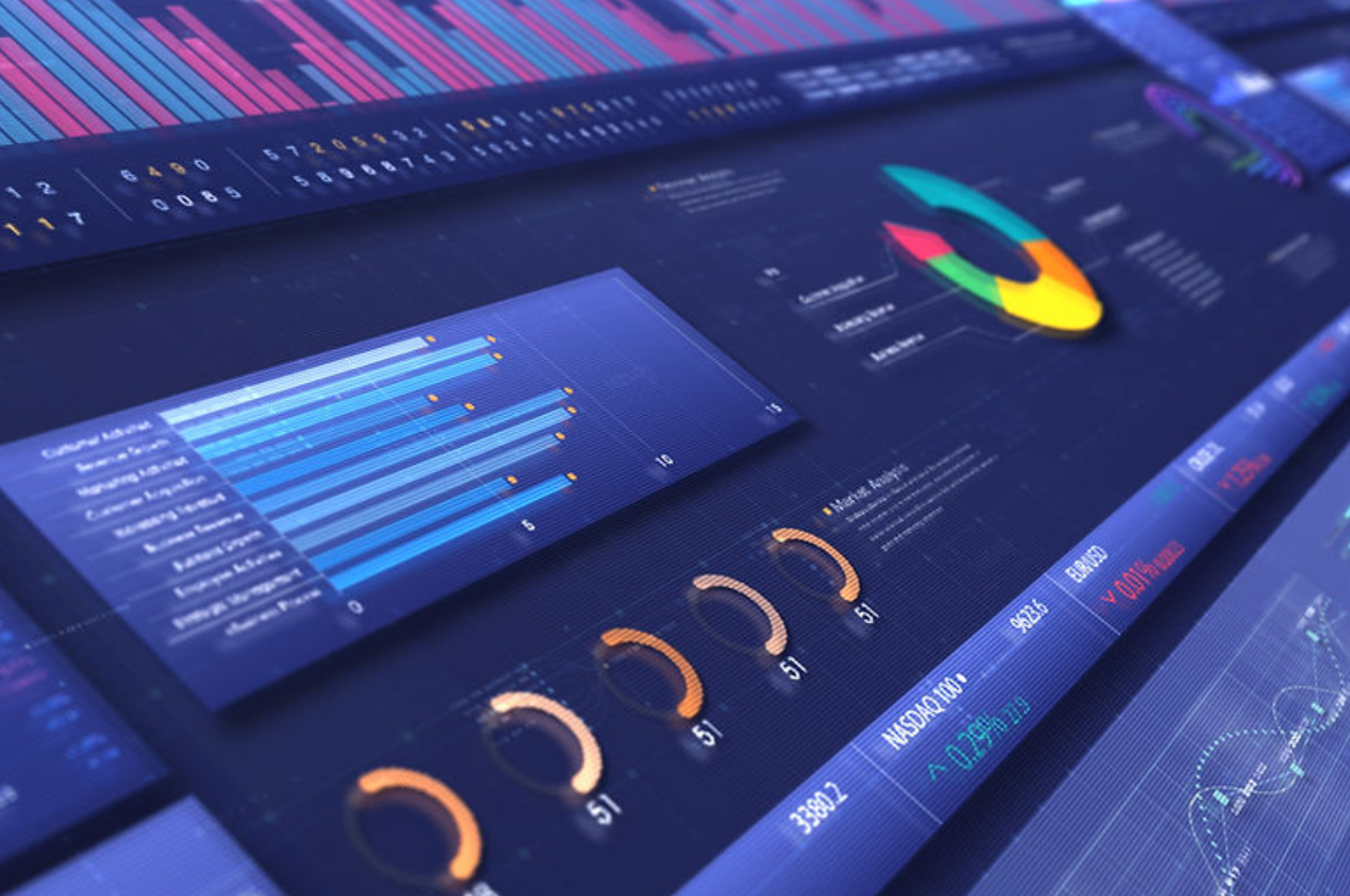
Supercharge Your Construction Business with Metric-Driven 'Smart' Tracking Boards
In the construction industry, tracking and analyzing various metrics is essential for the success of any business. From project stages to financial performance, monitoring key metrics provides valuable insights for decision-making and overall business growth. This article explores the importance of tracking metrics in construction businesses and how utilizing a software like OnTraccr, a comprehensive construction workflow software, offers specific 'smart' tracking board features to streamline this process. Importance of Tracking Metrics in Construction Tracking metrics is crucial for construction businesses to understand their performance, identify areas for improvement, and make informed decisions. By monitoring various aspects of their operations, contractors can: 1. Measure Project Efficiency: Tracking project flow from stages like Awaiting Bid, Estimating, Estimate Complete, Lost, Won, Active Project, Warranty, and Expired Warranty allows contractors to analyze their project pipeline, identify bottlenecks, and improve overall project efficiency. 2. Assess Financial Performance: Monitoring financial metrics such as revenue, costs, profit margins, and cash flow provides a clear picture of the company's financial health. This information enables contractors to make informed financial decisions, control costs, and ensure profitability. 3. Evaluate Client Relationships: With a CRM-like feature, contractors can effectively manage client relationships throughout the project lifecycle. By tracking client interactions, communication history, and client satisfaction metrics, businesses can identify areas for improvement, nurture client relationships, and enhance customer retention. 4. Optimize Resource Allocation: Tracking resource utilization, labor productivity, and equipment efficiency helps contractors identify areas of resource optimization. This enables them to allocate resources effectively, reduce waste, and enhance productivity. How Can a CRM System Automate Metric Reporting? Construction Workflow Automation (CWA) software like Ontraccr offers a comprehensive CRM feature that enables contractors to manage client relationships and track project flow seamlessly. With customizable project stages, contractors can tailor their workflow to match their specific processes and easily visualize the stages that each project within the company are currently at. For example, a project flow can be divided into stages such as Awaiting Bid, Estimating, Estimate Complete, Lost, Won, Active Project, Warranty, and Expired Warranty. Contractors can then easily visualize the progress of each project, identify bottlenecks, and take necessary actions to ensure timely completion. By using advanced automations that Ontraccr provides, users can also automate the creation of specific tasks based on the stages that are created within their tracking board. This allows contractors to fully embed and automate their business practices so that every project is managed with the same attention to detail. Adding to this functionality, contractors can also store and manage project/client information, communication history, and important documents in a centralized system. This streamlines client relationship & project management and ensures that all team members have access to up-to-date information, fostering effective collaboration and communication. Finally, through the use of the Analytics engine, Ontraccr's Boards feature allows contractors to monitor the duration of each project stage, identify areas of delay, and implement strategies for improvement. By having a clear overview of the project flow, contractors can make data-driven decisions, optimize their processes, and increase overall project efficiency. Utilizing a Custom Analytics Engine In addition to project flow tracking, Ontraccr offers a powerful custom analytics engine that empowers contractors to track and analyze various metrics critical to their business. This analytics engine allows for the creation of customized reports and dashboards, providing real-time insights into key performance indicators (KPIs). Contractors can configure the analytics engine to track metrics such as revenue, costs, profit margins, cash flow, project duration, labor productivity, resource utilization, and more. By automating the data collection process, contractors can save time and reduce errors associated with manual data entry. The analytics engine compiles the data into visually appealing reports and dashboards, presenting a holistic view of the business's performance. With Ontraccr's analytics engine, contractors can set up alerts and notifications for specific metrics. For example, they can receive notifications when a project exceeds the estimated duration or when the profit margin falls below a certain threshold. These proactive alerts enable timely interventions and corrective actions, preventing potential issues from escalating. Furthermore, Ontraccr's analytics engine facilitates data-driven decision-making. Contractors can compare historical data, identify trends, and forecast future performance based on reports that allow companies to easily visualize the information in a custom dashboard. This helps them make informed strategic decisions, adjust resource allocation, refine project estimates, streamline and eliminate bottlenecks, and ensure profitability. Final Thoughts Whether you're just starting out or well on your way to building an empire, tracking metrics is essential for running a thriving construction business. That's where Ontraccr's construction workflow software steps in, offering an array of user-friendly features. From CRM functionality to project flow tracking and a custom analytics engine, Ontraccr empowers contractors to streamline and automate their business practices. With Ontraccr at your side, you'll witness improved project efficiency, optimized resource allocation, strengthened client relationships, and more informed decision-making. No longer will you be left in the dark when it comes to business insights. Ontraccr's software opens doors to invaluable data that drives growth and propels your construction business to new heights in today's competitive industry. So, seize the opportunity to unlock your construction success—get Ontraccr and let your metrics tell the story of your triumphs.

3 Ways Contractors Can Impress Clients with Software
In today's digital age, construction companies have an opportunity to leverage software technology to not only streamline their operations but also impress clients and enhance the strength of their brand. By embracing the right software solutions, construction firms can showcase efficiency, professionalism, and a commitment to excellence. In this blog post, we'll explore some valuable tips on how construction companies can leverage software technology to leave a lasting impression on clients and solidify their brand reputation. The Essentials No matter the type or size of your construction contracting business, the following expert tips will elevate you above the crowded market, leaving a lasting impression on both prospective and existing clients. 1. Invest in Project Management Software Implementing robust project management software can enhance your company's organization, communication, and overall project efficiency. Choose a solution that offers features such as task scheduling, budget tracking, document management, and real-time collaboration. By providing clients with transparency, timely updates, and seamless project coordination, you demonstrate professionalism and build trust. Cautionary Note: Each construction business has its unique operational nuances, so exercise caution when selecting a software solution that imposes rigid, one-size-fits-all constraints on your workflow. While such inflexible solutions might suit others, it doesn't guarantee they'll align seamlessly with your team and operations. Remember, your team knows your business inside out. Opt for a highly customizable solution that empowers you to tailor it to your specific needs, avoiding any potential disruptions that could hinder your operations adversely. 2. Utilize Mobile Apps for On-Site Management Equip your team with mobile apps tailored for construction site management. These apps can streamline processes such as time tracking, daily reporting, punch lists, and safety inspections. Real-time access to project data and the ability to address issues promptly will impress clients with your organization, responsiveness, and commitment to quality. 3. Implement Customer Relationship Management (CRM) Software A CRM software solution helps you manage client relationships, track interactions, and streamline communication. It enables you to provide personalized and attentive service, ensuring that clients feel valued throughout the project lifecycle. By demonstrating your dedication to customer satisfaction and proactive communication, you can strengthen client relationships and foster long-term loyalty. Bonus: Find a CRM solution equipped with a cutting-edge 'Client Portal' feature, empowering you to provide clients with access to a personalized, real-time dashboard. With a custom-branded interface, they'll be able to stay updated on project progress and communicate directly with your team! Not only will this cut down on all the back and forth phone calls, emails, and messages, but this will also leave them absolutely amazed. Discover the trifecta of these essential elements bundled into a single comprehensive package through a cutting-edge Construction Workflow Automation (CWA) platform. Unleash the power of CWA, a revolutionary new construction software technology that seamlessly integrates a highly adaptable project management system, streamlined field tracking capabilities, and a robust CRM solution. Experience the convenience of accessing all these features within a user-friendly interface, providing an all-in-one solution that simplifies and enhances your construction operations. Bonus Points With the essentials in place, certain kinds of contractors might also be interested in some of the following advanced software capabilities to wow clients. 3D Visualization and Virtual Reality (VR) Use 3D visualization and virtual reality (VR) technologies to provide clients with immersive experiences that showcase your designs and concepts. By enabling clients to virtually walk through a building or visualize architectural renderings, you can effectively communicate your vision and increase client engagement. This cutting-edge technology not only impresses clients but also demonstrates your commitment to innovation. Building Information Modeling (BIM) Adopting Building Information Modeling (BIM) software allows you to create intelligent 3D models that integrate design, construction, and project management data. BIM enables efficient collaboration, clash detection, and accurate cost estimation. By leveraging BIM, you can demonstrate your expertise in construction technology, improve project outcomes, and enhance your brand's reputation for accuracy and precision. Final Thoughts Incorporating software technology into your construction operations can be a game-changer for impressing clients and enhancing the strength of your brand. From efficient project management to proactive communication and immersive visualizations, leveraging software solutions showcases your professionalism, innovation, and commitment to client satisfaction. By embracing these tips and staying ahead of the curve in the ever-evolving technological landscape, your construction company can establish itself as a leader, leaving a lasting impression on clients and building a strong and reputable brand.

Building Better with Advanced Building Materials: Tips and Trends
The construction industry has always been known for innovation and the use of cutting-edge technology. In recent years, there has been a growing interest in advanced building materials that can offer improved performance, sustainability, and cost-effectiveness. In this article, we'll take a closer look at some of the top advanced building materials that are trending across the construction industry in 2023 and share some strategies on how contractors can start incorporating such advanced materials into their projects today. Trending Advanced Building Materials 1. Cross-Laminated Timber (CLT) Cross-laminated timber (CLT) is a wood panel product that is rapidly gaining popularity as an alternative to concrete and steel in construction. CLT is made by laminating layers of wood at right angles to one another, creating a strong and rigid panel that can be used for walls, floors, and roofs. The material is lightweight, renewable, and can be prefabricated off-site, reducing construction time and waste. 2. Carbon Fiber Reinforced Polymer (CFRP) Carbon fiber reinforced polymer (CFRP) is a composite material made of carbon fibers and a polymer matrix. It is known for its high strength-to-weight ratio, making it an ideal material for structural reinforcement and seismic retrofitting. CFRP can be used to strengthen concrete and steel structures, and it can also be used to create lightweight and durable bridge decks, beams, and columns. 3. Insulated Concrete Forms (ICF) Insulated concrete forms (ICF) are a type of formwork used to cast reinforced concrete walls. They consist of rigid foam insulation panels that are assembled into a formwork and filled with concrete. ICFs offer excellent thermal insulation, soundproofing, and durability, and they can be used for walls, floors, and roofs. The material is also fire-resistant, mold-resistant, and insect-resistant. 4. Self-Healing Concrete Self-healing concrete is a type of concrete that can repair its own cracks and damage. It works by incorporating capsules of healing agents, such as bacteria or polymers, into the concrete mix. When a crack appears, the capsules rupture, releasing the healing agents to repair the damage. Self-healing concrete can improve the durability and lifespan of concrete structures and reduce maintenance costs. 5. Transparent Wood Transparent wood is a material made by removing the lignin from wood, leaving behind the cell structure. The resulting material is transparent, strong, and lightweight, and it can be used for windows, solar cells, and building facades. Transparent wood is also a renewable and sustainable material, making it an attractive option for eco-friendly construction. 6. Aerogel Insulation Aerogel insulation is a highly effective insulation material that consists of a solid network of silica particles with air pockets between them. It is known for its extremely low thermal conductivity, making it an excellent choice for insulating buildings and industrial processes. Aerogel insulation is also lightweight, fire-resistant, and environmentally friendly. How to Start Incorporating Advanced Building Materials into Your Projects More and more companies are looking to incorporate advanced building materials into their projects today. These materials offer a wide range of benefits, from increased durability and energy efficiency to improved sustainability and aesthetics. However, getting started with these materials can be daunting for many construction companies, especially those with little to no experience working with them. Here are some suggestions and tips for construction companies looking to experiment with advanced building materials on their projects: Research and educate yourself Before diving into any new materials, it's essential to do your research and educate yourself on the benefits, drawbacks, and best practices for using them. Read up on industry publications, attend conferences and seminars, and connect with experts in the field. The more you know, the more confident and competent you'll be when it's time to incorporate these materials into your projects. Start small Don't feel like you need to use advanced materials on every project. Instead, start small by incorporating them into a single project or a specific area of a project. This allows you to test the materials and get a feel for how they perform without committing to a massive investment. Partner with experts Consider partnering with experts who have experience working with advanced materials. This can include architects, engineers, and specialty contractors who can offer guidance and advice on the best materials for your specific project needs. Collaborate with suppliers Suppliers are a valuable resource when it comes to experimenting with new materials. They can provide guidance on installation techniques, recommend the best products for your needs, and offer training and support for your team. Invest in training Investing in training for your team is crucial when working with advanced building materials. Make sure your employees understand how to work with these materials safely and efficiently, and provide ongoing education and support to ensure their skills remain up to date. Monitor and evaluate performance As with any new technology or material, it's essential to monitor and evaluate its performance regularly. Set up systems to track performance and gather data to help inform future decisions about using these materials on future projects. Incorporating advanced building materials into construction projects can be a significant investment, but the benefits can be well worth it. By taking the time to research, educate yourself, and start small, you can build the expertise and confidence needed to make the most of these materials on your projects. Final Thoughts Advanced building materials offer a range of benefits, including improved performance, sustainability, and cost-effectiveness. They can also help to reduce the environmental impact of construction and improve the safety and comfort of buildings. As the construction industry continues to innovate and evolve, we will see more advanced building materials being developed and used in construction projects around the world.

From Good to Great: Using Metrics to Achieve Continuous Improvement in Construction
The construction industry is constantly evolving, and in order to remain competitive, construction companies must continuously strive for improvement. One way to achieve this is through performance measurement and reporting. Performance measurement and reporting involves collecting and analyzing data on various aspects of a construction project, such as safety, quality, cost, and schedule. This data is then used to identify areas of improvement, set targets, and monitor progress. Benefits of Performance Measurement and Reporting Performance measurement and reporting can provide a number of benefits to construction companies. Firstly, it can help to identify areas of improvement and set targets for improvement. By tracking performance data, companies can identify where they are falling short and set targets for improvement. This can help to drive continuous improvement and ensure that the company is always striving to do better. Performance measurement and reporting can also help to improve safety on construction sites. By tracking safety data, companies can identify where safety incidents are occurring and take steps to prevent them from happening in the future. This can help to create a safer work environment for employees and reduce the risk of accidents and injuries. Additionally, performance measurement can even help to improve the quality of construction projects. By tracking quality data, companies can identify where defects are occurring and take steps to prevent them from happening in the future. This can help to ensure that projects are completed to a high standard and meet client expectations. Lastly, companies can improve project delivery by properly measuring performance. By tracking data on cost and schedule, companies can identify where projects are falling behind and take steps to get them back on track. This can help to ensure that projects are completed on time and within budget. Steps for Implementing Performance Measurement and Reporting Implementing performance measurement and reporting in a construction company requires a systematic approach. The following steps can be taken to implement a successful performance measurement strategy: 1. Identify key performance indicators (KPIs) Identify the KPIs that are most important to your construction company, such as safety, quality, cost, and schedule. 2. Collect data Collect data on the identified KPIs. This data can be collected through a variety of methods, such as surveys, inspections, and audits. 3. Analyze data Analyze the data collected to identify areas of improvement and set targets for improvement. 4. Develop an action plan Develop an action plan for addressing the areas of improvement identified through data analysis. 5. Implement the action plan Implement the action plan and track progress. 6. Monitor and evaluate performance Monitor and evaluate performance regularly to ensure that progress is being made towards the identified targets. Challenges of Performance Measurement and Reporting While performance measurement and reporting can provide many benefits to construction companies, there are also some challenges to be aware of. One of the biggest challenges is collecting accurate data. Data collection can be time-consuming and labor-intensive, and it can be difficult to ensure that the data collected is accurate and reliable. Another challenge is analyzing the data. Data analysis requires specialized skills and knowledge, and it can be difficult to identify patterns and trends in the data. This is why it's important to leverage a modern construction management platform to both collect and analyze data across various parts of your construction operation. Whichever tool you choose, it should be great at not just capturing data in various forms, but also presenting the data back to managers in an actionable manner. For example, a highly configurable Construction Workflow Automation (CWA) platform like Ontraccr can let you customize exactly how your teams should be capturing data across the field to the office, while also allowing managers to build custom data dashboards to view key insights in real-time. Implementing performance measurement and reporting can be a challenge in itself. It requires a cultural shift within the company and a commitment to continuous improvement, but the process becomes a lot easier by making use of the right software tool. Final Thoughts Performance measurement and reporting can provide a powerful tool for driving continuous improvement in construction companies. By collecting and analyzing data on various aspects of construction projects, companies can identify areas of improvement, set targets, and monitor progress. However, implementing performance measurement and reporting requires a systematic approach and a commitment to continuous improvement. While there are challenges to be aware of, the benefits of performance measurement and reporting are clear. By continuously striving for improvement, construction companies can remain competitive and ensure that they are delivering high-quality projects on time and within budget.

Balancing the Past and Present: The Challenges of Restoration Construction
Restoration-style construction projects present a unique set of challenges for contractors all over the world. Typically, these projects require a high level of attention to detail and expertise in historical preservation guidelines, as well as the ability to incorporate modern materials and techniques while maintaining the historical integrity of the building. Despite the challenges, restoration-style construction can be a rewarding experience for both contractors and the community, as it helps to preserve important pieces of history. In this article, we will explore some of the common problems faced in restoration-style construction projects and provide tips on how to overcome them. Common Problems 1. Limited access and space on the worksite. Restoration projects often involve working in cramped spaces with limited access. This can make it challenging to move materials, tools, and equipment around the site. In addition, working in an occupied building can also pose challenges, as the contractor may have to work around the occupants and avoid disruption to their daily activities. 2. Strict preservation guidelines that must be followed. When working on historic structures, it is important to follow strict preservation guidelines to maintain the integrity and authenticity of the building. This can make it difficult to introduce modern materials and techniques while still preserving the original structure. Failure to comply with these guidelines can lead to legal and financial consequences, as well as damage to the building. 3. Hidden damage that can be costly to repair. Many restoration projects involve repairing damage that is not immediately visible, such as hidden water damage or structural issues. These types of repairs can be time-consuming, expensive, ultimately causing delays in the construction process. 4. Difficulties in managing and tracking materials, tools, and equipment. Restoration projects often require a large amount of materials, tools, and equipment to be managed and tracked. Keeping track of inventory, ordering materials, and managing the logistics of moving these items around the worksite can be challenging and time-consuming. 5. Maintaining accurate documentation and staying on top of changes and issues that arise during the construction process. In restoration projects, changes and issues can arise frequently, and it is essential to maintain accurate documentation of these changes to ensure that the project stays on track. Failure to document changes can result in confusion, delays, and additional costs. Tips 1. Use a software solution that allows you to automate your workflows. Implementing a construction management software solution can help automate tedious and time-consuming tasks such as tracking materials, equipment, and labor costs. This not only saves time, but also reduces the risk of errors in your data. You can easily generate purchase orders and invoices, and keep accurate records of changes and issues that arise during the construction process. Whichever solution you choose, make sure that it is highly customizable and that you can tailor it around your unique needs so that you can maximize efficiencies for your team. 2. Use a central location for all project data. Using a construction management software solution that provides a central location for all project data, including drawings, specifications, contracts, and documentation, ensures that everyone involved in the project has access to the most up-to-date information. This makes it easier to track all changes and issues in a timely manner, and can help reduce confusion and miscommunication between team members. 3. Utilize mobile apps to track materials and equipment. Using a mobile app to track materials and equipment can help you stay on top of your inventory and receive alerts when items are running low or need to be reordered. You can also keep track of tools and equipment by using QR codes or other tracking methods. This helps to ensure that you always have the necessary items on hand, and reduces the risk of delays due to missing or lost equipment. 4. Use 3D modelling to help plan and visualize the construction process. Using 3D modelling can help you identify potential challenges and solutions before arriving on the worksite. This not only helps to save time, but can also reduce the risk of errors and miscommunication. By overlaying virtual models onto the worksite, you can ensure accuracy and efficiency in the construction process. 5. Implement a system for tracking changes and issues. In restoration-style construction, changes and issues can arise frequently, and it is essential to maintain accurate documentation of these changes to ensure that the project stays on track. This can be done by implementing a system for tracking changes and issues. This system should include a process for documenting and reporting changes, as well as a way to track the status of these changes. Using a construction management software solution like Ontraccr can help automate this process, ensuring that all changes are recorded and communicated to the appropriate team members automatically. 6. Collaborate with historical preservation organizations. Working with historical preservation organizations can be a valuable resource for restoration projects. These organizations can provide guidance and expertise on how to preserve historic structures while incorporating modern materials and techniques. In addition, they can offer access to historical archives and other resources that can help inform the restoration process. 7. Hire experienced contractors and craftsmen. Restoration-style construction requires a high level of expertise and attention to detail. It is important to hire contractors and craftsmen who have experience working on historic structures and who are knowledgeable about preservation guidelines. These professionals can help ensure that the restoration process is done correctly and that the building maintains its historical integrity. 8. Establish clear communication and expectations with the project team. Clear communication and expectations are essential for successful restoration-style construction projects. It is important to establish clear lines of communication with the project team, including architects, engineers, contractors, and subcontractors. Regular meetings should be held to discuss project status, changes, and issues. It is also important to establish clear expectations for timelines, budgets, and quality standards. 9. Budget for contingencies. Restoration-style construction projects can be unpredictable, with hidden damage and unforeseen issues that can arise during the construction process. Therefore, it is essential to budget for contingencies and to have a plan in place for addressing unexpected issues. This will help ensure that the project stays on track and within budget. 10. Prioritize safety. Safety should always be a top priority in construction projects, but it is especially important in restoration-style construction where buildings may have unique hazards such as lead paint or asbestos. It is important to establish clear safety protocols and to provide appropriate training and protective equipment to all workers. Regular safety inspections should also be conducted to identify and address potential hazards. Final Thoughts In conclusion, restoration-style construction is a challenging but rewarding process that requires a high level of expertise, attention to detail, and collaboration with historical preservation organizations. By implementing the tips outlined in this article, contractors can overcome common challenges and successfully complete restoration projects while staying organized and profitable. To further mitigate the risks of restoration construction and streamline your workflows, consider using a construction management software solution like Ontraccr. With Ontraccr, you can automate your workflows, track changes and issues, and collaborate with your project team, all in one centralized platform.

Silent but Essential: The Vital Role of Sound in Construction
When it comes to construction, sound is often considered a necessary evil. The constant noise of heavy machinery, power tools, and construction work can be deafening, leading to potential safety hazards and negative health effects for workers. However, what many people fail to realize is that sound can actually play a positive role in construction when used properly. In this article, we'll explore the role of sound in construction and how acoustics can improve the safety, productivity, and well-being of workers. First and foremost, sound plays a crucial role in ensuring the safety of construction workers. By using sound alerts, workers can be warned of potential dangers on the job site. For example, backup alarms on heavy machinery can alert workers that a vehicle is about to start moving, preventing accidents and injuries. Similarly, warning sirens and alarms can alert workers to evacuate the job site in case of an emergency or potential danger, such as a gas leak or fire. In addition to safety, sound can also improve the productivity of construction workers. By utilizing acoustic design in job site layouts, sound can be optimized to reduce distractions and create a more focused work environment. This can lead to fewer errors, faster work completion times, and an overall improvement in job site efficiency. Moreover, the well-being of construction workers can also be improved through the use of acoustics. Studies have shown that exposure to high levels of noise can lead to hearing loss, stress, and even physical illness. By implementing sound-absorbing materials, noise-cancelling technology, and other acoustic measures, construction companies can reduce the negative effects of noise exposure and create a healthier work environment for their employees. Another way that sound can play a positive role in construction is through the use of soundscapes. Soundscapes refer to the overall acoustic environment of a space and can be designed to create a more pleasant and calming atmosphere for workers. This can lead to reduced stress levels, improved mental health, and an overall increase in job satisfaction. The role of sound in construction extends beyond just the job site. Buildings and structures themselves can also benefit from acoustic design. By incorporating sound-absorbing materials, acoustic diffusers, and other acoustic measures, buildings can be designed to reduce noise pollution and create a more comfortable and pleasant living or working environment for occupants. In addition to the impact on workers, sound and acoustics also play a critical role in the overall success of a construction project. Poor acoustics can lead to issues with communication and coordination, which can ultimately result in costly mistakes and delays. However, with careful consideration and planning, construction companies can optimize acoustics to ensure a more efficient and productive worksite. Another way to improve acoustics on a construction site is through the use of sound masking technology. This involves the use of special speakers that emit white noise or other background sounds to help drown out loud noises and create a more comfortable work environment. This can be particularly useful in areas with high levels of ambient noise, such as busy roadways or construction sites near airports. Final Thoughts Sound is a crucial aspect of construction that should not be overlooked. By utilizing the principles of acoustics, construction companies can improve the safety, productivity, and well-being of their workers, as well as create more comfortable and pleasant living and working spaces for occupants. As the construction industry continues to evolve, it is important to consider the role of sound in all aspects of the building process, from job site safety to building design.

Construction Software Implementation: A Comprehensive Guide to Successful Onboarding
Integrating new software into a construction company can be a daunting task, even for the most seasoned professionals. As an expert in the field, I've seen many construction companies struggle to onboard new software due to a variety of challenges. These challenges can range from resistance to change from employees, to difficulty in understanding how to use the new software or platform. In addition, some companies may face challenges with customization (or lack thereof), compatibility, and even difficulty with knowing where and how to start. Despite these challenges, it's crucial to keep up with the latest technology trends and integrate new software to stay competitive in the industry. With proper planning and guidance, onboarding new software can be a smooth process that leads to improved efficiency, streamlined workflows, and ultimately, increased profitability. In this article, I will discuss the crucial steps that all construction companies should take in order to ensure a successful onboarding of a new software platform. By following these steps, you can streamline the onboarding process, reduce resistance to change, and ensure that all employees are comfortable using the new software platform. Additionally, I will discuss the benefits of choosing a customizable solution like OnTraccr, which focuses on workflow automations, and how it can help construction companies achieve greater efficiency and productivity. By the end of this post, you'll have a clear understanding of how to successfully onboard a new software platform into your construction business. Step 1: Identify and Define the Goals The first step in successfully onboarding a construction company onto a new software platform is to identify and define the goals of the software implementation. This step is critical because it sets the foundation for the entire process and helps ensure that everyone is working towards the same objectives. When identifying goals, it's important to consider what workflows your company is trying to automate or make more efficient. This means taking a close look at your current processes and identifying areas where software can help. For example, if your company spends a lot of time manually entering data into spreadsheets, then automating data entry may be a top priority. Alternatively, if your company struggles with project management, then a software platform with project management tools may be more important. Defining the goals of the software implementation helps to prioritize what needs to be onboarded first. By focusing on the most critical workflows first, you can streamline the onboarding process and reduce resistance to change from employees. It also helps to avoid overwhelming employees with too many changes at once. Choosing a customizable solution like OnTraccr can be especially helpful in this step. With OnTraccr's workflow automation features, you can identify the exact workflows that need to be automated and fully customize the software to meet your specific needs. This can save you time and increase efficiency in the long run. Step 2: Select the Right Software Platform When selecting a construction platform, there are several important factors to consider. Customizability is crucial because every construction company has unique needs, and a customizable software platform can be tailored to meet those specific needs. This means that the software can be customized to match the company's branding, as well as to automate specific workflows and processes. Additionally, a construction platform should have robust workflow management tools that help streamline processes, reduce errors, and improve overall efficiency. Another key factor to consider when selecting a construction platform is scalability. As your business grows and changes, your software needs may change as well. It's important to choose a platform that can grow with your business, whether that means adding new features or expanding to new areas of the construction industry. This ensures that you won't outgrow your software platform and have to go through the onboarding process all over again. Finally, it's important to consider the overall user experience. The software platform should be intuitive and easy to use, even for employees who may not be as tech-savvy. It should also provide adequate training and support to help employees get up to speed quickly. Step 3: Plan and Prepare Next up in the onboarding process, we have the planning phase. This is where you get to start mapping out all the exciting details of the onboarding process to make sure everything runs smoothly. Trust me, taking the time to prepare now will save you time and headaches down the road! Firstly, it's important to create a timeline that outlines the entire onboarding process, from start to finish. The timeline should be realistic and account for any potential delays or roadblocks that may arise during the process. It's also important to set realistic deadlines and milestones to help keep the implementation on track. Roles and responsibilities should also be clearly defined within the implementation plan. This ensures that everyone involved in the onboarding process understands their responsibilities and what is expected of them. It's important to designate a point person who will oversee the implementation process and act as a liaison between the software provider and the construction company. Finally, communication is also a critical aspect of the implementation plan. It's important to communicate the plan and any updates or changes to all employees who will be affected by the new software platform. This can include regular emails, meetings, and training sessions. Step 4: Train and Educate Employees Training and educating employees is critical to the success of the onboarding process. It is essential to provide training and support to employees to ensure they are comfortable with the new software platform. The training should cover the basic functionalities of the software, how to navigate the platform, and how to access support if needed. Training can be delivered through online courses, webinars, or in-person sessions. Don't forget to discuss the training and onboarding process with your software vendor before making a purchase. You want to ensure that the software is fully backed up with the necessary training to make the onboarding process as smooth as possible. After all, the last thing you want is to invest in software that your team can't fully utilize due to lack of training. Step 5: Assign an Internal Champion/PM for Onboarding Assigning a dedicated onboarding project manager or champion can be a significant help in ensuring a smooth and successful software onboarding process. This person will be responsible for overseeing the onboarding process from start to finish and will act as the point of contact for both the software vendor and the construction company. Having a dedicated onboarding project manager or champion can help ensure that all parties are on the same page and that the onboarding process is proceeding according to plan. This person can also help coordinate training sessions and provide ongoing support to employees as they learn to use the new software platform. In addition, a dedicated onboarding project manager or champion can help to identify and address any issues or challenges that arise during the onboarding process. They can work with the software vendor to troubleshoot any technical problems and communicate any concerns to management in a timely and effective manner. Assigning a dedicated onboarding project manager or champion can help ensure that the onboarding process runs smoothly and that employees feel supported and empowered as they learn to use the new software platform. This can lead to a more successful implementation and improved outcomes for the construction company as the Champion will always ensure that everyone is sticking to the plan. Step 6: Test and Pilot the Software A critical step that is often overlooked in the successful onboarding of a construction company onto a new software platform is to test and pilot the software. This involves conducting a thorough evaluation of the software to ensure that it is working as expected and that it meets the needs of your company. One way to test the software is to run a pilot program with a small group of employees. This allows you to identify any issues or challenges with the software on a smaller scale before implementing it company-wide. During the pilot program, it's important to gather feedback from the employees using the software to identify any issues or concerns they have. This feedback can be used to fine-tune the software and ensure that it meets the needs of your company. Another important aspect of testing and piloting the software is to make sure that it integrates well with your existing systems and workflows. This is especially important if you are using multiple software solutions in your operations. Testing the software can help identify any potential compatibility issues and give you time to address them before fully implementing the new platform. Once you have completed the testing and piloting phase, you should have a clear understanding of how the software works, how it integrates with your workflows, and how it can benefit your business. With this knowledge, you can move forward confidently with the implementation process. Step 7: Roll Out the Software This is where you take all the planning and preparation from the earlier steps and put it into action. It's important to have a clear plan for the roll-out process, including a timeline and communication plan to keep everyone informed of the changes. Make sure to designate roles and responsibilities to ensure that everyone knows what is expected of them during the implementation process. When rolling out the software, it's essential to provide adequate training and support to your employees. This will help them to become comfortable and confident in using the new platform. It's important to remember that people learn in different ways, so try to provide a variety of training methods, such as one-on-one sessions, group training, and online tutorials. During the initial rollout, be prepared to monitor and troubleshoot any issues that arise. Make sure to have a support team available to address any concerns that employees may have. It's important to stay flexible and adjust the implementation plan as needed based on feedback and issues that arise during the rollout. Step 8: Monitor and Evaluate The final step in successfully onboarding a construction company onto a new software platform is to monitor and evaluate the performance of the software. This involves tracking key metrics such as user adoption, productivity, and cost savings. It is also important to gather feedback from employees to identify any areas that need improvement. Pro Tips: Start with a small team: It's always a good idea to start with a small team when onboarding new software. This way, you can work out any kinks before rolling it out to the entire company. Set clear goals and expectations: Setting clear goals and expectations for the software implementation will help ensure that everyone is on the same page and working towards the same objectives. Choose a customizable solution: Choosing a customizable solution like OnTraccr can be incredibly beneficial, as it allows you to tailor the software to meet your specific needs. With OnTraccr's workflow automations, you can automate repetitive tasks, saving time and increasing efficiency. Provide adequate training and support: Providing adequate training and support is critical to the success of the software implementation. Make sure to offer training sessions and provide ongoing support to ensure that everyone is comfortable using the software. Encourage feedback and continuous improvement: Encouraging feedback from employees can help you identify areas that need improvement and make adjustments accordingly. Make sure to listen to feedback and continually work to improve the software and the implementation process. Final Thoughts In conclusion, successfully onboarding a construction company onto a new software platform requires careful planning and preparation. It is essential to identify and define the company's goals, select the right software platform, plan and prepare, train and educate employees, test and pilot the software, roll out the software, and monitor and evaluate performance. With the right approach and strategy, the onboarding process can be seamless and successful, leading to improved productivity, efficiency, and cost savings for your entire company. For those who are still in the hunt for a new construction platform, OnTraccr is an excellent example of a customizable construction software solution that focuses on workflow automations. With OnTraccr, you can automate repetitive tasks, streamline processes, and increase efficiency and the software is highly customizable, allowing you to tailor it to meet your specific needs. OnTraccr's intuitive interface and user-friendly design make it easy to use, even for those who are not tech-savvy. Additionally, OnTraccr's team provides excellent training and support to ensure that you get the most out of the software. By choosing a customizable solution like OnTraccr, you can achieve exactly what you want and streamline your construction company's operations.

Unlocking the Potential of ChatGPT in Construction
As a language model trained by OpenAI, ChatGPT has the potential to revolutionize many industries, including the construction industry. ChatGPT is a powerful tool that can help construction companies streamline their operations and make more informed decisions. Disclaimer: In this article, I'll be using ChatGPT as a representation of the overall AI language model technology advancement. OpenAI's ChatGPT is just one of many such tools that are hitting the market. Benefits of ChatGPT in Construction One of the key benefits of ChatGPT is its ability to analyze large amounts of data quickly and accurately. This can be especially useful in the construction industry, where there is often a lot of data to manage, including project schedules, budgets, and construction plans. With ChatGPT, construction companies can quickly analyze this data and make more informed decisions about their projects. Another potential application of ChatGPT in the construction industry is in the area of safety. Safety is a top priority in construction, and companies are always looking for ways to improve their safety protocols and minimize the risk of accidents on job sites. ChatGPT can help by analyzing data from past safety incidents and identifying patterns or trends that could help prevent future accidents. It could also be used to analyze safety procedures and protocols to identify areas that could be improved. Another potential benefit of ChatGPT in construction is its ability to assist with project management. Project management is a critical function in construction, and ChatGPT could be used to assist project managers in a number of ways. For example, it could help to create more accurate project schedules, identify potential risks and issues, and provide real-time updates on the progress of projects. ChatGPT could also be used to improve communication and collaboration between different teams and stakeholders in construction projects. For example, it could be used to help coordinate the efforts of different subcontractors and suppliers, or to provide updates to project stakeholders in real-time. Risks of ChatGPT in Construction Of course, as with any technology, there are also potential risks and challenges associated with the use of ChatGPT in construction. One major challenge is ensuring that the data used to train the model is accurate and representative of the real-world conditions on construction sites. Another challenge is ensuring that the model is able to account for the complexity and variability of construction projects, which can vary widely depending on factors such as location, materials, and building codes. Without effective data capture capabilities, construction teams won't be able to realize the full advantages of this breakthrough technology. In fact, forcing teams to adopt ChatGPT in the absence of a well-run data capture process can actually cause more harm than good for the organization as the insights will be flawed. Final Thoughts The potential benefits of ChatGPT in construction are significant. By analyzing data, improving safety, assisting with project management, and improving communication and collaboration, ChatGPT could help construction companies to operate more efficiently and effectively than ever before. While ChatGPT is still a relatively new technology, its potential impact on the construction industry is already becoming clear. From improving safety to streamlining project management, ChatGPT has the potential to transform the way construction companies operate, and could be a key tool in helping the industry to meet the challenges of the future. In conclusion, the benefits derived from ChatGPT in construction are based around it's data analysis capabilities. Based on the data it sees, it can provide useful insights and prompts so construction teams can make decisions faster or more proactively. But in order to get these benefits, construction teams must still focus on their data capture capabilities. This is where modern construction workflow automation tools come in to play. To learn more about the new generation of construction data capture technologies, check out our article here.

AI in Construction: Opportunities and Challenges
Artificial Intelligence (AI) is changing the way we work, communicate and interact with the world around us. As industries across the spectrum continue to explore the uses and implications of this technology, the construction industry is no exception. AI has the potential to revolutionize construction in many ways, from improving safety to optimizing project timelines. However, there are also potential pitfalls to be aware of when deploying AI in construction. Opportunities One of the most significant ways in which AI can change the construction industry is by improving the planning and design process. AI can analyze large amounts of data to provide insights on the most efficient building materials and design options, taking into account factors such as energy consumption, sustainability, and cost. This can result in smarter, more sustainable buildings that are built faster and at a lower cost. Another area where AI can have a significant impact is in predictive maintenance. By analyzing sensor data from equipment, machines, and buildings, AI can predict when maintenance is needed before a breakdown occurs. This can help construction companies save time and money by avoiding unexpected downtime and costly repairs. AI can also play a crucial role in ensuring the quality of construction projects. By using computer vision and machine learning algorithms, AI can quickly detect defects in construction materials and identify potential safety hazards. This can help prevent accidents and ensure that projects are completed to the highest standards. Safety is a top priority in the construction industry, and AI can help improve safety by monitoring worksites for potential hazards. AI-powered cameras and sensors can detect unsafe conditions and alert workers in real-time, helping to prevent accidents before they occur. Wearable devices equipped with AI can also monitor worker behaviour and alert supervisors when unsafe practices are detected. AI can also help optimize project timelines by identifying inefficiencies and predicting potential delays. By analyzing historical data, AI can provide accurate forecasts for future projects, allowing construction firms to make better-informed decisions about scheduling, resource allocation, and budgeting. The ability to predict delays and make proactive adjustments can save time and money, and ensure that projects are completed on time. Finally, AI has the potential to revolutionize the use of construction equipment. Autonomous equipment, such as drones and robots, can be used to perform tasks that are dangerous or difficult for humans, such as inspecting bridges and tunnels or laying bricks. This can help improve safety, reduce costs, and speed up the construction process. Challenges While there are many opportunities, there are also a number of potential pitfalls to be aware of when deploying AI in construction. One major concern is the possibility of bias in AI algorithms. For example, if historical data used to train the AI is biased in some way (such as a lack of diversity in the workforce), the resulting algorithm may perpetuate that bias. It is important for construction firms to carefully evaluate the data being used to train AI algorithms and ensure that it is representative of the entire workforce. Another potential issue is the fear of job displacement. While AI can improve efficiency and accuracy in many areas of construction, it is important to remember that it is not a replacement for human workers. Rather, AI should be viewed as a tool to enhance worker productivity and safety. By leveraging AI to perform tasks that are repetitive, dangerous or time-consuming, workers can focus on more complex, high-value work. AI systems are also complex and require specialized expertise to build and operate. It's important to ensure that your team has the necessary skills and resources to implement and maintain an AI system effectively. As with any technology, there are also ethical and privacy considerations to be aware of when deploying AI. These include concerns around data security, potential biases in decision-making, and the need for transparency and accountability. Lastly, building and deploying AI systems can be expensive, especially for smaller companies that may not have the budget for large-scale investments in technology. It's important to carefully consider the potential costs and benefits of AI deployment before committing to a project. Final Thoughts There's no doubt that AI has the potential to revolutionize the construction industry, improving safety, optimizing project timelines, and enhancing worker productivity. However, it is important for construction firms to be aware of the potential pitfalls of deploying AI, including bias in algorithms and the fear of job displacement. By carefully evaluating the data being used to train AI algorithms and viewing AI as a tool to enhance, rather than replace, human workers, construction firms can realize the full benefits of this exciting technology.
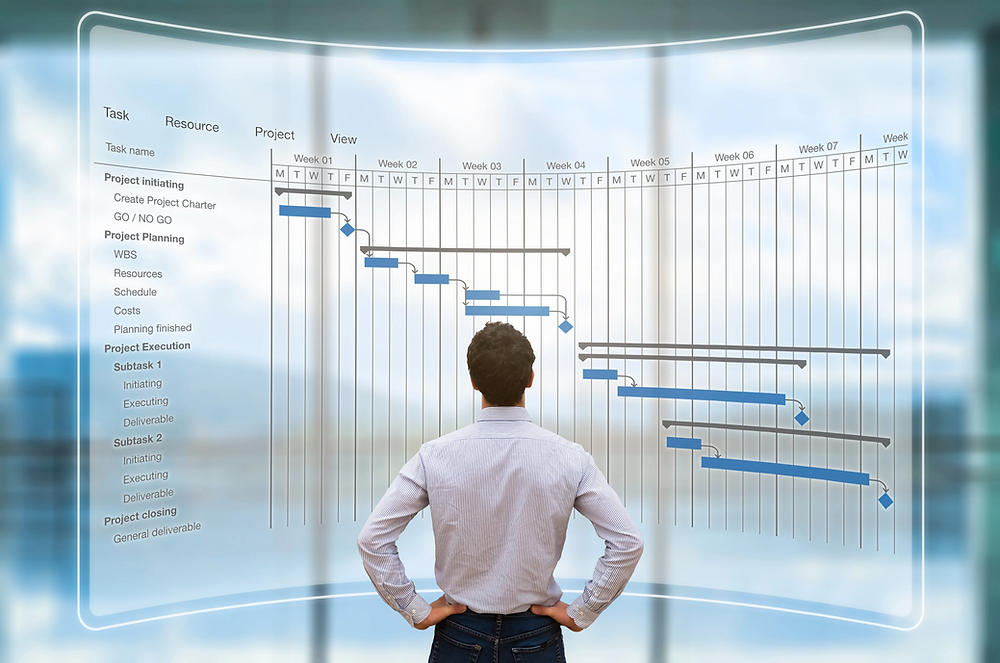
Mastering Gantt Schedules: Best Practices for Construction Projects
Gantt charts are an invaluable tool for project management in the construction industry. They allow you to visualize the project timeline, identify dependencies, and keep track of progress. However, Gantt charts can be overwhelming and, if not used properly, they can actually hinder progress rather than help it. In this article, we'll discuss best practices for using Gantt schedules in construction to ensure successful project management. 1. Start with a detailed work breakdown structure (WBS) Before creating a Gantt chart, it's important to have a detailed work breakdown structure (WBS). This means breaking down the project into smaller, manageable tasks. Each task should have a clear objective and be easily measurable. This will help you identify dependencies and milestones that need to be tracked on your Gantt chart. 2. Keep it simple One of the biggest mistakes people make with Gantt charts is overcomplicating them. A Gantt chart should be easy to read and understand at a glance. Use color coding and labeling to make it clear which tasks are in progress, which are complete, and which are yet to start. Avoid including too much detail in your chart, as this can make it difficult to read and interpret. 3. Update your Gantt chart regularly It's important to keep your Gantt chart up to date. This means updating it regularly to reflect changes in the project timeline, such as delays or unexpected issues. By keeping your chart current, you'll be able to identify potential problems before they become major issues. 4. Use a cloud-based project management tool Using a cloud-based project management tool, such as Ontraccr, can make it easier to create and update your Gantt chart. These tools allow multiple people to access the chart and update it in real-time. This can be particularly useful for larger projects where multiple people need to be involved in project management. Whichever tool you choose, make sure you the tool gives you all of the essential features you will need such as resource planning, dependencies, critical path, etc. Beware of the construction tools that simply let you upload a gantt schedule and don't allow you to manage to schedule within the software itself. This just creates an unnecessary extra step for project managers if they can't make changes to the schedule within the software. 5. Focus on critical path tasks The critical path is the sequence of tasks that must be completed on time in order for the project to be completed on schedule. When creating your Gantt chart, focus on identifying critical path tasks and ensuring they are given the priority they deserve. This will help you stay on track and avoid delays. 6. Be realistic about task durations It's important to accurately estimate the duration of each task in your Gantt schedule. Be realistic, and consider factors such as weather, availability of materials and equipment, and any other potential delays. 7. Identify dependencies Identify dependencies between tasks, and make sure they're reflected in your Gantt schedule. For example, if you can't start pouring a foundation until the site has been graded, make sure the grading task is completed and reflected in the schedule before the foundation pouring task begins. 8. Include buffer time It's important to include some buffer time in your Gantt schedule to account for unexpected delays or issues. This can help ensure that your project stays on track even if something goes wrong. 9. Communicate with stakeholders Make sure to communicate your Gantt schedule with all stakeholders, including the client, subcontractors, and suppliers. This can help ensure that everyone is on the same page and can help prevent misunderstandings or delays. Final Thoughts Gantt charts are an essential tool for project management in the construction industry. By following these best practices, you can ensure that your Gantt chart is an effective tool for keeping your project on track and ensuring its successful completion. Remember to keep it simple, update it regularly, and focus on critical path tasks.

Unlocking Efficiency in Construction: Why No-Code Workflow Tools are the Future
While traditional construction management software has been the norm for many years, no-code workflow tools are quickly gaining traction due to their many advantages. No-code workflow productivity tools and standard construction management software tools are two different categories of software that can help construction companies manage their projects more effectively. While both types of tools aim to increase productivity, reduce costs, and streamline workflows, they each have their unique strengths and limitations. No-code workflow productivity tools are becoming increasingly popular in the construction industry due to their ease of use and ability to streamline processes. In this article, we'll explore the key differences between no-code workflow productivity tools and standard construction management software tools, and which one might be a better fit for your company's needs. Standard Construction Management Software Tools Standard construction management software tools are designed to manage all aspects of construction projects, from planning to completion. These tools are often complex and require technical knowledge to use effectively. They typically include features such as project management, document management, budgeting and accounting, and scheduling. One of the biggest issues with traditional construction management software is its complexity. Many of these tools require extensive training and technical expertise to operate, which can be a major obstacle for small or medium-sized businesses that don't have dedicated IT departments. Additionally, traditional construction management software can be inflexible, limiting the ability of businesses to customize the software to meet their specific needs. This can lead to frustration and inefficiency, as users are forced to adapt their workflows to fit the limitations of the software, rather than the other way around. No-Code Workflow Productivity Tools No-code workflow productivity tools are designed to automate repetitive tasks and simplify complex processes without requiring any coding skills. These tools allow users to create custom workflows and automate tasks using visual drag-and-drop interfaces, making it easier for non-technical users to streamline their work processes. Some common features of no-code workflow productivity tools include: Visual Workflow Builders No-code workflow productivity tools allow users to create and manage custom workflows using drag-and-drop visual interfaces. This makes it easy for users to create complex workflows without any coding knowledge. Automation Capabilities These tools can automate repetitive tasks such as data entry, email notifications, and report generation. This allows users to focus on more important tasks and improve productivity. Integration Options No-code workflow productivity tools often integrate with other tools and services, such as project management software, CRM systems, and accounting tools. This can streamline workflows and improve collaboration between teams. Key Differences Between No-Code Workflow Productivity Tools and Standard Construction Management Software Tools The key differences between no-code workflow productivity tools and standard construction management software tools are: Customization and Flexibility No-code workflow tools are highly customizable and offer a great deal of flexibility to construction businesses. These tools allow businesses to create workflows that are tailored to their specific needs without requiring any coding knowledge. This means that businesses can easily modify their workflows as their needs change without relying on external IT support. In contrast, traditional construction management software can be rigid and inflexible, making it difficult for businesses to adapt to changing requirements. Ease of Use No-code workflow tools are designed to be user-friendly, even for individuals with little to no technical experience. This makes it easier for construction businesses to onboard new employees and get them up to speed quickly. On the other hand, traditional construction management software can be complex and difficult to use, which can lead to lower adoption rates and decreased productivity. Reduced Costs No-code workflow tools are generally less expensive than traditional construction management software, which can be a significant advantage for smaller businesses with limited budgets. These tools typically require fewer resources to set up and maintain, which can result in cost savings over time. Increased Efficiency No-code workflow tools are designed to automate many of the repetitive and time-consuming tasks that are inherent in the construction industry. By automating these tasks, businesses can improve their overall efficiency and productivity. In contrast, traditional construction management software may not offer the same level of automation and may require more manual intervention. Faster Deployment No-code workflow tools can be deployed quickly, often in a matter of hours or days, compared to traditional construction management software which may require weeks or even months to set up. This means that businesses can start using these tools much faster, which can lead to a quicker return on investment. The Rise of Construction Workflow Automation Construction Workflow Automation (CWA) is a new kind of technology that is gaining a lot of momentum across the construction industry because it combines the best of both worlds: no-code workflow design with best-in-breed construction management capabilities. Pioneered by Ontraccr, CWA gives construction companies the ability to cover all of their essential construction management needs while providing a highly-intuitive layer of custom workflow design. CWA gives construction teams the ultimate level of flexibility to decide what the software should do for them as a company, per project, per vendor, or even per client. As companies evolve, they can simply update their workflows within the software instead of needing to switch to different tools over time. Welcome to the new age of construction management software.

The Art of the Build: Incorporating Design and Creativity into Construction
The construction industry is often associated with functionality and efficiency, with practical considerations such as safety taking priority over aesthetics and design. However, incorporating design and creativity into construction can elevate the final result to a higher level, making it a work of art that is not only functional but also visually appealing. This approach is known as the art of the build, and it comes with a host of benefits. 1. Differentiation in a competitive market By incorporating design and creativity into a construction project, builders can differentiate themselves in a competitive market. A visually stunning building is more likely to catch people's attention and interest, leading to increased profits. For example, the Sydney Opera House is one of the most iconic buildings in the world, drawing visitors from around the globe to see its unique design. 2. Personalization Working closely with clients and incorporating their input into the design process can create personalized structures that cater to their unique needs and preferences. This results in more satisfied clients, repeat business, and referrals. An example of this is the Fallingwater house, designed by Frank Lloyd Wright, which was built specifically for the Kaufmann family to reflect their love of nature and water. 3. Environmental benefits Incorporating design and creativity into construction can result in more sustainable and energy-efficient structures. By using innovative building materials and techniques, builders can reduce the environmental impact of the construction process and also lead to lower energy costs for occupants. One example is the Edge, a sustainable office building in Amsterdam that generates its own electricity and collects rainwater for use in the building. 4. Shift in mindset Incorporating design and creativity involves a shift in mindset from simply building a structure to creating a work of art. Builders must approach each project with an open mind and a willingness to explore new ideas and techniques. An example of this is the Sagrada Familia in Barcelona, a massive cathedral that has been under construction since 1882 and has employed several architects who have all put their own creative stamp on the design. 5. Collaboration Incorporating design and creativity requires collaboration with architects, designers, and other creative professionals to ensure that the final product is both visually appealing and functional. For example, the Burj Khalifa in Dubai, the world's tallest building, required a team of hundreds of architects, engineers, and designers to bring its vision to life. 6. Staying up to date Incorporating design and creativity requires staying up to date on the latest trends and techniques in the industry. This includes learning about new building materials and methods, as well as changes in regulations and safety standards. For example, the use of 3D printing technology in construction is a recent development that allows builders to create more complex and intricate designs. 7. Artistic vision Lastly, teams must possess a certain level of artistic vision to balance form and function and create structures that not only look good but also serve a purpose. One example of this is the Guggenheim Museum in Bilbao, Spain, which is not only a visually stunning building but also serves as a cultural institution that hosts a wide range of art exhibitions and events. How to Manage the Increased Complexity While incorporating design and creativity into construction can elevate the final result, it also adds complexity to the project. To successfully manage these types of projects, builders need to be efficient and organized, which can be a challenge when dealing with the numerous variables and dependencies involved in the process. That's where construction workflow automation software comes in. By automating manual processes and streamlining workflows, construction workflow automation software can help builders manage complex projects with ease. For example, builders can use software to manage project schedules, monitor progress, and track tasks and deadlines. This ensures that everyone involved in the project is on the same page, reducing the likelihood of errors and miscommunications. In addition, construction workflow automation software can help builders keep track of project budgets and expenses, making it easier to stay within financial constraints. This is especially important when working on projects that incorporate design and creativity, as these projects may require more resources and investment than typical construction projects. Final Thoughts Incorporating design and creativity into construction projects can lead to visually stunning and unique structures that stand out in a crowded industry. However, these types of projects also come with added complexity and require builders to be efficient and organized in order to manage the numerous variables and dependencies involved in the process. By using construction workflow automation software, builders can streamline workflows, manage project schedules and budgets, and improve collaboration between project stakeholders. This allows builders to manage complex projects with ease, reduce the likelihood of errors and miscommunications, and stay up to date on the latest trends and techniques in the industry. By combining the art of the build with the power of construction workflow automation software, builders can create structures that not only look beautiful, but are also efficiently constructed and completed on time and within budget.

The Mindful Builder: Nurturing Mental Health in the Construction Industry
The construction industry is known for its physically demanding and often dangerous work, which can take a toll on the mental and emotional well-being of workers. In recent years, there has been a growing awareness of the importance of mental health in the workplace, including in the construction industry. In this article, we’ll explore the role of mindfulness and mental health in construction work, and how workers and employers can prioritize and promote positive mental health practices. The Importance of Mental Health in Construction Work Construction work can be physically demanding, but it can also be mentally taxing. Long hours, tight deadlines, and a high-stress environment can contribute to anxiety, depression, and other mental health issues. Furthermore, construction workers are more likely to experience substance abuse, and the suicide rate among construction workers is higher than the national average. Addressing these issues requires a cultural shift in the industry. It’s not enough to simply provide access to resources like counseling or employee assistance programs. Employers must also prioritize and promote a culture of mental health and wellness in the workplace. Mindfulness in Construction Work One approach to promoting mental health and well-being in the construction industry is through the practice of mindfulness. Mindfulness is the practice of being present and fully engaged in the present moment, without judgment or distraction. It can help workers reduce stress, improve focus, and increase resilience in the face of challenging situations. In the construction industry, mindfulness practices can include meditation, deep breathing exercises, or other techniques that help workers stay focused and calm on the job site. Mindfulness practices can also help workers stay safe by helping them maintain awareness and attention to detail, reducing the risk of accidents or injuries. Promoting Mental Health in Construction Work In addition to mindfulness practices, there are other steps that employers and workers can take to promote mental health in the construction industry. These include: Encouraging communication Employers should create a culture where workers feel comfortable talking about mental health concerns and seeking help when needed. This can include offering mental health resources, such as counseling or employee assistance programs, and training managers to recognize and respond to mental health issues. Prioritizing work-life balance Long hours and tight deadlines can contribute to stress and burnout. Employers should prioritize work-life balance by offering flexible scheduling, paid time off, and other benefits that support workers’ mental and emotional well-being. Creating a positive work environment A positive work environment can help workers feel supported and valued, which can in turn improve mental health. Employers can create a positive work environment by promoting teamwork, recognizing and rewarding good work, and fostering a sense of community and camaraderie among workers. Providing training and support Training and support can help workers develop the skills and knowledge they need to handle stress and challenges on the job. This can include safety training, stress management training, and other resources that promote mental health and well-being. Final Thoughts The construction industry is beginning to recognize the importance of mental health in the workplace, and mindfulness practices can play a key role in promoting positive mental health and well-being. By prioritizing mental health, promoting mindfulness practices, and creating a positive work environment, employers and workers can improve the overall health and safety of the industry. Ultimately, this can lead to better outcomes for workers, employers, and the construction projects they work on.

Overcoming the Top 5 Challenges in Construction Project Management: Tips and Strategies
Construction projects are often large, complex, and involve a variety of stakeholders, including architects, engineers, contractors, and sub-contractors. As a result, construction project managers face a variety of challenges throughout the project lifecycle, including scope creep, budget constraints, risk management, communication, and time management. However, with careful planning, effective communication, and the right tools, these challenges can be overcome. In this article, we will explore the top five challenges faced by project managers in the construction industry and provide tips and strategies to overcome them. We will also discuss how construction workflow management software like Ontraccr can help project managers manage their projects more efficiently and achieve greater success. 1. Scope Creep Scope creep is a common problem where the project's requirements and objectives tend to grow beyond the original scope, leading to schedule delays, increased costs, and reduced quality of work. This problem is often caused by inadequate planning, unclear communication, or changes in stakeholder requirements. Example: Suppose a construction company is tasked with building a new office building for a client. During the project, the client added additional features and amenities that were not part of the original scope, such as a rooftop garden, fitness centre, and coffee shop. These changes require more materials, labour, and time, which can lead to increased costs, longer timelines, and decreased quality if the project team is not prepared to manage these additional requirements. Pro Tips: Establish a clear project scope and communicate it effectively to the project team and stakeholders. Engage the stakeholders in the initial planning stages to ensure their expectations are aligned with the project scope. Create a change control process that assesses the impact of any changes before they are approved. Track any changes that are made to the project scope and their impact on the budget, schedule, and quality of the project. 2. Resource Management Resource management is the process of balancing available resources such as people, materials, and equipment with the project's requirements. This problem can arise when resources are over-allocated, under-utilized, or when there are conflicts over resource allocation. Example: Let's say a project manager is tasked with building a new hospital. One of the critical resources required for the project is a specialized type of concrete that is in high demand. If the project manager fails to procure the necessary amount of concrete, the project's construction can be delayed, leading to increased costs and missed deadlines. Pro Tips: Ensure that there is a clear understanding of the resources required and work with the project team to ensure that everyone is aware of their roles and responsibilities. Identify the critical resources that are required for the project and allocate them first. Monitor resource usage and availability on an ongoing basis to ensure that resources are used efficiently and effectively. Plan for resource constraints and have a plan in place to deal with unforeseen changes or conflicts that may affect resources. 3. Risk Management Risk management involves identifying, assessing, and managing risks to minimize their impact. This problem can arise when risks are not identified, when they are not managed appropriately, or when the risk management plan is inadequate. Example: A construction project may be at risk of delays due to unforeseen weather conditions which can impact things such as scheduled concrete pours. If the project team had not identified this risk or developed a contingency plan, it may lead to missed deadlines and increased costs for all stakeholders. Pro Tips: Establish a risk management plan that includes identifying potential risks, assessing their impact and likelihood, and developing mitigation plans for each risk. Assign a risk manager to oversee risk management activities and ensure that all risks are identified, assessed, and managed appropriately. Review the risk management plan regularly and update it as needed to ensure that new risks are identified and managed effectively. Train the project team on how to identify and manage risks and involve them in the risk management process. Use data from past projects to identify patterns such as poor weather and plan around them. 4. Communication Poor communication can lead to misunderstandings, delays, and decreased quality. This problem can arise when the project team or stakeholders are not adequately informed, or when communication channels are inadequate. Example: Suppose a construction project manager fails to communicate the project's progress and any changes that occur to stakeholders. This lack of communication can lead to misunderstandings, delays, and potential rework if the stakeholders are not aware of the project's status. Pro Tips: Establish a communication plan that outlines the communication channels, frequency, and information that needs to be communicated to stakeholders. Ensure that all stakeholders are informed and involved in the project from the beginning and that there is a two-way communication flow between the project team and stakeholders. Use clear and concise language to ensure that stakeholders understand the project's progress, challenges, and next steps. Regularly review the communication plan and update it as needed to ensure that all stakeholders are informed of the project's progress and any changes that occur. 5. Time Management Time management involves ensuring that the project is completed on time and within the given schedule. This problem can arise when the project timeline is unrealistic, when there are delays, or when there is poor time management by the project team. Example: Suppose a construction project manager fails to adequately schedule the project timeline, leading to delays in the project's completion. These delays can lead to increased costs, missed deadlines, and decreased quality if the project team is not able to manage them effectively. Pro Tips: Develop a project schedule that includes all activities and milestones required to complete the project. Identify the critical path of the project and allocate resources and time to ensure that it is completed on time. Monitor the project schedule regularly and update it as needed to ensure that the project is on track. Communicate any schedule changes or delays to stakeholders and ensure that the project team is equipped to manage them effectively. How Construction Workflow Automation (CWA) Software Can Help Project management is a complex and challenging role, especially in the construction industry. Construction project managers face a variety of challenges throughout the project lifecycle, including scope creep, budget constraints, risk management, communication, and time management. However, these challenges can be mitigated and overcome with careful planning, effective communication, and regular monitoring and review. Project managers can also use construction workflow management software, such as OnTraccr, to manage their projects more efficiently and overcome these challenges. OnTraccr offers a range of features that can help project managers manage their projects, collaborate with stakeholders, and track progress in real-time. To overcome the challenge of scope creep, project managers can use OnTraccr’s smart tracking boards to create a detailed project plan that is based on the scope of work, prioritize tasks, and track progress against milestones. To manage budget constraints, project managers can use OnTraccr’s built-in budget tracking system to monitor project expenses, estimate costs, and track actuals against budgets. To manage risk, project managers can use OnTraccr to identify potential risks through the use of advanced analytics, allowing them to assess their impact and likelihood, and develop risk mitigation strategies. To overcome communication challenges, project managers can use OnTraccr to create a communication plan, define communication channels, and track communication with all stakeholders. To manage time effectively, project managers can use OnTraccr to create a detailed project schedule, monitor progress against the critical path, and track progress against deadlines. By implementing the tips provided above and using construction workflow management software like OnTraccr, you can increase the likelihood of project success and build strong, positive relationships with stakeholders.

The Fun Side of Construction: From Themed Hotels to Aquariums, Unconventional Building Projects
The construction industry is constantly pushing the limits of what's possible, and unique and interesting projects are becoming more common as a result. From themed hotels and museums to sports stadiums and public art installations, construction professionals are using their creativity and technical expertise to build spaces that are not only functional, but also immersive and memorable. Here are some unique and interesting construction projects, along with some real-life examples, that showcase the variety of exciting work being done in the construction industry: Themed Hotels These hotels offer guests a truly unique experience by incorporating themes that are designed to immerse them in a different world. Some examples of themed hotels include: The Manta Resort in Zanzibar, Tanzania, which offers underwater rooms that provide a one-of-a-kind experience for guests. The ICEHOTEL in Jukkasjärvi, Sweden, which is made entirely of ice and snow, providing guests with a truly unforgettable experience. Sports Stadiums These venues are designed to provide an exceptional viewing experience for sports fans, and are often equipped with cutting-edge technology and design elements. The Mercedes-Benz Stadium in Atlanta, Georgia, features a retractable roof that can be opened or closed in just under eight minutes. The Allianz Field in St. Paul, Minnesota, boasts a state-of-the-art video board that is one of the largest in Major League Soccer. Museums These cultural institutions are designed to educate, inspire, and engage visitors with innovative exhibits that showcase cutting-edge technology and design. For example: The Museum of the Future in Dubai, UAE, features innovative exhibits that showcase cutting-edge technology and design. The Exploratorium in San Francisco, California, is an interactive museum that allows visitors to touch, explore, and learn in a hands-on environment. Sculptures and Public Art These installations are designed to beautify public spaces and to create a sense of place. The "Bird in Space" sculpture by Constantin Brancusi, which has become one of the most iconic works of public art in the world. The "Chihuly Garden and Glass" exhibit in Seattle, Washington, which features a collection of glass sculptures by Dale Chihuly that are both beautiful and mesmerizing. Themed Attractions These attractions are designed to transport visitors to a different world, either through an immersive experience or a simulated environment. Some examples of themed attractions include: The Harry Potter and the Forbidden Journey ride at Universal Studios Hollywood, which takes riders on a journey through the world of Harry Potter. The Epcot World Showcase at Walt Disney World Resort in Florida, which allows visitors to experience the culture and traditions of different countries around the world. Theme Parks These venues are designed to provide visitors with a variety of rides, attractions, and experiences that are based on a specific theme or idea. The Magic Kingdom at Walt Disney World Resort in Florida, which transports visitors to a world of fantasy, adventure, and magic. The Universal Studios Hollywood theme park, which offers visitors the chance to experience the world of movies and TV through exciting rides and attractions. Zoos and Aquariums From naturalistic habitats to cutting-edge exhibits, the construction of zoos and aquariums offers an opportunity to create environments that inspire visitors to learn about and appreciate wildlife. The San Diego Zoo in California is home to over 3,700 animals and offers visitors the chance to see and learn about wildlife from around the world. The Monterey Bay Aquarium in California features a living kelp forest exhibit that showcases the unique and diverse marine life of the Pacific Ocean. Final Thoughts In conclusion, the construction industry is much more than just concrete, steel, and scaffolding. It’s a place where creativity and imagination can flourish, leading to some truly unique and exciting building projects. From themed hotels to aquariums, contractors and designers are showing that the sky's the limit when it comes to creating innovative and captivating structures. These projects demonstrate that construction is not just about function, but also about form and aesthetics, and the ability to bring people joy and inspiration. It’s a reminder that there’s a fun side to construction, and it’s exciting to think about what imaginative creations will come next.
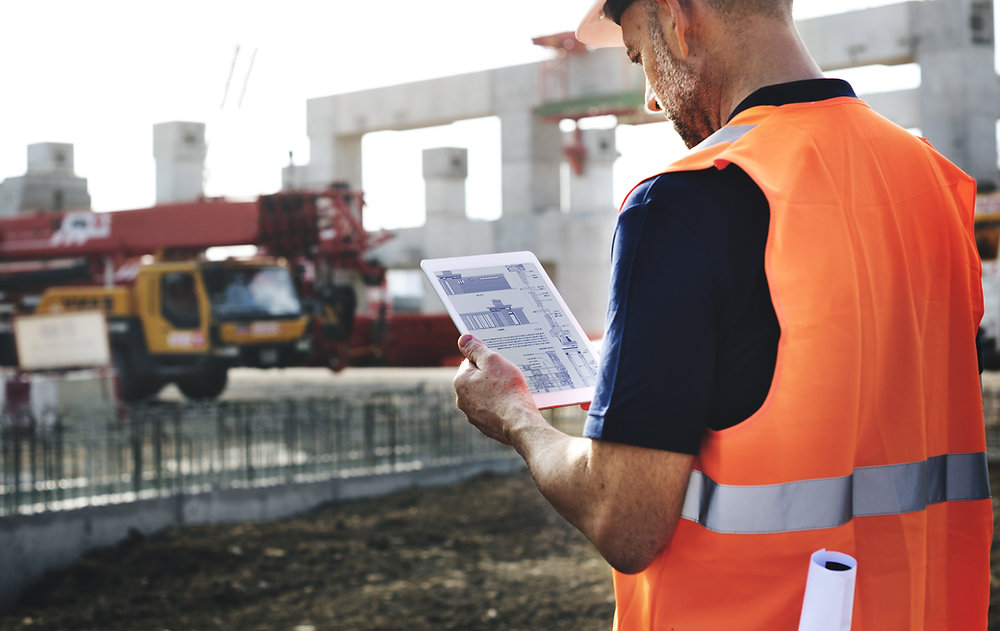
The Digital Advantage: How Contractors Can Stay Ahead in the Talent Game
The construction industry is facing a serious challenge: a shortage of skilled workers. With an aging workforce and a lack of new workers entering the field, contractors are struggling to find the talent they need to complete projects on time and within budget. Fortunately, technology can play a crucial role in attracting and retaining workers in the construction industry. By embracing new tools and approaches, contractors can create a more appealing and efficient work environment, making it easier to attract and retain the best talent. Here are some ways contractors can use technology to attract and retain workers: Invest in mobile technology The use of mobile technology has become increasingly widespread in recent years, and the construction industry is no exception. Contractors can invest in mobile devices and apps to improve the efficiency and productivity of their workers. Mobile devices can be used for tasks such as time tracking, project management, and communication with team members and clients. By providing workers with the tools they need to do their jobs more efficiently, contractors can improve job satisfaction and reduce the risk of burnout. Implement training and development programs Technology can also be used to create and deliver effective training and development programs for workers. For example, virtual and augmented reality simulations can provide hands-on experience with new tools and techniques, while online learning platforms can make it easier for workers to access the training they need, when they need it. Investing in training and development programs enables contractors to help their workers stay up-to-date with the latest skills and techniques, making them more valuable to the organization. Promote work-life balance Technology can also play a role in promoting work-life balance for workers. For example, time tracking apps can be used to monitor working hours and ensure that workers are not being overworked. Additionally, telecommuting options and flexible schedules can be made available to workers, making it easier for them to balance work and family commitments. Promoting work-life balance can create a more supportive and attractive work environment, which can help contractors attract and retain the best talent. Improve communication Clear and effective communication is essential for any construction project, and technology can help contractors achieve this goal. Tools such as instant messaging and video conferencing can be used to ensure that workers have quick and easy access to the information they need. This can improve collaboration and reduce misunderstandings, which can help contractors complete projects on time and within budget. Foster a sense of community Technology can also be used to foster a sense of community among workers. For example, social media platforms and online forums can be used to create virtual communities where workers can share ideas, tips, and advice with each other. This can help build a sense of camaraderie and support among workers, which can be a strong motivator for staying with a company long-term. Fostering a sense of community can create a more attractive work environment. Things to avoid! When trying to attract and retain workers, it's important to be mindful of the types of technology that might have a negative impact on worker satisfaction. Here are a few types of technology to avoid: 1. Outdated or non-user-friendly technology Workers expect to use technology that is up-to-date, reliable, and easy to use. If contractors use outdated or non-user-friendly technology, workers may become frustrated and disengaged, which can negatively impact job satisfaction and turnover. 2. Technology that infringes on privacy Workers expect to have their privacy respected when using technology in the workplace. Contractors should avoid using technology that collects or monitors data in a way that invades workers' privacy. This can include tools that track workers' locations or monitor their online activities. 3. Technology that creates extra work Workers want technology that makes their lives easier, not harder. If contractors use technology that requires workers to complete extra tasks or navigate complicated processes, workers may become frustrated and disengaged. This is also why it's important for contractors to choose highly customizable software. With an extremely customizable tool in place, workers won't need to change their habits to fit the software, the software can fit them. 4. Technology that promotes micromanagement Workers value autonomy and the ability to make decisions for themselves. Contractors should avoid using technology that promotes micromanagement, such as tools that closely monitor workers' performance. This can create a hostile work environment and negatively impact worker morale. 5. Technology that reduces face-to-face interaction Workers value face-to-face interaction and the opportunity to build relationships with their colleagues. Contractors should be mindful of the ways in which technology can reduce face-to-face interaction, such as relying solely on email or instant messaging for communication. By avoiding these types of technology, contractors can create a more positive and supportive work environment that will help them attract and retain skilled workers. Final Thoughts Technology can play a crucial role in attracting and retaining workers in the construction industry. By investing in mobile technology, implementing training and development programs, promoting work-life balance, improving communication, and fostering a sense of community, contractors can create a more attractive and supportive work environment, making it easier to attract and retain the best talent. At the same time, contractors must ensure that they avoid common pitfalls when selecting technology to introduce into their workforce. The technology must be easy to use and make workers feel more efficient and comfortable in order for the technology to be well-received.

Construction 2.0: How QR Codes are Changing the Game for Contractors
QR (Quick Response) codes have been around for a while now, but their use in the construction industry is still relatively new. However, as technology continues to evolve and the industry looks for ways to improve efficiency and safety, the application of QR codes on construction sites is becoming more prevalent. Benefits of QR Codes in Construction One of the main benefits of using QR codes on a construction site is the ability to quickly and easily access important information. For example, QR codes can be placed on equipment, materials, and even on the building itself to provide instant access to data such as manuals, specifications, and safety information. This can save time and reduce the risk of errors, as workers can easily access the information they need without having to search through binders or printed documents. Safety Another way QR codes are being used in construction is to improve safety on the job site. By attaching QR codes to safety equipment and emergency exits, workers can quickly access important safety information such as evacuation plans and emergency procedures. This can help ensure that workers are prepared in the event of an emergency and can quickly and safely evacuate the site. Inventory & Materials QR codes can also be used to track inventory and materials on a construction site. By scanning a QR code on a piece of equipment or material, a worker can quickly access information such as the item's location, condition, and maintenance history. This can help ensure that materials and equipment are properly maintained and can reduce the risk of costly delays or accidents. Training & Compliance Another way QR codes can be used in construction is for training and compliance. By attaching QR codes to training materials and certifications, workers can quickly access and complete the training they need to work on the site. This can help ensure that workers are properly trained and qualified to do their job and can reduce the risk of accidents or mistakes. Collaboration Finally, QR codes can be used to improve communication and collaboration on a construction site. By attaching QR codes to blueprints and design plans, workers can quickly access important information such as floor plans, electrical layouts, and structural details. This can help ensure that workers are on the same page and can reduce the risk of errors or delays. How to Introduce QR Codes in Your Organization Here are a few tips on how contractors can introduce QR codes within their organization: Start Small Before fully implementing QR codes on your entire construction site, start with a small pilot project to test the technology and work out any kinks. This will help you gain a better understanding of how QR codes can be used effectively on your construction site and identify any challenges that may need to be addressed. Communicate the benefits To get buy-in from your team, it's important to clearly communicate the benefits of using QR codes on the job site. This includes things like improved efficiency, increased safety, and better tracking of inventory and materials. Train your team Once you've introduced QR codes to your organization, it's important to properly train your team on how to use them. This includes things like how to scan a QR code and how to access the information that is linked to it. Use a QR code generator There are many free QR code generators available online that make it easy to create QR codes for your organization. Be sure to choose one that is reliable, easy to use, and allows you to track the number of scans. Or better yet, you can use a Construction Workflow Automation (CWA) solution that offers built-in QR codes generators and workflows to fully integrate QR codes with the rest of your operational management processes. Assign responsibility Assign someone in your organization to be responsible for managing and updating the QR codes on your construction site. This will ensure that the codes are always up-to-date and the information they link to is accurate. Use QR codes in conjunction with other technology QR codes can be used in conjunction with other technologies such as Construction Workflow Automation (CWA) and Building Information Modeling (BIM) to improve collaboration and decision-making on the job site. Review and evaluate Regularly review and evaluate the effectiveness of the QR codes on your construction site. Gather feedback from your team and make changes as necessary to improve the overall experience. By following these tips, contractors can successfully introduce QR codes within their organization and start reaping the benefits of this technology on their construction sites. It's important to remember that introducing new technology takes time, but by starting small and communicating the benefits, contractors can ensure a smooth transition and maximize the potential benefits of QR codes. Final Thoughts QR codes have the potential to revolutionize the way construction sites operate by making it easier to access important information, improve safety, track inventory, and support compliance and collaboration. As technology continues to evolve and the construction industry looks for ways to improve efficiency and safety, the application of QR codes on construction sites is likely to become more prevalent.

From Hammering to Handshake: Closing Out Your Construction Project with Confidence
Construction projects can be a thrilling and challenging endeavour, but what happens when the hammering and sawing come to a halt? Closing out a construction project can seem like a daunting task, but with the right approach, it can be a seamless process. As a contractor, you want to make sure that the project is closed out efficiently and effectively, and that the client is completely satisfied with the work. Whether you're wrapping up your first project or closing out your hundredth, the key is to be prepared and to know what to expect. In this blog, we'll dive into the best practices for closing out a construction project and share some tips and tricks that every contractor should know. From understanding the requirements to performing a final walk-through, we'll cover everything you need to know to close out your project with confidence. 1. Understand the requirements. Before closing out a project, it's essential to understand the specific requirements and expectations of the owner or client. This includes understanding any outstanding punch list items, final inspections, and any warranties or guarantees that need to be provided. The project scope documents, such as the project charter, project scope statement, and work breakdown structure, play a critical role in understanding the requirements and expectations of the project. These documents provide a detailed description of the project's objectives, deliverables, and constraints, and they should be reviewed and understood before closing out the project. By understanding the project scope documents, you will be able to identify any outstanding items or concerns that need to be addressed before closing out the project. It's important to keep in mind that the project scope documents are the foundation of the project and they should be reviewed and updated throughout the project. By having a clear understanding of the project scope, you can ensure that the project is completed within the agreed-upon time and budget, and that the client's expectations are met. 2. Document everything. Proper documentation is critical when closing out a project. This includes maintaining detailed records of all work performed, materials used, and any issues or problems that were encountered. This documentation will be essential in case of any disputes or issues that may arise after the project is complete. One way to streamline this process is by using a construction workflow automation (CWA) software, like OnTraccr. These software platforms automate the documentation process and allow contractors to easily track and record all project-related information, including project scope, budgets, timelines, and progress. OnTraccr, for example, allows you to create and track tasks, schedule inspections, and manage inventory, all in one place. The software also provides real-time data and analytics, allowing contractors to identify and address any issues or problems as they arise. Additionally, with the help of OnTraccr, you can easily generate detailed reports and export them for further analysis. This can help to streamline the documentation process and ensure that all important information is recorded and easily accessible. Moreover, construction workflow automation software like OnTraccr also allows you to collaborate with your team, clients, and other stakeholders in real-time, providing a platform for effective and efficient communication. This can help to ensure that everyone is on the same page and that the project is closed out to everyone's satisfaction. 3. Communicate effectively. Good communication is key when closing out a project. Make sure to communicate regularly with the owner or client and address any concerns or issues that may arise. This will help to ensure that everyone is on the same page and that the project is closed out to everyone's satisfaction. It's important to keep your client in the loop, and always be transparent and honest in your communication. 4. Review and finalize contracts. Review and finalize contracts: Review all contracts and agreements related to the project and make sure that all terms and conditions have been met. This includes finalizing any outstanding payments or financial matters, and ensuring that all parties have signed off on the project. It's important to make sure that all the final payments are made and that the client is satisfied with the work performed. Additionally, when working with multiple contractors in a project, or perhaps when managing sub-contractors, it's essential to review the scope of work for each contractor to ensure that there are no gaps between the different contractors and their contracts. This will help to ensure that the project is completed in a timely and efficient manner, and that the client's expectations are met. 5. Perform a final walk-through. A final walk-through is an essential step in closing out a project. It allows the contractor to review the work performed, identify any outstanding issues or problems, and ensure that the project meets the owner or client's expectations. Here are some tips and tricks to keep in mind when performing a final walk-through. Schedule the walk-through at the appropriate time. It's best to schedule the walk-through when the project is complete and all the final touches have been made. Be thorough and take detailed notes. Make sure to inspect every aspect of the project, including the interior and exterior of the building, and take detailed notes of any issues or problems that need to be addressed. Involve the client. It's important to involve the client in the final walk-through to ensure that they are satisfied with the work performed and to address any concerns they may have. Bring a checklist. Having a checklist of the items that need to be inspected during the walk-through can help ensure that nothing is missed. Take pictures. Take pictures of the project during the walk-through to document the final condition of the project. Address any issues promptly. If any issues or problems are identified during the walk-through, it's essential to address them promptly to ensure that the project is closed out to everyone's satisfaction. By following these tips and tricks, you can ensure that the final walk-through is thorough, efficient and that the client's expectations are met. 6. Follow up. After the project is complete, it's essential to follow up with the owner or client to ensure that they are satisfied with the work performed. This can include scheduling a follow-up inspection or providing a warranty or guarantee. It's important to keep in touch with your client even after the project is complete, as it will help you build a good reputation and may lead to future business opportunities. Conclusion Closing out a construction project can be a daunting task, but with the right approach and the right tools, it can be a breeze. By understanding the requirements, documenting everything, communicating effectively, reviewing and finalizing contracts, performing a final walk-through and following up, you can close out your construction project with confidence. The key is to be prepared and to know what to expect. By using a construction workflow automation software like Ontraccr, you can streamline the documentation process and easily track and record all project-related information. But most importantly, always keep in mind that closing out a project is not just about completing the work, but also about ensuring that the owner or client is satisfied with the work performed, and that all necessary documentation and agreements are in place. By following these best practices and tips, you'll be able to close out your construction projects efficiently and effectively, leaving your clients satisfied and ready for your next project. Remember, the key is to be prepared, have a plan, and execute it with confidence. Happy building!
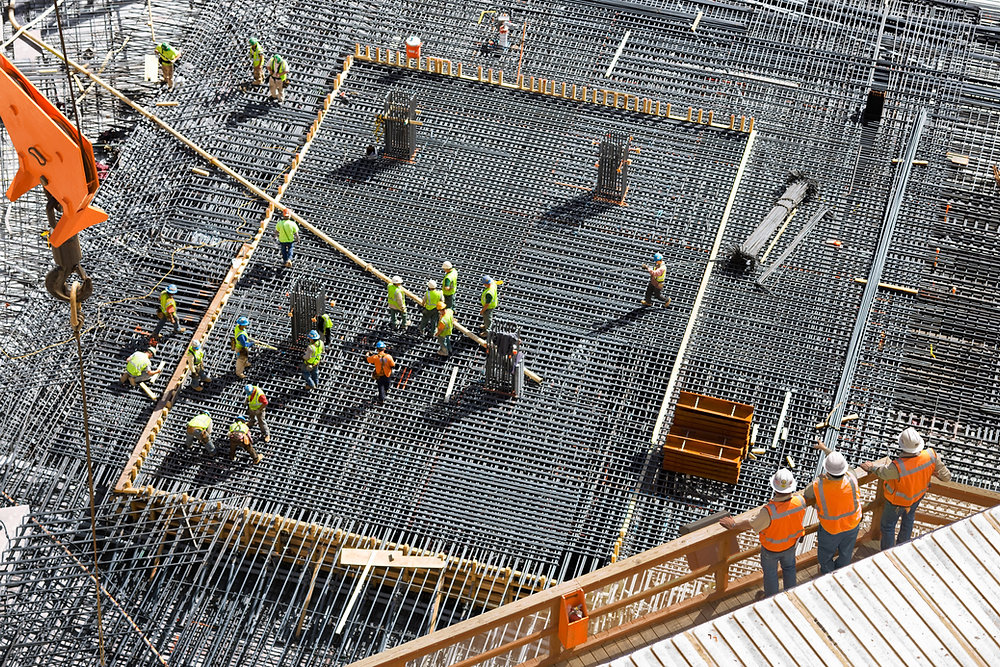
Site Preparation 101: What You Need to Know to Ensure a Successful Construction Project
Building a new structure or renovating an existing one is a complex process that requires a significant investment of time, money, and effort. One of the most critical steps in the construction process is site preparation. It is the foundation upon which the entire project is built and sets the stage for the entire construction process. Proper site preparation can save you time and money in the long run, and help to ensure that your project is completed on time and within budget. However, if not done correctly, site preparation can lead to costly mistakes and delays. In this article, we will take a closer look at the importance of proper site preparation and how to avoid common mistakes. Conducting a Thorough Site Assessment The first step in site preparation is to conduct a thorough site assessment. This includes analyzing the topography, soil conditions, and existing vegetation. It is essential to identify any potential hazards such as underground utilities, flood zones, or wetlands. This information will help you to determine the best location for your structure, and identify any potential issues that may need to be addressed before construction begins. Clearing the Land Once the site has been assessed, the next step is to clear the land. This includes removing any trees, bushes, or other vegetation that may be in the way. It is also important to grade the land to ensure proper drainage and to level the site for the foundation. Any soil or rock that is removed from the site should be properly disposed of. Preparing the Foundation After the land has been cleared and graded, it is time to start preparing the foundation. This includes digging trenches for the footings, pouring the concrete, and installing any necessary drainage systems. It is important to make sure that the foundation is level and that it is built to the proper specifications. The foundation is the backbone of the entire structure and must be built correctly to ensure the stability and longevity of the building. Installing Utilities Another important aspect of site preparation is the installation of any necessary utilities. This includes the placement of the sewer, water, and electrical lines. It is important to make sure that these utilities are properly installed and that they meet all local codes and regulations. Landscaping Once the foundation and utilities have been installed, it is time to start building the structure. The final step in site preparation is to install any necessary landscaping. This includes planting grass, bushes, and trees. Proper landscaping not only adds aesthetic value to the property but also helps to stabilize the soil and prevent erosion. Common Pitfalls to Avoid However, as important as proper site preparation is, there are also many pitfalls that can be encountered along the way. Here are some common mistakes to avoid: Skipping the site assessment Improper grading Using the wrong type of soil Failing to install proper drainage Skimping on utilities Not considering future expansion Ignoring erosion control By avoiding these common pitfalls and following the proper procedures, you can ensure that your site preparation is done correctly and that your construction project is completed on time and within budget. Remember, proper site preparation is an investment in the long-term success of your project and it is important to take the time to do it right. Other Impacts to Consider In addition to the pitfalls mentioned above, there are a few other key things to keep in mind when it comes to site preparation. One thing to consider is the impact of the project on the surrounding environment. For example, if the project is located in an area with a high water table, it may be necessary to install drainage systems to prevent water from seeping into the foundation. Similarly, if the project is located in an area prone to flooding, it may be necessary to build a flood-proof foundation. This can help to protect the structure from damage and ensure that it remains safe for occupants. Another important thing to consider is the impact of the project on the local community. For example, if the project is located in a densely populated area, it may be necessary to take steps to reduce noise and dust during construction. This can help to minimize disruptions to local residents and businesses and ensure that the project is completed in a timely and efficient manner. Finally, it's important to be aware of any local zoning and building codes that may apply to your project. These codes can vary widely depending on location, and it's important to make sure that your project complies with all applicable regulations. This can help to ensure that your project is completed on time and within budget, and that it meets all safety and structural requirements. Final Thoughts In conclusion, proper site preparation is essential to the success of any construction project. It sets the stage for the entire construction process and can save you time and money in the long run. By conducting a thorough site assessment, clearing and grading the land, preparing the foundation, installing utilities, and landscaping, you can ensure that your project is completed on time and within budget. Additionally, consider environmental, community and local regulations to make sure your project is safe and meets the legal requirements. Remember, the key to successful site preparation is attention to detail and the willingness to take the time to do it right.

Top 10 Articles of 2022
At Ontraccr, we care deeply about helping construction and field service businesses of all kinds and sizes learn about the latest advancements happening across the industry. We also make it our mission to provide teams with incredibly effective techniques and methodologies which can help them achieve their desired business outcomes. That's exactly why we created the popular Ontraccr Blog! Two of our best content writers happen to also be two of our founders: Jas Nijjar and Syed Ahmed. Throughout 2022, Jas and Syed have produced some really great content on a wide range of topics, covering the latest in construction technology advancements as well as providing a ton of useful tips and tricks to help our community in many different ways. Jas is an expert in construction management and, prior to founding Ontraccr, has spent time working at construction businesses of almost every kind and size. Through this experience, Jas has acquired rich knowledge in every aspect of construction project management and has shared a ton of great tips for teams to implement today. As an engineer turned entrepreneur, Syed has spent his whole career in the technology ecosystem. Throughout his career, Syed has focused on enabling laggard industries like agriculture and healthcare to become digitized and adopt the latest innovations, and he now has his sights set on helping the construction industry. Syed shares a lot of great business and technology related content to help businesses stay on top of the latest trends. Without further ado, here are the Ontraccr team's top 10 articles of 2022: 1. How to Mitigate the Impact of Delays in Construction Delays are top-of-mind for construction teams, often leaving teams scrambling. In this post, we help you mitigate the impact of such delays. 2. The Role of Suppliers in Construction Innovation In order for the construction industry to move forward, every player in the ecosystem needs to play their part, including suppliers. 3. Late Payment in Construction | How Did We Get Here and How Can We Solve This Problem? The squeezing of subcontractors and suppliers is accepted practice within the industry, and intervals between payments continue to increase. 4. The Operational Difference Between Small and Large Contractors Depending on the size of the team, contractors can take very different approaches to how they operate and manage projects. 5. 22 Essential KPIs Every Construction Contractor Should Measure Traditionally, financial metrics were the leading indicator used to measure performance. But there are many other metrics to be aware of! 6. Why Construction Businesses Need Kanban Boards Kanban boards are still new to the construction industry, but the contractors using them are getting a serious leg up on their competition! 7. 6 Ways to Fight a Recession in Construction Over 2 million construction jobs were lost in the last recession. With another recession looming, now is the time to prepare for survival. 8. Can Blockchain Technology Help Construction Web3 and blockchain may be the latest craze in the technology world, but can it actually help the construction industry? 9. Construction, Meet Workflow Automation | The Next Generation of Construction Software Current construction software solutions still require far too much manual entry. The industry needs workflow automation - introducing CWA! 10. Top 5 Construction Trends to Watch for in 2022 Here were some of the top construction trends to keep track of in 2022. And there you have it! These were our top 10 most popular articles of 2022. We have a big year of content planned for 2023 so if you haven't subscribed already, what the heck are you waiting for?

ESG in Construction: 5 Key Strategies for Reducing Environmental Impact
The construction industry plays a vital role in shaping the built environment, and as such, it has the power to significantly impact the natural world and the communities in which it operates. In recent years, there has been an increasing focus on the environmental, social, and governance (ESG) practices of the construction industry, as stakeholders and consumers demand more sustainable and responsible building practices. In this blog post, we will delve into the key strategies for reducing environmental impact in the construction industry, and discuss the role of industry leaders in promoting ESG practices. Through a combination of innovative technologies and conscious decision-making, we can work towards a more sustainable future in construction. What is ESG and why is it important in construction? ESG in construction refers to the ways in which a company or project considers the environmental, social, and governance impacts of its operations. This includes things like reducing energy and water consumption, using sustainable materials, managing waste and emissions, and engaging with stakeholders to ensure transparency and accountability. The importance of ESG in construction cannot be overstated. With climate change and environmental degradation becoming increasingly pressing issues, it is more important than ever for the construction industry to prioritize sustainability in its operations. By reducing its environmental impact, the industry can not only do its part to protect the planet, but also save money and resources in the long run. 1. Assessing the environmental impact of construction projects One of the first steps in implementing ESG in construction is assessing the environmental impact of a project. This can be done through a variety of methods, such as conducting an environmental impact assessment (EIA) or using sustainability assessment tools like the Leadership in Energy and Environmental Design (LEED) rating system. An EIA is a process that evaluates the potential impacts of a proposed project on the environment, including air quality, water resources, soil, flora and fauna, and human health. EIAs are often required by law for large-scale projects, and can help identify any potential negative impacts and inform decision-making around mitigating measures. LEED is a voluntary rating system developed by the U.S. Green Building Council (USGBC) that evaluates the environmental performance of buildings. Projects that achieve LEED certification are recognized as being designed and built with sustainability in mind, and can earn points in categories such as energy and water efficiency, materials and resources, and indoor environmental quality. By conducting an EIA or using a sustainability assessment tool like LEED, companies and project teams can identify the environmental impacts of a project and implement strategies to minimize those impacts. This could include things like using energy-efficient materials, implementing water-saving measures, and designing for natural light and ventilation. Assessing the environmental impact of a construction project is a crucial step in promoting sustainability and responsible building practices, and can help ensure that projects are designed and built in a way that minimizes their impact on the environment. 2. Implementing sustainable building materials and techniques Using sustainable building materials and techniques is an important part of reducing the environmental impact of construction projects. There are many ways that companies and project teams can incorporate sustainability into their material choices, including: Using recycled or reclaimed materials: Reusing materials that have already been extracted and processed can significantly reduce the energy and resources required to produce new materials. Choosing locally sourced materials: Transporting materials long distances can be a significant source of greenhouse gas emissions. Choosing materials that are produced or sourced locally can help reduce the carbon footprint of a project. Selecting materials with a low environmental impact: Some materials are more environmentally friendly than others, based on factors such as the energy required to produce them, the pollutants they generate, and their embodied carbon (the carbon emissions associated with their production). Incorporating green building techniques: There are many building techniques that are more sustainable and environmentally friendly, such as using passive design principles to reduce energy consumption, implementing rainwater harvesting systems, and installing green roofs or walls. By considering the environmental impact of building materials and techniques, companies and project teams can make more sustainable choices that reduce the carbon footprint of their projects. 3. Reducing energy and water consumption in construction Energy and water consumption are two major areas where the construction industry can make a significant impact on the environment. There are many strategies that companies and project teams can implement to reduce energy and water consumption in construction, including: Using energy-efficient materials and systems: Choosing materials and systems that are designed to use less energy can significantly reduce the energy consumption of a building. This could include things like energy-efficient windows, insulation, heating and cooling systems, and lighting. Implementing water-saving measures: Water scarcity is a growing concern in many parts of the world, and the construction industry is a major consumer of water. Implementing measures such as low-flow fixtures, rainwater harvesting systems, and greywater reuse can help reduce water consumption in construction projects. Incorporating renewable energy sources: Using renewable energy sources such as solar, wind, or geothermal energy can help reduce the carbon footprint of a building and contribute to a more sustainable energy mix. By adopting practices that conserve energy and water in construction, companies and project teams can significantly reduce their environmental impact and play a role in building a more sustainable future. 4. Managing waste and emissions during construction Managing waste and emissions is a crucial aspect of promoting sustainability in the construction industry. There are several strategies that companies and project teams can use to minimize these impacts: Reducing waste: One of the most effective ways to minimize the environmental impact of construction is to reduce the amount of waste generated in the first place. This can be done through designing buildings to minimize waste, using materials that can be easily reused or recycled, and implementing a waste management plan to ensure that materials are properly sorted and disposed of. By reducing waste, companies and project teams can save resources and reduce the burden on landfills. Implementing emission-reducing technologies: Many construction activities, such as transportation and concrete production, can generate significant emissions. By implementing technologies that reduce emissions, such as electric or low-emission vehicles and equipment, companies and project teams can significantly reduce their environmental impact. This can help reduce air pollution and contribute to a healthier environment for workers and the community. Offsetting emissions: In some cases, it may not be possible to completely eliminate emissions from a construction project. In these cases, companies and project teams can offset their emissions by investing in projects that remove carbon from the atmosphere, such as reforestation or carbon capture and storage. This can help compensate for any remaining emissions and contribute to the overall goal of reducing carbon in the atmosphere. Effective waste and emissions management during construction is essential for promoting sustainability and reducing the environmental impact of the industry. By implementing strategies such as designing buildings to minimize waste, using materials that can be easily reused or recycled, and investing in emission-reducing technologies, companies and project teams can contribute to a more sustainable future. 5. Engaging with stakeholders to promote ESG in construction Engaging with stakeholders is an important aspect of promoting ESG in the construction industry. Stakeholders can include a wide range of individuals and groups, such as employees, customers, investors, communities, and regulatory bodies. By engaging with stakeholders, companies and project teams can ensure that their ESG practices align with the values and expectations of these groups, and can also receive valuable feedback and insights that can inform decision-making. There are many ways that companies and project teams can engage with stakeholders to promote ESG in construction, including: Communicating transparently: By being open and transparent about their ESG practices, companies and project teams can build trust with stakeholders and demonstrate their commitment to sustainability. This could include things like publishing sustainability reports, hosting stakeholder engagement events, and providing regular updates on ESG progress. Consulting with stakeholders: Consulting with stakeholders can help companies and project teams understand the perspectives and concerns of different groups, and can inform decision-making around ESG practices. This could include things like holding focus groups, conducting surveys, and holding public meetings. Collaborating with stakeholders: Collaborating with stakeholders can help companies and project teams tap into new ideas and resources, and can also help build relationships and goodwill. This could include things like partnering with NGOs or community organizations, or working with suppliers and contractors to promote ESG practices. By engaging with stakeholders in an ongoing and meaningful way, companies and project teams can ensure that their ESG practices align with the values and expectations of key groups, and can contribute to a more sustainable future in construction. Closing thoughts: the future of ESG in construction The construction industry has the power to shape the built environment and significantly impact the natural world and communities in which it operates. By prioritizing environmental, social, and governance (ESG) practices, companies and project teams can build a more sustainable future in construction. There are many strategies that companies and project teams can implement to promote ESG in construction, including assessing the environmental impact of projects, using sustainable materials and techniques, reducing energy and water consumption, managing waste and emissions, and engaging with stakeholders. By adopting these practices, the construction industry can reduce its environmental impact, save resources, and contribute to a more sustainable future. As the focus on ESG in the construction industry continues to grow, it is more important than ever for companies and project teams to consider the environmental, social, and governance impacts of their operations. By working together, we can build a better future in construction that is sustainable, responsible, and equitable.

Customized Construction Software: The Secret to Project Success
As a construction professional, you know how important it is to have the right tools for the job. When it comes to software, the same rule applies. Choosing the right construction software can make a huge difference in the efficiency and effectiveness of your projects, but with so many options on the market, it can be difficult to know where to start. One key factor to consider when selecting construction software is customization. While a software package may have a lot of features and capabilities, it's not always a good fit if it can't be tailored to your specific needs. Off-the-shelf construction software is designed to be a general solution that works for a wide range of businesses. But this one-size-fits-all approach often means that the software doesn't fully align with the unique processes and workflow of a particular business. As a result, employees may have to work around the limitations of the software or deploy additional software tools to cover gaps, leading to inefficiencies and reduced productivity. That's why it's so important to choose construction software that is extremely customizable. Here are a few reasons why customization is so important: Every project is different. No two construction projects are exactly the same, so it's important to have software that can be tailored to meet the unique needs of each project. This might include customizing project templates, reports, and other features to match the specific requirements of your project. Customization can improve efficiency. By customizing your construction software to match your workflow and processes, you can streamline your work and eliminate unnecessary steps. This can save time and reduce the risk of errors, leading to more efficient project management. Customization can save money. Customizing your construction software to fit your needs can help you avoid paying for features that you don't need or use. This can save you money in the long run, especially if you use the software for multiple projects. Customization can improve collaboration. Customizing your construction software to match the needs of your team can improve communication and collaboration on projects. For example, you might customize the software to include specific tools for project management, document sharing, and task tracking. Customization allows for scalability. As your business grows and takes on larger and more complex projects, you may need to expand the capabilities of your construction software. By choosing a software that is extremely customizable, you can add new features and modules as needed, without having to switch to a new software platform. This can save time and resources in the long run. Customization can increase accuracy. Customizing your construction software to match your specific measurements and calculations can help ensure that you have accurate data throughout the project. This can reduce the risk of errors and omissions, which can save time and money in the long run. Customization can enhance security. Depending on the type of project you are working on, you may need to customize your construction software to include specific security measures. For example, you might need to customize the software to include password protection, data encryption, and other security features to protect sensitive information. Customization can improve user experience. Customizing your construction software to match the needs and preferences of your team can improve the user experience and make it easier for team members to use the software. This can increase adoption and encourage more widespread use of the software, leading to better project outcomes. Overall, the ability to customize your construction software is a key factor to consider when selecting the right tools for your business. By choosing software that is extremely customizable, you can ensure that you have the right features and capabilities to meet the unique needs of your projects, improve efficiency and accuracy, and enhance collaboration and security. The previous generation of construction software consisted of one-size-fits-all tools with very limited customization options. Luckily, things have changed drastically, with the new wave of construction software platforms offering much deeper levels of customization to really tailor the experience around any contractor's unique needs. Tools such as Construction Workflow Automation (CWA) are changing the game by building true customization into the software's capabilities from day one.

5 Reasons Why Construction Teams Need Kanban Boards
Kanban is the Japanese word for ‘visual board’ and is a Lean tool developed by Taiichi Ohno, who was an industrial engineer at Toyota in the 1950’s. Since the emergence of the “Kanban Method” in 2007, it has become an extremely popular workflow management tool for defining, managing, and improving processes and tasks within several different aspects of organizations in a variety of different industries. The beauty in the method is the simplicity it provides. It helps you visualize work, maximize efficiency, and allows for continuous improvement. Each ‘board’ typically represents a segment of work which could represent the different aspects of a construction company. Below I’ve highlighted 6 examples of kanban boards you could create in construction. These boards allow you to organize your company's operations in a logical manner. Project Management Estimating & Bid Tracking Service & Fleet Management Procurement Customer Relationship Management Task Management Within each of these boards, you’ll then need to define and create a series of columns, which represent a different stage or status of your workflow. An example of a simple kanban board for a “To do” list can include as little as 3 columns such as “To Do”, “Doing”, and “Done”. Finally, after you’re done breaking down your board into columns representing each stage of the workflow, you’re now ready to start adding your ‘tasks’ or ‘cards’ to the board. This is where the fun starts because a card can represent anything you want, as long as it’s related to the board. For example, if you had a board that represented the estimating/lead tracking in your company, the cards would represent either a customer or a project. As a team member works on a task and it is approved, the card moves through the workflow and onto the next column awaiting completion from whoever is responsible for the next stage of the task. Ideally these cards are customizable and can visually show different information based on what stage they are sitting in. Some solutions which offer workflow automations like OnTraccr allow you to do exactly that, giving you ultimate control over how things should be displayed at any given stage in your workflow. This allows your team to always quickly see the status of everything and focus on putting their attention on higher priority tasks. How to Get the Most Out of Using Kanban Boards If you’ve gotten to the stage where you can easily create and organize the different tasks in your board, then congratulations, you’ve already won! There are so many benefits to organizing operations in this way, ultimately enabling a greater level of productivity, decreased stress, and increased quality of work for your entire team. This is still a relatively new concept for the construction industry, and those companies that start utilizing this now are giving themselves a serious leg up on improving their current workflows. Before we get too far ahead of ourselves though, it’s important to step back and realize the ultimate goal, which is continuous iterative improvement. By organizing your tasks through the use of a kanban board, you not only gain a clear understanding of what is going on at any given moment, but you also gain the ability to refine your workflows and ensure there are no bottlenecks in the way that are holding things back. This can easily be achieved if you simply take the time to understand the underlying principles of the kanban method. 5 Core Principles of the Kanban Method The kanban method is best used with workflows with incremental changes, consistent and repeated processes, and limited task dependencies. Below I’ve listed 5 core principles that the methodology teaches us so that you can get the most out of deploying kanban boards into your workflows. 1. Visualize The first step in creating a board is to visualize your workflow and the different stages it progresses through. The end result should be an easy representation of how work is processed. This is ideally done through a deep and thoughtful process with all stakeholders involved such as the project management team, field team, and accounting team. 2. Limit Work in Progress Having your teammates multitask is not doing them any favors. In fact, it is proven that multitasking can decrease productivity significantly, therefore it is essential to have a system in place that limits the amount of tasks any given person/department should be responsible for. The way this is done in the kanban world is through the use of work-in-progress (WIP) limits. By using work in progress limits, you can either use a limit on the total number of tasks that can be in progress simultaneously on your board, or put individual limits on each stage in your workflow. This way your team will stop starting new work and focus on finishing tasks that are already in progress. Doing this can also increase the rate you deliver value to your customers or clients, which is always a good thing. 3. Manage the Flow, Not People The visualizing continues far after the creation of the board as it also serves as a great tool for identifying potential problems in your workflow. The process for determining this is quite simple: if you see a column in which tasks arrive quicker than they are leaving, cards will start to pile up, and the problem will be easily visible for the whole team. This could be a temporary issue or a potential bottleneck that is crippling the flow of the workflow. It is important to get to the root cause and find a solution that works for everyone. Flexibility is key! 4. Explicitly Define Policies Explicit policies restrict action and allow you to improve any emerging behaviours through experiments. A good policy is one that is simple and well-defined, visible, always active, and easily modified by responsible parties. By having a well-defined policy such as a WIP limit on how many tasks can be at any given stage at any time, we are able to take away any assumptions on how things are done, and clearly define the rules for the workflow you have set up. Another example of a policy could be defining the person or persons that are allowed to make any changes to the board or give the final approval before cards may progress to the next stage. 5. Continuous Improvement Even after fully implementing the kanban method into your organziation, your work is truly never done. Part of the method is to continuously improve your workflows and processes. Therefore, it is essential that you monitor the way you and your team work and make improvements on a regular basis. Identify any bottlenecks as they appear, and formulate plans with all stakeholders in order to implement a new solution. It might mean having to adjust your policies as a result of feedback from your team, but that is exactly the feedback you want to encourage as it provides a healthy environment for continuous improvement. Conclusion The method of simply organizing your tasks, specific to each department or project, in an easy-to-visualize format such as a board, allows you to lay the groundwork for creating a system that challenges your organization to continuously improve through small measurable changes. Once this system is implemented, contractors have the ability to start to visually see where their workflow bottlenecks are that are likely costing them tens of thousands of dollars a month in non-productive work. Adding the powerful layer of the kanban methodology on top of your boards is one of the most effective ways of tracking tasks and overall progress. The method is actually really easy to understand and implement for anyone in your team, whether they are in the office or out in the field. You can think of it as a supercharged task tracking system that provides you, or anyone else that you allow access to, with the ability to view progress at any given time.

4 Ways to Improve Vendor Management
We’ve all been there. Instructions were clearly spelled out, reminders were sent several times, yet the vendor is still late in delivering their goods. Whether it’s rebar, windows, electrical transformers, or simply paper, not having the material delivered to a project on time can cause serious delays and, in some cases, bring the project to a complete standstill. This is why managing vendors is such an important part of a contractor's operations. When managing a variety of different vendors, it’s essential to collect and track the right information so that your organization can determine if things are working effectively or if you need to consider a replacement. Having a project stall because of a vendor is usually avoidable and can be a sign of poor vendor management. By following the tips below you can increase your chances and start making smarter decisions, especially when it comes to who you decide to write the purchase orders to. Need help managing project delays? We wrote a series of articles to help, check them out here! 1. Deploy a Vendor Onboarding Process Every time a new vendor begins working with your company, it is crucial that you let them know what your expectations are. Simply thinking they should know already, or that it is common knowledge, won’t get you anywhere and is often the leading cause of you slipping down their priority list. The best way to get this accomplished is through an onboarding process which includes the following: Access to your system: If you currently use a project management system, or some other type of platform, it is key to get them setup on there with the correct permissions so that communications are streamlined. Contacts: Ensure that the vendor has a complete list of your primary contacts for specific business operations such as where invoices need to be sent, who to talk to for price negotiations, and perhaps site contact information. Communications: If there are any specific instructions or communications methods required for your business or project, it is critical that you provide these details to your vendor (email is preferred because it is traceable). Let them know who is the site contact, who is the purchaser, who is the PM, etc. Spell out expectations for everything: If you’re accustomed to a specific method of invoicing, or a specific way of receiving shop drawings or material, it is important to let the vendor know ahead of time so that they can ensure they are covered and able to provide the services you requested. It is best to do this before even giving a PO because it allows everyone to price in extra overhead if required, giving them no excuse not to provide the service you had requested. Security access: If your project or site requires a list of people who will need access, it’s important to let your vendor know so that they can provide a list of their employees who will be visiting your site. This will ensure that there is no hiccup when it comes to delivering goods to your project. 2. Use a Scorecard to Evaluate Vendor Performance Projects can last for years and your vendor relationships can last even longer. If you can take the time to evaluate your project periodically, it is equally as important to do the same with your vendors. A vendor scorecard is a tool used to identify problems early and ensure that you are consistently monitoring critical components of your relationships. Some of the most important qualities to evaluate are as follows: Operations: Evaluating a vendor's operational performance involves rating them based on their timeliness, quality of materials, and ability to follow specific instructions. Customer service: Asking your staff to rate vendors is really powerful as they can let you know of critical information you would otherwise never see. For example, if they often find themselves waiting around excessively for materials that should be ready for pickup, this would be costing you at the rate of your workers hourly salary. Safety: Safety is always the #1 priority, so if your vendor isn’t following your safety policies, or is found placing people in danger when delivering goods, this shouldn’t be taken lightly. Always grade vendors on safety and ask your site crews if they see any issues with delivery personnel. Flexibility and value added services: Projects never go as planned and plans can change very quickly. This is why evaluating vendors based on their flexibility and ability to help you solve problems is so important. If you find that your vendor is constantly looking to put in a change request for an order, instead of working with you to find a cost effective solution, it’s time to look elsewhere. 3. Take Advantage of Vendor Data and Your Accounting Software If you’re not tracking this already, you’ll be surprised to see what you actually pay a vendor in a given year. It’s important to track this information because you can then use it to negotiate for better pricing in the future. Vendors have special discounts that they can offer based on the volume you purchase from them, so it’s important to know this information for future negotiations. 4. Keep a Record of Vendor Failures and Successes Vendor failures unfortunately happen all the time in construction. The impact may be massive, or there may be none at all. Regardless, each and every moment of failure, or even success, should be recorded as part of a standard process throughout your organization. Combining this with the scorecard system will allow you to not only rank vendors by performance, but also by their unique value added services or flaws. For a deep dive into the role of suppliers in construction innovation, check out our past article here. Final Remarks In summary, vendor management is all about managing and mitigating risks. Most contractors know firsthand that a vendor can be critical in being able to deliver a project on time and within budget. Therefore, it is important that you start making this a part of your normal practice if you haven’t done so already. We all have those projects where you want to put your best foot forward, and try to do anything possible to impress a client. Knowing your vendors and ensuring you have the right one for the job can be a make or break factor, so once again don’t take this lightly. A helpful tool that can be used for this is CRM-type software. There are a ton of them out there, and some are even construction-specific like Onraccr.

How Recycling Can Help Construction Businesses Grow
Today more than ever, recycling has become an essential practice, and it’s especially important on construction sites. When you recycle the right materials, you make sure they get used again instead of letting them end up in landfills or polluting our water supply. Recycling also reduces waste while saving money and energy. In addition to being an environmentally-friendly solution that saves resources, recycling is also an important part of building codes and regulations. And when contractors don’t follow these guidelines or take the right actions to ensure their projects are compliant with provincial/state laws—and even federal laws—they could be held responsible for any negative impacts caused by their decisions. So if you want to build something that will stand the test of time—and make money while doing it in an environmentally conscious way—then recycling construction materials is a must! Where is the waste coming from? Recycling is a key component in reducing waste on construction sites. It helps to reduce the amount of hazardous materials that are disposed of, and it also reduces the amount of brand new materials that need to be purchased. When you recycle, you can reuse old supplies for future projects instead of purchasing new ones all together. However, according to various reports, up to 30 percent of all building materials on a typical construction site can end up as waste! But in a process where construction is designed to bring new material into a job site and generate an end product, where is all this waste being generated? Below I’ve listed some common causes of construction waste and some tips on why you should pay more attention to your current waste mitigation strategies. Common areas where waste is developed in construction: Demolitions - Waste generated from the demolition of buildings and structures accounts for almost 95% of construction waste. This is likely due to the destructive nature of the process, where almost no emphasis is placed on recovering materials due to the extra time and care required to properly recycle it. During Material Procurement - One of the most controllable causes of construction waste is the actual procurement process for the materials. This is where those crucial profit percentages can either be won or lost, as poor methods of inventory management can lead to over-purchasing materials, leading to extra waste. During Construction - During this phase, damaged and scrapped materials often find themselves in the waste bins. This especially holds true with fragile materials such as glass and ceramic. These kinds of waste can be eliminated during the material selection process. Preference can be given to material that is both good for the environment and the wallet, making sure to consider things like installation waste as a factor. Common recyclable material found on construction sites Metal Plastic Wood Construction Waste (Bottles, Containers, Drywall etc) Paper Glass The above list is not exclusive by any means. Every year companies are coming out with new and innovative ways to not only recycle different building materials, but also re-use them in other applications. A great example of this is how drywall is being recycled and used to making fertilizer. Therefore, it's essential to continuously look to improve your recycling efforts, as you never know when new ideas will create opportunities for your company to save money and the environment! Environmental benefits of eliminating waste Recycling is a great way to reduce the amount of materials that are sent to landfills and it also reduces the amount of waste that is generated on site. Not only that, but it also saves time and money spent on disposal, which can quickly add up over the course of a project. By implementing a waste management strategy, you’re not only helping the environment but also helping your company save money. By creating an effective system for recycling and reuse, you can ensure that there are no materials wasted and keep costs down. Recycling construction materials can save your company money! Construction companies are in the business of making buildings and structures, but they also produce waste. That waste often includes valuable resources that can be recycled and reused to build other structures or products. It's up to you and your company to identify these resources and come up with creative ways to recycle them. Companies benefit from recycling in two ways: direct costs saved from not having to purchase new materials and indirect savings from reduced disposal fees and labor costs associated with managing solid waste. For example, for electrical contractors alone the potential savings could be significant—up to 30 percent of all building materials on a typical construction site end up as waste! If this material is managed properly instead of being thrown away, it can be sold for scrap or transformed into usable building supplies such as insulation panels, steel beams, or temporary power equipment. Build good will by showing a commitment to protecting the environment Building goodwill is important not only because it helps you attract new contracts, but also because it shows that your company cares about the environment and wants to protect it. In addition to showing how environmentally friendly you are, having a positive relationship with your clients and contractors leads them to want to work with you again. Even if they aren't currently working on an environmental project, when they see how much green initiatives mean to their clients, they'll be sure that yours is worth recommending in case anyone asks them to name teams who have experience with environmental issues in construction. Companies with good recycling practices are more likely to win contracts Another benefit of creating a green reputation is that you can also win contracts based on your good recycling practices. Companies that go above and beyond to ensure their waste is recycled are more likely to win construction contracts than their competitors who don't care about the environment or the bottom line. Your company will also be seen as a good citizen in the community, which is good for a business’s reputation and brand. The best part about recycling? It's not just something you should do because it's the right thing to do—it will actually help improve your bottom line! Conclusion Construction sites are notorious for being a mess, but you don’t have to be part of the problem. By recycling your construction waste, you can make a real difference in how much impact your site has on the environment. Not only that—but there’s also an economic benefit as well: recycling materials costs less than buying new ones. So if you want to keep things clean and save money in the process, it's time to start recycling today and come up with your own waste management system.
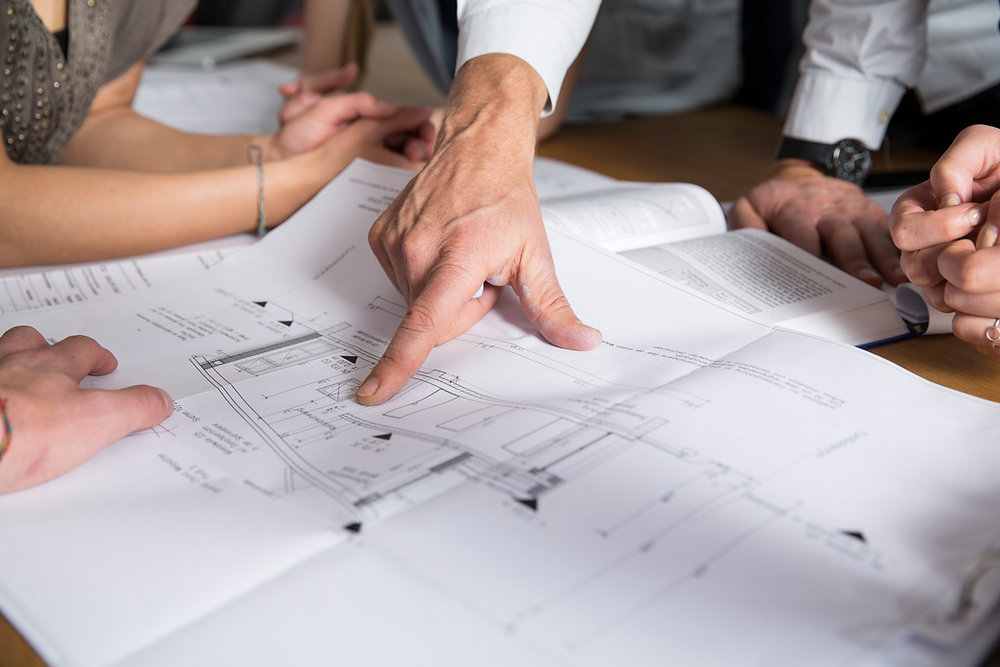
7 Common Construction Claims & How to Avoid Them
Construction projects are complex, and they're often subject to unexpected delays and circumstances. While these factors can be frustrating, they don't need to derail your project or put your company at risk of a claim. By planning ahead and properly managing potential risks, you'll be able to avoid unnecessary claims and keep your projects moving forward smoothly—and on budget. Common Causes of Construction Claims One of the most common contributors of construction claims is the hesitancy to spend the required effort to clarify the scope and terms of work during initial project phases. This often results in changes to design, scope, and schedule during construction, which can lead to a tidal wave of construction claims heading your way. The second most common contributor is the unclear communication of contract intentions causing misunderstandings regarding the risks and responsibilities assigned to the contracting parties. Below I've listed some other common causes of construction claims and some tips on how to avoid them: 1. Contract Errors and Omissions A contract error is a very common cause of construction claims. They're also the easiest to prevent, as long as you have a good lawyer and review your contract carefully before signing. Typically, they can be caused by a typo or another mistake in drafting the contract, but sometimes they're harder to spot. For example, if your contractor agrees to build something for $100 per square foot but doesn't include any details about how big each room was supposed to be or what materials were used in their construction, you may end up paying more than necessary because the contractor assumed that you wanted them built out at full size with all the amenities included in that price point—even though they didn't actually say so! There's no way around it: unless another party has been involved in writing up these agreements (like an insurance company), then it's always best practice for you and your partner(s) involved in making these decisions review everything together before any contracts are signed off on. 2. Scope Change A project's scope details the work, services and products to be supplied and is usually spec'd out in a scope document which is provided to all contractors to generate their bids. It serves as the agreement between the owner and contractors on not only what should be built, but also the exact spec and requirements of the material that should be purchased to build it. A good project manager should have a good understanding of what was included in the original bid documents and what was not included. It's important that they also communicate effectively with their client if there are any gaps within the scope so that work can continue smoothly throughout construction. There are many reasons why a project manager might miss something from the scope document. Sometimes it's an oversight, other times it may be intentional. Some items that should have been included in the original design can be added later on in the process if they are deemed necessary, but this likely results in increased costs due to the increased difficulty to incorporate the changes into the project's design. 3. Incorrect or Incomplete Design When it comes to construction claims, one that I'm sure all contractors have experienced at some point, is incorrect or incomplete design. In many cases, designers are not always right, and oftentimes they tend to copy and paste assemblies into their drawings in an effort to increase productivity. 4. Differing Site Conditions Site conditions can change significantly from what was reflected on the initial design package, which can lead to production delays. Weather conditions are unpredictable, and if site access is difficult, contractors may claim for additional time spent trying to deliver/install goods. If the contractor does not recover any costs associated with these claims from the subcontractor responsible for them, these extra costs will ultimately be passed up the chain as a higher price. 5. Client Intervention Client intervention can be one of the most frustrating causes of construction claims. This is not because clients are inherently bad or difficult to work with, but rather because they are often inexperienced and unsure how to manage the process. Client intervention can be a good thing if it improves the project’s design or scope, but it can also be a hindrance if there are too many changes requested at once, or if those changes cause delays in production schedules and cost overruns. Client intervention can also delay projects when items that were originally agreed upon are removed or changed without notification from the contractor to their subcontractors, which may result in additional costs for materials needed for these new tasks (and extra labor hours). Need tips on how to better manage client relationships? Check out our article here! 6. Faulty Workmanship Faulty workmanship is when the contractor does not complete his work to the agreed-upon specifications. This could be caused by a number of factors, including: Poor management, lack of training and planning. These can lead to delays and extra costs for all parties involved. A constrained budget. This can result in low-quality materials or less experienced workers being used on a project, which can lead to faulty workmanship. In some cases, it may even be a deliberate choice made by the contractor in order to save money on supplies or labor—in which case it would become fraud if they are aware that their decision will result in faulty workmanship but neglect to inform you as such before commencing with construction activities. 7. Project Delays Delays are one of the most common causes of construction claims. Delays can have multiple causes, but some of the main culprits include a lack of resources and coordination, poor scheduling, or lack of management skills. Delays caused by weather or other environmental factors are usually unavoidable and therefore not something that can be prevented when developing a schedule for a project. However, other delays which are typically caused by humans can be avoided by taking steps to ensure that proper planning is done before beginning any project. For example, if you're building an apartment complex and need to start construction before winter arrives so that work won't be disrupted by snowfall later on in the year (a common problem during cold winters), then it's important that you plan ahead so you know exactly how long each stage will take before starting those stages. This way there won't be any surprises down the road when it comes time for final inspection. For more tips on managing project delays, check out our articles on how to avoid delays and how to mitigate the impact of delays on your projects! Conclusion If you’re looking to avoid construction claims, it's essential you do your homework and ensure everyone is in line with the scope and requirements. It is important to have comprehensive contracts with clear language that outline the responsibilities of all parties. You should also try to keep changes to your project scope minimal and as early in the project as possible so that risks can be identified and minimized before they become major issues. Finally, if you notice something wrong during construction or even after construction has been completed, report it immediately!

The Dangers of Using Multiple Apps
The use of multiple software applications to manage a business has become more popular over the years. At first, the benefits may seem obvious, with more features and better functionality than any one application could presumably provide by itself. However, there are many potential downsides to using too many applications. In this article, we'll explore some of those dangers so you can make an informed decision about whether your company should adopt this strategy. Increased Overhead There are several ways that the use of multiple apps can increase your company’s overhead. For starters, you need to learn new systems and manage each one separately. The time spent learning the ropes and familiarizing yourself with these various apps is precious time taken away from other tasks that likely need your team's attention. You'll also have to track data from multiple sources, making it harder for you to gain insights about your customers. And because you'll be managing multiple users for each system, you have less control over security issues in your company. Furthermore, the use of several apps also means you’ll then have to manage the data across them, and this can become inefficient and complex. This increases your time spent dealing with this information and makes it harder to stay on top of all the tasks that need to be completed. Inefficiencies The use of multiple apps is time consuming, and frankly, your company will likely bleed money trying to keep up. As a result, something (that is, the multiple apps) that was meant to lighten your workload and increase productivity, will end up costing you both time and money. Let’s break it down: You’re going to need to invest considerable time to learn new systems. Even more time training your staff and bringing them up to speed on multiple systems. And on top of all of that, you’re going to need to spend time to manage your in-house IT team or the outsourced company that is managing your multi-platform environment, which means more time spent teaching them how to troubleshoot problems when they arise. Naturally, that means more money out of your pocket to pay their salaries. And when problems arise (and they will), it’s likely that you’ll need to communicate with multiple companies because each app has its own support system in place. Additional Training Another challenge companies using too many apps are faced with is the manpower and hours dedicated to training staff on how to use these various apps. As you can imagine, each app has its own way of capturing data and presenting it back to users. As a result, there is a high likelihood that multiple apps will require additional training for staff members tasked with using them in their workflows. This can lead to wasted time as they learn how different tools work and what they do differently from other applications already in use by your team or organization. And when it comes to training new-hires, if you’re only hiring one person at a time, this isn’t too much of a problem—but if you want your employees to use multiple apps, then there will be a lot of additional training involved. Even more concerning is that each app requires its own training because it has its own set of features and ways of doing things. This means that each new employee will require individualized training for every single app they use on the job! And that introduces the need for ongoing support from others on the team, taking away from not just one, but multiple people's productivity. Double Entry Double entry can be time consuming. This is especially true if you have a lot of transactions to record, or if you're working in construction, where the information flow is highly complex. Unfortunately, not all apps offer integrations, so the various apps you use are likely working independently of each other. When you have too many tools at hand (and don’t use just one to streamline everything), there is increased risk of double entry — meaning entering information into two places instead of just one place. Unless these tools are integrated together seamlessly by default, this could lead to problems down the road when trying find out where something was entered originally or how old certain pieces of data actually are, since updates may have been made directly within one application but not others over time. Information Silos As your organization grows, the amount of information that needs to be shared will also increase. The problem is that this can easily lead to "information silos," where information is stored in various places without being accessible or usable by other parts of the organization. Information silos are bad for several reasons, including the following: They lead to inefficiency, which means wasted time and effort as people try to find what they need from these disparate sources. They make it difficult for employees who aren't involved with a particular project to understand how their work fits into the larger picture. Headaches As you can see, it’s not just the user who suffers. The business owner and executives have an equal burden of pain. Add to that the cost of training employees on multiple platforms and data sources, and you have a headache that could make even the strongest of people want to lie down in a dark room for a while (or maybe take up meditation). Closing Thoughts It’s easy to get excited and carried away with all of the tech solutions out there today. While at first it may seem like these various apps can lighten your team’s workload, adding too many of them to the mix can have the complete opposite effect. Not only is the use of too many apps inefficient, it also increases overhead, and can be complex, leading to more work for you and your team. The data silos created by multiple apps makes it harder for teams to collaborate effectively. If you try to manage everything with one platform or software program that streamlines your processes and is beneficial for the entire team, including both field and office teams, the chances of something falling through the cracks goes down dramatically. Ditch the Spreadsheets and Multiple Apps Ontraccr lets you decide exactly how you want to digitize your entire operation, from the field to the office, providing an all-in-one platform to power your business.
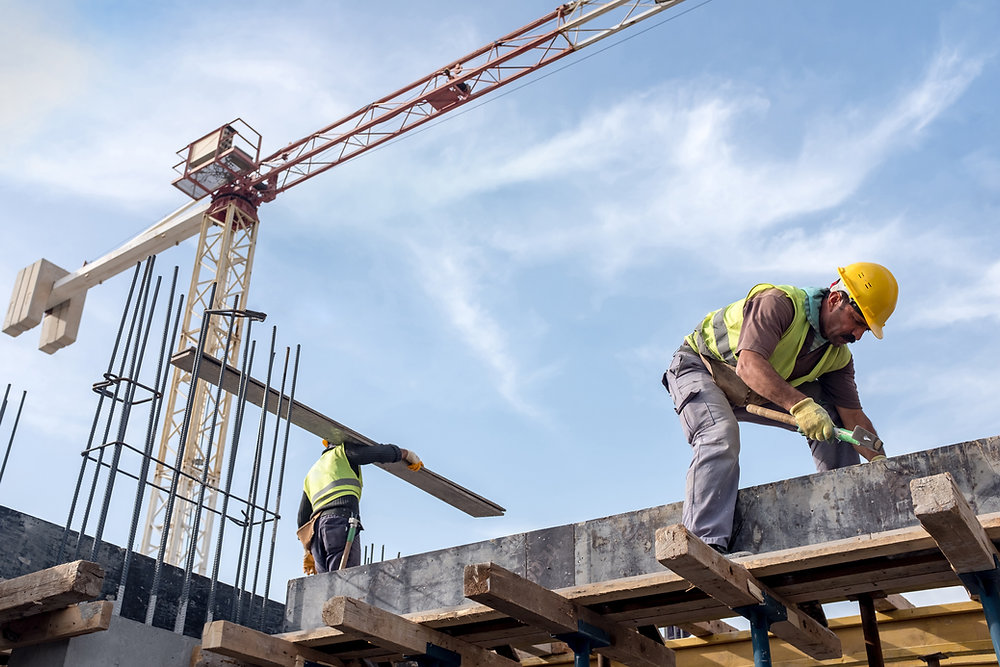
5 Key Elements of a Successful Safety Program
Simply just having a safety program is not enough to ensure that it is successful. It requires the right elements and focus to be effective. Safety programs are most successful when they are well-defined, supported by leadership and management, and continually improved. The program should be led by top level management, who must be committed to its success. It is based on a team effort involving employees at all levels of the organization and it allows employees to understand their individual roles and responsibilities in order to achieve common goals that company leaders evaluate on an ongoing basis. Below I've highlighted 5 key elements that need to be in place in order to ensure the success of your safety program. 1. The Culture - Employee Training and Empowerment Before employees are expected to follow best practices, it’s essential that you educate and empower them to hold each other accountable. This can be done by dedicating a day to safety training where you share safety tips and plan activities that keep your workers interested. Online resources should be used as they can provide safety training ideas with minimal effort. To boost accountability, consider implementing a stop-work authority, which gives employees the power to stop a task if it becomes too risky for them or their co-workers. If you want to sustain your culture of accountability throughout your organization for years to come, putting safety in the hands of your workers can help you foster accountability at all levels of your company. 2. Systems for Hazard Identification & Control The first step in controlling hazards is to identify them. A safety management process must be put in place for workers to easily identify hazards and take appropriate steps to contain them. Not all hazards can be eliminated, but most can be controlled; this is the goal of your safety program. Control hazards through a combination of methods: physical controls (barriers, guards), administrative controls (procedures), and personal protective equipment (PPE). Physical controls should always be your first line of defense against any potential injury or health risk. Institutionalize these into your overall procedures by integrating them into regular work processes so they become second nature for everyone on the team. Use administrative controls whenever possible, like scheduling certain jobs when it's not busy so fewer people are exposed to risks at once—this also helps with communication across teams! If you're working with hazardous materials offsite or overseas then PPE is certainly necessary—just make sure it's reliable enough that no one gets hurt while wearing it! Verify that all these measures are effective by conducting regular inspections throughout every aspect of each process being monitored. This not only ensures that everything stays up-to-date but it also gives people confidence knowing their work environment has been thoroughly assessed before being put into practice. 3. Emphasis on Compliance Compliance with laws and regulations is the most obvious way to ensure a safe work environment. Along with government agencies like OSHA and ANSI (the American National Standards Institute), companies should develop their own internal best practices that they can use to outline specific job-related safety procedures. For example, if you’re involved in construction projects, there are several standards that apply: OSHA 1910 Subpart N (Construction) governs fall protection requirements for scaffolds; ANSI A10 as well as ANSI D16 promote best practices for proper ladder selection; and OSHA 1926 Subpart L prohibits workers from carrying more than 50 pounds when operating a scissor lift or aerial platform unless two safety lines are attached by two separate means of attachment. By creating formalized policies that outline these best practices and make them easily accessible to all employees, you can help ensure compliance across the board. 4. Strong Leadership & Organizational Buy-In It's not enough to write a safety program, implement it and expect it to work. You need strong leadership and organizational buy-in in order for your program to succeed. This means that everyone from the CEO or owner down through every level of management needs to be committed to the success of your program. Strong leadership is key here; good leaders motivate their teams with clear direction and set high but attainable standards for them to achieve. They also communicate consistently about issues such as deadlines, quality control and other critical areas related to their organization’s success or failure during difficult times. And they do this even when no one is watching. Strong leaders always set an example for others by practicing what they preach! Becoming a good safety leader starts with honest, consistent communication between you (and other members of management) on one hand, and workers on another—especially those who report directly to you at various levels within your department structure (including first responders). Set high but attainable standards for them so that everyone understands what is expected of them according to strong leadership principles like accountability, cooperation, consistency/predictability, fairness (being fair even when making tough decisions), and flexibility/adaptability. 5. Continuous Improvement Continuous improvement is about making small, incremental changes over time. It’s not about doing things faster or more efficiently; it’s about being better at what you do every day. Continuous improvement is a mindset that can be adopted by anyone—no matter your role or experience level within the organization. You just need to have an open mind and accept that good enough never really is good enough, and that there’s always room for improvement. Small changes add up over time, so set aside some time each week (or even every day) to evaluate how things are going in your safety program and make adjustments accordingly. If you hold frequent safety meetings with your team members, consider retraining them throughout their tenure with the company as regulations continue changing (especially if they have been around for a while). This will ensure they remain up-to-date on industry standards while also keeping everyone engaged in an ongoing discussion regarding best practices within your organization's culture of continuous improvement. The Role of the Safety Manager The safety manager is responsible for overseeing all aspects of the safety program. This person ensures that their staff have access to information related to health and safety, as well as training in how best to minimize or avoid risks at work. They are also the point of contact for all matters related to health and safety within your organization, so it's important that you choose someone who can perform this role effectively. The responsibilities associated with being a good safety manager can vary depending on your industry or workplace size, but they should include: Identifying and monitoring health and safety hazards within the workplace Training employees on how best to avoid injuries while performing their jobs Reviewing legislation related to health and safety standards; ensuring compliance with these standards where necessary Performing regular inspections of the workplace environment Writing policies specific to your organization's needs (for example: "Effective Safe Work Practices", "Fire Prevention Policy") In addition, you will want them performing various administrative tasks such as coordinating emergency drills with other departments/employees so everyone knows what actions need to be taken during an emergency situation. Conclusion I hope that this article has helped you understand the importance of having a safety program in place. Safety is not just something that affects your workers—it affects everyone, including customers, employees and your bottom line. A good safety program will help protect you from potential lawsuits and fines while also keeping everyone safe on the job.

Toolbox Safety Talks - 10 Topics You Should Be Discussing
There is a tremendous need to focus on safety in construction and one of the biggest challenges is getting workers interested in covering new topics beyond what they're used to. Regardless, if you want your employees and job sites safe, you have to take the initiative and hold regular safety meetings. Aside from just organizing the meetings, it's important for project managers to physically attend regular safety meetings with your team so that you can ensure they are receptive to what's going on. Ideally you'll want to come up with relevant topics for toolbox talks, that cover both current and future events, in order to head off accidents and injuries early. But how can you ensure that your workers are interested? The best way is to come up with relevant topics for your safety talks and encourage participation from all workers in attendance. Come up with short quizzes to test worker knowledge, and praise employees who show a keen interest to learn more. What are toolbox talks and why should they matter to you A toolbox talk is a quick gathering to discuss safety topics for construction at a work site, and is typically held first thing in the morning. These meetings should only take about 15 minutes. Meetings that last longer than this tend to lose the interest of everyone who's listening and can lull workers into a non-receptive state. Toolbox talks shouldn't always end with a review or quiz, but it's good to periodically have them to keep workers on their toes. These meetings are key to help construction crews identify safety hazards, prevent injuries, and communicate the importance of safety. As we all know, the construction industry has many names for things and Toolbox Talks are no different. Here are some alternate words that are commonly used to describe these meetings: Safety Brief Safety Meeting Safety Talk Tailgate meeting As a business owner or a project manager, promoting a healthy and safe work environment is key. Regular safety and new-hire meetings help you teach your employees about site-specific hazards, provide important updates on company policy, and remind everyone of the significance safety plays in the workplace. 10 common construction safety topics to discuss at your next meeting Note: Although these 10 topics are universal and apply to most jobsites, you should keep in mind that there are other things you may want to address if your project involves unusual or specialty work. 1. PPE (Personal Protective Equipment) The construction industry utilizes Personal Protective Equipment (PPE) in many different forms. It depends on what jobs are being performed at the time. If you do not have adequate and functional PPE for your workers, you risk accidents as well as increased violations of safety laws. Some common examples of PPE include: Skin protection Respiratory protective equipment Protective eyewear Helmets or other headwear Ear plugs/muffs Protective footwear (steel toes) Protective bodywear (gloves, coveralls etc.) Fall protection (harnesses) Personal protective equipment needs to meet a certain set of requirements in order to be safe, and all PPE should be inspected regularly so you know when it's time for replacements or repairs. One way to ensure that all PPE gets inspected is to have your workers attend the meeting with their PPE. For example, if you think everyone may need a new hard hat or goggles, you can have all the crews report with their gear on in order for it to be inspected and verified regularly. All of your staff should know what PPE is and how it's used. They should also know what each piece of PPE is for and what it's not suitable for. 2. Falling object hazards Despite being a part of OSHA's (Occupational Safety and Health Administration) 'fatal four', which is responsible for thousands of construction-related deaths and injuries a year due to impact and contact, falling objects are often overlooked. That's why it's vital to educate workers to be aware and not work around a location where any object could fall or be thrown in their direction. For example, there is a potential for serious physical harm when something as small as bolts are dropped from a high place, even if a worker is wearing a hardhat. During your toolbox talks, make sure your workers understand the importance of recognizing and removing potential hazards. This can include discussing options such as nets, safety barriers, or tethers/lanyards to prevent dropped tools. 3. Fall protection Poor work conditions and poor decisions can lead to falls in the workplace, which is another one of the fatal four. Thousands of construction professionals suffer these types of falls every year, with PPE failure also being a culprit from time to time. To minimize the risk of fall, it's important to review with your crew members what jobs have fall hazards and which ones are more risky. Determine methods for preventing falls such as safety harnesses, anchor systems, netting, or guardrails/barriers. Ask your workers if any of the current safety equipment needs to be repaired or replaced. 4. Proper lifting, carrying, and material handling techniques Although it may not seem like there are many reasons to mention lifting, carrying, and handling objects in a construction safety meeting, there is a lot of potential for serious injury when it comes to these things. When lifting or carrying, use a wide stance and maintain an upright posture. During these motions you should maintain soft knees, a tension-free neck, and eyes looking straight ahead. Avoid bending all the way down at your waist. This is the level of detail that is required in order to properly educate your workers. Simply telling them how to lift things using their legs rather than their back is too vague and doesn't ensure the proper technique is used. Furthermore, it's essential to explain the long-term effects of lifting incorrectly, and ensure that your crews are using the necessary tools when handling awkward materials or carrying heavy objects. 5. Slips, trips, and falls Many hazards can be found on construction sites, leading to slips and trips. However, accidents happen more often due to someone not paying attention. Be vigilant of potential hazards and how they could affect your crew. When you talk about putting things away and being aware of your surroundings, remind them that it's important to place tools, equipment, and other items in their proper location. Another one of the fatal four is workers who find themselves pinched or crushed between two objects. This can occur due to a slip or a fall, but this often proves to be fatal due to the sheer size of the material that can be present. Therefore it's essential to always work in pairs around these hazards, and always have a system in place that constantly ensures that the workers are free of danger. 6. Electrical hazards Electrical injuries are also among the fatal four for construction workers because, while they’re not as common as falls, they can easily happen and prove fatal. Therefore it's important to talk about electrical dangers in your safety meetings and go over what workers should do if they come into contact with electricity. It's important to note, that you don't have to be an electrical contractor to discuss electrical hazards. Electrical wires and equipment are found everywhere on a project and can be very hazardous to deal with for anyone. They can not only kill you, but they can also cause fires and electrocution. That's why it is important to have a professional deal with any electrical issues. 7. Hazard identification procedures All job sites have safety hazards, but projects can differ in the type of tools, surroundings, people, and environments that are present. During your safety meetings, make sure you cover the basics with your crews. Make sure they know about all the different safety hazards that exist, and what to look for and how to report them if they happen to discover new ones. 8. Lockout and tag-out procedures Lockout and tag-out procedures are an important part of safety. These procedures will show you how to keep yourself and others safe when working with equipment. You'll also see what steps to take if something goes wrong. Equipment in your work site may require servicing, and those qualified to do so should be instructed on the standards of lockout. Take time to go over protocol with your teams, so they know how to protect anyone who services equipment. A tag-out helps identify who's last touched or worked with a given piece of equipment or item. These practices are important for the safety of your construction workers, so be sure to mention them at your next safety meeting. 9. First Aid When it comes to handling first aid, go over the basics: dressing wounds, tending to burns, and flushing eyes. Discuss specific challenges that might be unique to your workplace, and designate a person to ensure the first aid kits required by OSHA are up-to-date. Talk to your employees about safety in construction. Basic first aid guidelines, like CPR and the Heimlich maneuver, should be commonly known. However, some industries require specialized training that OSHA mandates, such as logging operations or shipyard work. 10. Fire Risks Construction sites have the highest risk of fire, which is why construction fire risks should be discussed at every meeting. Fires at construction sites can cause severe injury or death and result in vast amounts of property loss and damage. Construction site fires are commonly caused by the following factors: A sudden power outage or electrical malfunction Improperly discard materials or products such as compressed gas cylinders Cutting/welding too close to combustibles without proper spark watch Unattended equipment Uncleanly workspace (for example not sweeping away sawdust) Misuse of materials, tools, or products In order to reduce the risk of fire on your jobsite, it's essential to review potential hazards with your workers and go over the proper methods and procedures to handle these unforeseen events. Always remember, the goal is to keep EVERYONE safe Toolbox meetings are an important element in keeping everyone on the project safe. Therefore it's essential to always cover all hazards, including new ones, before anyone starts their work. Ideally you should start each work day with a quick 15 minute safety meeting which addresses all past and current issues, and informs workers of these crucial topics.

How to Choose the Right Project: A Step-by-Step Guide
Choosing the right project is essential for the successful completion of any construction project. However, the selection of a project can be daunting, especially if you're not familiar with the various methodologies available. This blog provides a step-by-step guide on how to choose the right project based on the selection criteria you have determined. By following this guide, you'll ensure that your project selection process is as effective and efficient as possible. What is Project Selection? Project selection is the process of evaluating and choosing projects that align with an organization’s objectives. It can be a daunting task, but with the help of the right tools and methods, the selection process can be streamlined and simplified. An aspect of project selection that is often used synonymously with the term, is prioritization. Prioritization refers to ranking or scoring projects, based on certain criteria, to determine the order of execution. The first and most important step in choosing a project is to clearly define your company's objectives. Once you know what you want to achieve, it's easy to find the right project and start executing on it! Why should you focus on improving your project selection process? Successful project selection is essential for any business. By focusing on the right factors, you'll achieve better results in terms of profitability and efficiency: 1. Better ROI - The ultimate goal of any project is to maximize profits and increase your ROI. 2. Increased efficiencies by identifying areas in your business that need help such as skill shortages 3. An improvement in your strategic alignment with your company's goals. 4. Increased consistency and transparency for all stakeholders by selecting projects with a well defined criteria. One of the upsides of this approach is transparent downstream communication, as project managers gain clarity on why certain projects were approved or rejected. 5. Increased chances of a successful project delivery. By taking all these factors into account, you'll avoid potential pitfalls and deliver successful projects more consistently and transparently. First Things First: Perform a Market Analysis Before bidding on any project, it is important to do a market analysis. This will help you select the right work by examining the profitability of past projects. After all, if it's not profitable, there's no point in pursuing it! Once you have conducted this analysis, the next step is to assess the competition. This can be done by reviewing bids and project proposals from previous clients or researching online resources. It is also essential to understand what others are doing in order to stay ahead of the curve (or at least keep up with trends). By doing so, you will be able to identify the right work and determine which projects are the most profitable for your company. You should also assess the competition and make decisions based on that information. This process will help you avoid making mistakes while focusing on projects that are likely to be successful in the long run. Project Selection Criteria to Consider Choosing the right project is important, but it can be difficult to know where to start. Before making a decision, take the time to think about the purpose of the project and the criteria that you'll use to make the selection. Is the project too big or too small for you to complete? Are there any cost or time constraints that you need to take into account? Below I've listed a few things you can consider to use as your selection criteria as a starting point: What is the payback or break-even point? When it comes to any project, the payback period is an important calculation that needs to be made. This number tells you how long it will take for your investment (in time and money) to return its value. If the payoff period isn't favourable - for example, if the project has a high risk of failure or there's a high initial investment required - then it might not be worth pursuing. However, if the potential rewards outweigh these risks, go ahead and invest in whatever project you have in mind! Just make sure you do your calculations first so that you aren't disappointed later on when things don't turn out as planned. What is the impact to your business's growth? Projects can have a significant impact on the growth of your business. By carefully considering the time and resources required, assessing potential risks and challenges, as well as the magnitude of work involved, you can ensure that the project is actually feasible. Furthermore, it is essential to think about how the project might affect future work - will it require additional resources or staff? Once all these factors are taken into account, you'll be better equipped to make an informed decision about whether or not to embark on it. Does the project expand your company's skillset? When it comes to choosing new projects, companies often struggle with the decision of whether the project is strategic or tactical. A project that is strategic will help your business grow in the future while a project that is tactical may only have short-term benefits. It's important to make sure both the goal of the project and its objectives are clear before starting anything - this will help you measure progress and make informed decisions. What are the risks involved? Before starting any project, it is important to understand the risks involved. This will help you make informed decisions about the feasibility of the project and choose the best option for your business. To start, make sure all members of your team are involved with the selection process - not just those who are assigned to work on it. Make sure you have a good understanding of what needs to be completed, as well as an idea about potential costs and timeframes associated with it. If things don't go according to plan, be prepared to deal with any possible financial implications or losses. You should also ensure that everyone on your team is up-to-date on the project details so there aren't any surprises later down the line. Learning these things up front can help minimize potential problems down the line. Do you have sufficient resources such as time, budget, infrastructure, and people with the required expertise? Before embarking on a project, it is important to assess the time and budget you have available. Depending on the scale of the project, you might need to hire additional workers or purchase special equipment. In some cases, an initial feasibility study might be necessary before moving forward with implementation. Make sure that the infrastructure and people you require are readily accessible - this will help ensure smooth execution of your project goals. By doing so, not only will you save time and money during the process but also build a strong foundation for future projects down the road! 3 Different Project Prioritization Methods Project prioritization can be a tough task, especially when the number of projects on the to-do list grows. But there is no reason to fret, because the process is easier than you think with the help of a few well-chosen methods. When choosing the right method, consider the number of projects on the list, the complexity of the selection process, and your own resources. Here are three proven methods that can help you in the selection process: 1. Ranking Method The ranking method is a simple and effective approach that can be used to arrange projects on a scale of importance. For example, you could use a scale from 1-10 to measure the value of each project. Important projects would receive a high ranking, while less important ones would rank lower. This method can be used in any situation - when starting a new project, when completing an existing project or when making changes to an existing project. The advantage of this method is that it is quick and efficient; there are usually no ambiguities or complexities involved because the selection criteria is limited. However, this method wouldn't work for more complex projects with several different selection criteria. 2. Scoring Model There is no one perfect model for project evaluation, as the selection of criteria and weighting can vary from project to project. However, a scoring model can be helpful in making comparisons between projects and choosing the best option when there are many criteria to consider. It works by considering one or two groups of factors, such as strategic alignment, benefits, ROI, risk, etc. In addition to assigning ratings to each criterion, every group is also assigned a weight which affects the final project score. Once all the ratings are computed, the weighted average score is then obtained to give an overall ranking of the projects. For example, 'benefit' may have a factor of 1.5 while 'risk' may have 0.75; the weighted average score as a result would be 1. The downside of this approach is that it can become cumbersome when there are many items to be rated and compared (over 20). A longer list might require more repetition of steps – something that could get tedious very quickly! This is where the last method comes in. 3. Analytic Hierarchy Process The Analytic Hierarchy Process (AHP) is a method that helps in the development of project management plans by combining subjective and mathematical models. It is well suited for very complex projects as it reduces the possibility of errors and biases while providing a more holistic approach than previous techniques. The main difference between AHP and other methods is that it does pairwise comparisons, pitting every two criteria against each other. As a result, this method results in the reduction of potential problems such as inconsistencies or overemphasis on one criterion at the cost of another. After this apples-to-apples type of comparison, values are normalized to provide a weighted score which can be used to develop project management plans or objectives. The drawback behind this method is that it can be very complex and requires much more skill than the previous two methods to implement. If you do have the resources for this though, factoring in multiple expert opinions along with testing against existing projects helps improve its accuracy over time. Continuously Monitor After the Selection Process Choosing the right project is a daunting task, but it's one that must be done carefully and methodically. The selection process should be an ongoing process where project scores are reviewed and updated as the project definition increases. As the project progresses, the scoring becomes more accurate and definite. Continuous monitoring will help ensure that the project is successful. However, the selection process isn't the only thing that needs to be constantly monitored. The project manager must also be aware of the project objectives, project management tools and methodologies, project management team, budget, time-schedule, resources, and risks. By following these guidelines, the selection process will be successful and the project manager will have a well-defined project that they can confidently manage. Benchmark your own organization - what are your strengths and weaknesses? Self-evaluation is an important part of any project - be it a new project proposal, a marketing campaign, or even internal management. By evaluating your own organization objectively and comprehensively, you can identify the areas in which you excel and the ones that need improvement. In order to make sound decisions during the process of self-evaluation, it is crucial to have benchmarked data from similar projects. This will help you assess whether your plan is feasible or not; as well as estimating the time and resources necessary for its successful completion. Once everything has been assessed and planned out accordingly, making changes should be relatively easy - ensuring that your project reaches its full potential. Most contractors struggle with finding the right tools to allow them to evaluate their business like this. That is where an analytics engine such as OnTraccr can help your organization. By capturing and displaying real time project data, OnTraccr can help your organization identify and track important metrics, allowing your business to make smarter decisions. If you'd like to introduce data analytics within your organization, check out this simple 3 step guide to help you get started today.

The Importance of Emotional Intelligence in Construction
You might not consider emotional intelligence to be a requirement for the construction industry, but it's actually becoming an increasingly important part of the job. That's because more and more people are realizing that empathy is only one aspect of emotional intelligence, and understanding how emotions can impact decision-making is becoming increasingly important as companies work to figure out processes and workflows. In the construction industry, emotional intelligence can be a critical skill for project managers. After all, they're the ones who are responsible for keeping projects on track and ensuring that everyone is working together effectively. A project manager who can read and understand the emotions of those they're working with will be better equipped to manage difficult conversations, identify potential conflicts, and keep projects moving forward. Below I talk about a few key things that you can do to start developing your emotional intelligence as a project manager or anyone else within the construction industry. Emotional intelligence 101: what is it and why is it important? Construction is a notoriously dangerous industry. Every year, thousands of workers are injured or killed on the job. This high rate of accidents is due in part to the fact that construction work is often complex and requires split-second decisions. Therefore one of the most important skills that construction workers can possess is emotional intelligence. Emotional intelligence (EI) is the ability to be aware and understand emotions, and to manage them in a productive way. People with high emotional intelligence are able to stay calm under pressure and make clear-headed decisions. They're also better at communicating with others and building relationships. These skills are essential in the construction industry, where workers must often deal with difficult situations and potential conflicts. High emotional intelligence can help construction workers avoid accidents, resolve disputes, and build a better overall working environment. For these reasons, it's important for construction companies to identify workers who have high EI and to provide training that can help everyone in the industry improve their emotional intelligence skills. 3 ways emotional intelligence benefits the construction industry 1. Emotional intelligence can help construction workers better understand the emotions of those around them. This can lead to better management decisions and avoiding potential safety concerns as a result. 2. Emotional intelligence can help construction workers better manage their own emotions. Through education within the workplace, contractors should encourage their teams to educate themselves on how to better manage their own emotions and provide them options on how to reach out for help so that they feel comfortable asking for help if they need it. 3. Emotional intelligence can help construction contractors better resolve conflicts. Anyone in the industry at some point or another has been involved in one or two heated conflicts. This is where someone with high emotional intelligence is invaluable, as they are able to quickly diffuse situations through developing a deeper understanding of the source of the conflict. How to develop emotional intelligence skills in the workplace It is no secret that the construction industry can be a tough one to work in. The hours are long, the work is physically demanding, and the environment can be dangerous. With all of that going on, it can be easy to forget about the importance of emotional intelligence in the workplace. But emotional intelligence skills are critical for construction workers for a number of reasons. First, they help to create a positive and productive work environment. Secondly, they can help to prevent accidents and injuries on the job site. And finally, they can help workers deal with the stress and demands of the construction industry in a healthy way. So how can construction workers develop emotional intelligence skills? Here are a few tips: 1. Be aware of your emotions. It is important to be aware of how you are feeling at all times. If you are feeling angry or frustrated, take a step back and try to calm down before proceeding. 2. Don't be afraid to communicate with others. When you are working on a construction site, there is often a lot of communication that needs to take place between workers. Make sure that you are clear and concise when communicating with others, and try to listen attentively as well, especially when it comes to safety and instructions. 3. Be respectful of everyone. In construction it's very common to work alongside a variety of people with different backgrounds and cultures. Therefore it is critical to be respectful of everyone as we all have different values and beliefs, but we all are human at the end of the day. A part of emotional intelligence is being open minded and understanding that everyone is different and sees the world with their own lens. Having this perspective allows you to build stronger relationships and provides for a much greater work environment. Conclusion I hope, after reading this article, it is clear how emotional intelligence plays a pivotal role in the construction industry. By understanding and managing emotions, construction professionals can effectively communicate with clients, resolve conflict, and make sound decisions that contribute to the success of a project. With the ever-changing landscape of the construction industry, emotional intelligence is an essential skill that all professionals must possess in order to be successful.

4 Growing Project Management Trends in 2022
Project management is always a hot topic in the world of construction, and it's not hard to see why. The number of projects that need to be managed is on the rise, along with their complexity and risk. So what can we expect heading in to 2023? In this post, I discuss four trends that will continue to emerge from this growing industry and eventually revolutionize the way we currently do things: The world and the way we work is changing, and it's affecting project managers in all industries. Project management is an evolving field that demands PMs stay up-to-date on the latest trends so they can continue to be successful in their role as a project manager. With technology playing a larger role in the construction industry year after year, you need to keep up with the latest trends because they can greatly affect your company's success or failure as well as how well you manage projects within those companies. It's essential for PMs to understand how these trends will affect them both personally and professionally, but also how they can take advantage of them if they want to get ahead of the competition. Below I've highlighted four trends that I believe PMs should keep an eye on and try to implement into their daily workflows as soon as possible. 1. Increasing role of Artificial Intelligence AI can be used to optimize several areas within a company such as efficiency, safety, and bottom line profits. The most obvious use of AI in project management is the use of machine learning, which is a method that uses data to improve predictions, decision-making and actions by applying algorithms. This means that projects can be more efficient when they're run using this technology because it's able to learn from past experiences and make better decisions based on them. AI will also help you make better decisions by providing insight into how your team works as well as what they're doing at any given time. If there are problems with current safety plans within your organization (such as a high number of incidents or near misses reported), then an AI-based system could help track down who or what was responsible for these issues so that everyone involved knows exactly where blame lies for each incident or problem and then come up with a plan to rectify it. For more details on how AI can impact the construction industry, check out this post. 2. Remote working is here to stay As the world becomes more connected and interconnected, remote work represents a growing trend among organizations that want to tap into the best talents available. Through the use of technology, remote employees are still able to communicate effectively with their teams via video calls or other means of communication so its hard to argue against it, especially considering all the benefits it provides. Remote work, or a hybrid approach between the office and home, can enable teams to put their best people on more jobs than would otherwise be possible. It also helps with productivity as it allows employees to work from home or even outside of their office space, resulting in an increase in overall output per hour spent on a task. Additionally, remote working provides employees with greater freedom in their daily lives by giving them more flexibility when it comes time for work each day. This is invaluable as the increased flexibility in their schedule allows them more time for their family and increases their overall job satisfaction. Finally, remote working can save companies money by decreasing fuel costs on routes within town instead of just directing people into locations where there is no real need for them; this also helps reduce carbon emissions since fewer cars need to be driven through busy streets every day! 3. Automation will be used to optimize efficiency and safety Automation is a process that automates the manual work of a person or machine, increasing its effectiveness while reducing human error. It can also be used to increase worker productivity and reduce risks in various areas such as safety, invoicing, document management, payroll, and so much more. In the past, project managers have had to manually check for errors in their work and input data into spreadsheets to help track their projects. This is time-consuming and often results in many mistakes being made. With automation, this process can be polished so that there are far fewer human error occurrences or mistakes made during the workflow process itself. This allows for greater efficiency as well as a clear increase in worker productivity by running tasks more efficiently. In the future, we can expect automation technologies such as AI and robotics to replace workers in the field who do repetitive tasks with machines that perform these tasks more accurately than humans could ever hope for. This will help companies save money while also providing better products or services. Expanding into the office side of things, automation is already taking the industry by storm. New software platforms, such as OnTraccr, focus on workflow automations which perform a series of actions automatically after certain events or triggers happen. An example would be automatically emailing a client an invoice, saving it in the designated folder, notifying the project PM, and updating the project billings, all by just clicking a submit button on a digital form. With workflow automation the possibilities are endless. 4. Data and analytics will inform decisions like never before Data and analytics will be the key to making more confident decisions. This is especially true when it comes to top line revenue growth, as well as safety and efficiency. Data can be used to improve efficiency by tracking details such as the amount of labour hours taken to complete certain tasks, which may help identify areas where improvements could be made. It can also provide insight into things like what your most common injuries are or who your safest crew is. The use of data can also help decrease risk by providing an early warning system before something goes wrong so that you can take steps toward preventing it from happening again in the future—or at least reduce its impact on company morale if there is one mistake made repeatedly throughout a project cycle (for example). Analytics can also help increase revenue by providing insight into what your customers want and how to better provide for them. For example, if you are a construction company that produces modular homes, then knowing which features are most popular with buyers could help you make design decisions that will increase sales. In OnTraccr, this can easily be provided by running a custom report which illustrates the data that was captured through all the invoices sent to your customers through the platform. If you'd like some guidance on the best way to introduce analytics into your construction business today, here's a simple 3-step guide we created just for you! Conclusion The future of project management is bright. Project management trends show that the convergence of technology and processes will continue to create new opportunities for businesses to optimize their workflows while also improving efficiency. Digital transformation is the next logical step for contractors and it has already begun to transform the industry and how we do things. As more and more project management trends continue to change with the way we work, managers will need to adapt their approach in order to stay competitive and relevant. Project managers will also need to place a greater focus on analytics as they look for ways to make informed decisions based on data rather than instinct alone. This will allow them more time for strategic planning and decision making instead of rushing around trying different approaches before arriving at an answer that could have been figured out sooner. The way we work is changing rapidly, but one thing will remain constant: construction professionals need to stay on top of what's happening around them.

5 Ways Data Can Help Construction Businesses
While many people think of construction as a field that's been slow to adopt new technologies and methodologies, the reality is that the industry is full of forward-thinking builders who are already embracing data analytics. In fact, there’s no reason why construction firms shouldn't be taking advantage of every tool available to make their projects more efficient and profitable. If you're new to data analytics, then this article will provide a great overview on the many reasons why you need to start paying more attention to your team's data. When you're ready to take the next step of either introducing or improving your analytics, we previously shared a great 3-step process you can follow to roll out analytics within your construction business today. Without further ado, here are 5 powerful ways you can use data in your construction business: 1. Data helps increase top-line revenue The first way that data can help construction companies is by increasing top-line revenue. By identifying your best customers, determining what they want and are willing to pay for and then finding new ways to get more customers, you can increase the amount of money your company makes. A powerful analytics tool can help you sift through all your past customer data to extract these insights. By focusing your sales efforts on the most effective channels you've tried to-date, you can increase your chances to growing your top-line and further building your brand reputation as a specialist within your various customer segments. In addition to customer insights, analytics can also vastly improve your team's estimating ability. Your estimates can be designed using past data on similar projects to ensure that your cost estimates are as accurate as can be and you won't run into any cost overruns or major setbacks that you haven't already seen before. 2. Data helps decrease bottom-line costs Data can help identify inefficiencies, waste and opportunities to reduce costs. Data helps you run your business more effectively, whether it's identifying ways to increase productivity by streamlining processes or ways to increase profit margins by adopting new technology, the information available through data analytics is invaluable in helping you maximize your bottom line. From field jobsite operations to procurement to administration, having a streamlined window into your entire operation will allow you to 'cut the fat' across every aspect of your business. 3. Data helps improve productivity The best ways to use data in construction is to improve your productivity. You can do this by identifying the best times, places and people to do tasks. Using data in these areas will help you optimize your resources so that you get more done in less time. For example, say you're working on renovating a house and have been tasked with replacing the roof tiles on a section of the home that was damaged during a storm last summer. You've been told that it's going to take about two weeks for this project because of how much work needs to be done - removing old tiles and installing new ones - but if you had access to historical weather trends from previous years and knew exactly when similar storms hit in recent history then you could plan your work around the predicted storm season to maximize productivity. Weather trending is just one of many countless examples of how data can help with construction work. Another powerful example is safety management. If you can dig through all your safety data, you can ensure that your team is always following a project's best practices and avoiding particular aspects that have caused safety incidents in the past. 4. Data helps mitigate risk By monitoring and analyzing the data you collect throughout your projects, you can reduce any risks that could hurt productivity. This includes but is not limited to: Understanding the risk associated with a project—how much time or money it might take, as well as which tasks are most likely to cause problems. Then creating a plan for mitigating those risks (e.g. hiring an additional resource). Understanding the risk associated with a particular phase of a project—for example, if there’s too much work going on at once and deadlines will be missed due to delays caused by other teams or resources working on pieces that aren’t finished yet, then you can adjust timelines accordingly so expectations are met without sacrificing quality or wasting time/money/effort on unnecessary work. 5. Data helps improve communication One of the most important roles data can play in the construction industry is improving communication. Data can be used to help project managers and field staff collaborate more effectively, as well as establish a two-way flow of information between all parties. Project Managers: There are many benefits to having access to project data, but one of the most valuable is that it allows you to make better decisions about how you manage your projects. You'll be able better predict timelines, budgets and resources or even see where things might fall apart before they happen. Field Staff: When field staff have access to real-time data from their jobsites, it makes their job easier because they'll have instant access to information about materials needed for each task at hand—which means no more drives across town for last minute supplies! And if something does go wrong (as it often does), then having timely access will mean faster response times from both your team members and clients alike. Clients: By using cloud-based software like OnTraccr on projects throughout your organization's lifecycle (from design through deployment), you can create an integrated workflow system between all stakeholders within your business Conclusion Data is an essential tool for construction companies. It helps you manage your time, track costs, and forecast demand for materials. With the right tools and a little bit of work, you can turn your data into valuable insights that help you make smart decisions about your business.

The Evolution of Collaboration in Construction
Collaboration is essential to the success of your construction business, but what does that really mean? It means more than just getting everyone on the same page. It means creating an environment where communication can flow freely and easily between all stakeholders, from project managers to owners and subcontractors alike. It means streamlining access to the right information at the right time so that you’re never wasting time or resources on things you don't need to worry about. And now in 2022, it means providing a unified platform for your entire team so they can work together seamlessly toward common goals with minimal effort! Collaboration is essential to the success of your construction business and means more than just getting everyone on the same page Collaboration is about communication, coordination, information sharing and transparency - it's about having access to project information at any given moment. When collaborating with a large team consisting of several specialty contractors (or even just you and one other person), consistency is essential when it comes time for revisions or changes because all parties will have been working from the same set of plans. Collaboration is also about accountability. If you're in charge of a project, it's your responsibility to ensure that everyone on your team has the tools necessary to complete their part of the job. Collaborating with other contractors means that you'll need to be willing to do some legwork when it comes time for revisions or changes because all parties may not have the systems or processes in place to coordinate the new details with their teams. The construction industry is often cited as one of the least digitized industries in the world (among many other unpleasant facts), but that doesn't mean there isn't room for improvement. In fact it's no secret that, throughout a project's lifecycle, contractors often find themselves having to manage and distribute thousands of documents and forms, each of which may have several revisions which need to be communicated with the entire project team. Just distribution is not enough though, as you need to ensure that all parties are actively working off the same set of plans. This is why it's essential to automate and fully digitize your company's document management processes. Digitizing your document management process into one unified platform alone will save you both financially and administratively - not only does this allow for easier communication between teams within your company but it also reduces administrative overhead involved in maintaining multiple platforms or different software applications across departments like accounting or sales. Modern companies understand that this is not only a cost-saving measure but also a way to improve efficiency and productivity across the board. When helping clients, collaboration is necessary for facilitating communication across a wide range of stakeholders. In today’s world, communication is essential when working with clients. It’s crucial to stay on top of the latest developments in order to ensure that they are well informed and satisfied. The best way to do this is by collaborating with them throughout the entire project lifecycle – from initial concept development through final completion. If you’re not familiar with the term, the project lifecycle is a series of steps used to plan and manage projects. It consists of six key stages: planning, initiation, execution, monitoring and control, closing, and evaluation. The project lifecycle is applicable to all projects, no matter their size or complexity. It can be used to create a roadmap for both small and large-scale initiatives and is essential when working with clients because it helps ensure that everyone involved is on the same page and knows what’s expected of them. Streamlined access to the right information at the right time is key to optimizing efficiency throughout the project lifecycle. The ability to securely store and share project documents and data across disciplines, locations, and stakeholders is essential for maintaining an accurate record of progress and identifying areas for improvement. Platforms that offer workflow automation are a great tool that can be used to optimize this area. It allows everyone involved in a given project to contribute relevant information when it's needed—and everyone has access to that same source of truth so they know exactly where things stand at any given time. In addition, this type of collaboration can offer significant cost savings by eliminating multiple systems or methods of communication (such as email threads and paper-based forms) while also reducing redundancy in workflows or processes that may have been previously handled manually by different teams within larger organizations. A unified platform helps all stakeholders get on the same page and stay there throughout the entire project lifecycle. A unified platform is one of the best tools that you can use today to help increase transparency and collaboration. It helps everyone get on the same page and stay there throughout the entire project lifecycle. In construction, this means that all stakeholders—including owners, general contractors, subcontractors, inspectors and consultants—can easily access all project information in one place. Because it’s integrated into your existing systems and processes, you can be confident that everyone is working with the most up-to-date information at any given time. Another benefit of using a system like this is that there is no more duplicate data entry. With an integrated solution for managing your projects in the cloud, no one needs to enter information twice or worry about conflicting data from different sources being used by different parties on your team. Furthermore, everything is accessible from a central location that allows multiple users to work simultaneously. It’s like having one big whiteboard where everyone can see what’s going on at any given point during a complex project or construction cycle. Give your business the collaborative boost it needs with an integrated construction management system. Collaboration is a team effort. It is not simply getting everyone on the same page; it's a process that requires communication and commitment from everyone involved. The benefits of collaboration are far-reaching, including: Increased efficiency of construction projects Improved quality control and accountability Reduced costs through shared resources Reduced overhead costs required to maintain workflows Whether you're looking to improve communication across your business or streamline your workflow, an integrated construction management system can help. It's important not only for managing the project lifecycle but also for enabling collaboration between all stakeholders and giving them access to the right information at any time.
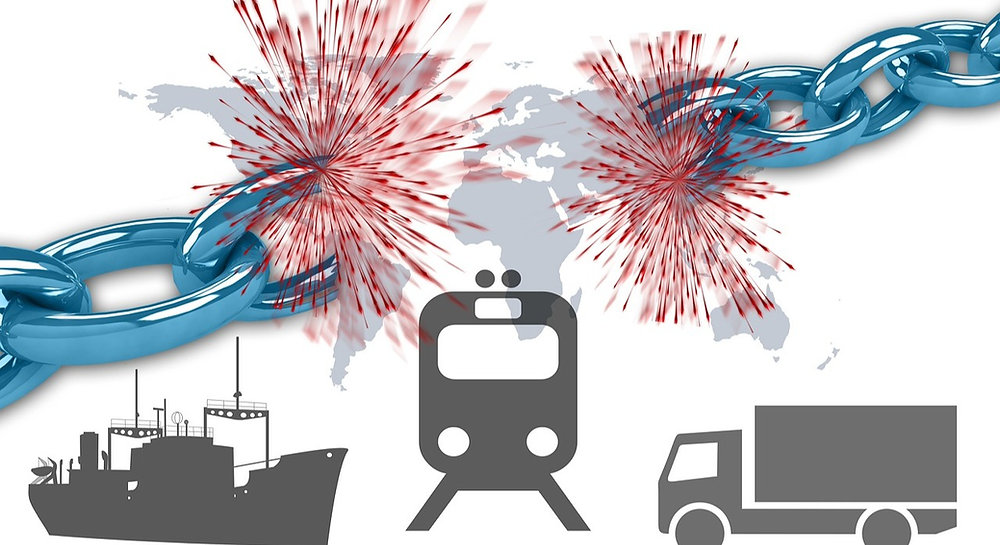
How to Combat Supply Chain Disruption in Construction
In the construction industry, the supply chain is the heart of any project. Without it, you can’t build anything as it’s the foundation upon which all projects are built and maintained. The good news is that this aspect of your operations has been honed to a science for decades—but what about disruptions? Do you know what it takes to maintain a strong supply chain during these times? And if something goes wrong with your supply chain, how do you respond effectively? Here's how: Plan ahead The best way to combat supply chain disruption is to plan ahead. If you know what you’re dependent on, and what the risks are to those dependencies, it's easier to identify alternatives or solutions. This won't prevent the disruption from happening in the first place, but it will make it easier for you to recover quickly once it has happened. Planning ahead means doing some research into your suppliers—not just who they are and how much they cost (though those things are important too), but also how reliable they are at shipping products on time and within budget. Check with them before approaching clients about using their materials and products because this will help you identify any potential risks or issues that may arise when they do not meet an agreed-upon deadline or budget. Planning ahead also means identifying alternatives—what other materials could work instead? And if nothing else works, what resources do we have access to outside of our current network? Having this kind of mindset can also help identify potential opportunities as well as threats. For example, you may stumble upon a new supplier or material that is more cost effective and takes way less time to install than what was proposed. On the flip side, you may discover through your careful interview process that the proposed supplier has a long track record of missed deadlines and budget overrun, allowing you to steer clear of a potential delay. Don’t put all your eggs in one basket The importance of diversity in supply chains is well known within the construction industry. However, it’s not always easy to know how best to achieve diversity. Below we'll discuss some of the factors that should be considered when planning a supply chain strategy and provide some tips on how to manage risks more effectively. One of the first things you should do is consider where your materials are sourced from and check what suppliers are available locally or further afield. For example, if you have a project across Sacramento or several other major cities in the US, then sourcing from different locations may suit your needs better than sourcing everything from one place only (which would mean extra transportation costs). It’s also worth thinking about whether all products used must originate from one supplier - for example, if there's an issue with a specific manufacturer or product line, could there be alternatives available? Or perhaps another supplier could develop alternative products which might work just as well but prove less risky overall because they're not made by such an unreliable source? Finally, you should think about how your suppliers will manage the risk of their own supply chain. They may have certain policies in place that help them avoid potential issues such as price increases or delays to goods but these won't be effective if they're not communicated properly to other parties who need to know about them. If your supplier has a policy in place then this should be clearly outlined so everyone can understand exactly what's expected of them in the event of any kind of disruption. Find alternative suppliers or alternative products & materials If you can't find an alternative of the same quality and price, consider an alternative product or material. For example, if your supplier doesn't have the right size of cable for a job, look for something similar that will work instead. If there isn't an equivalent product or material available then try to create one yourself! This will take time and effort but can be worth it in the long run if you're trying to save money on construction projects. Of course this isn't always possible, but there may even be a chance for you to design the required item yourself and have a local manufacturer make it for you. I've personally done this in the past with the back-boxes for EV chargers, and the result was a solution that was cheaper and better quality than what the original manufacturer could provide! You should also talk directly with your suppliers about their experiences dealing with supply chain disruptions so they can help you avoid any future issues as well as provide advice on how best to deal with them when they occur. Make local and domestic supply a priority Another important step in mitigating supply chain disruption is to make local and domestic supply a priority. We’ve talked about the importance of buying local before, but it bears repeating: purchasing material from local suppliers reduces your risk, promotes the local economy, and can have a significant environmental impact by eliminating the resources required to transport that material across great distances. Another benefit of buying local is that it can contribute to job creation within your community—in fact, some research suggests that supporting small businesses in your area could lead to up to seven times as many jobs per dollar spent than shopping at big box stores like Home Depot or Amazon. Consider repurposing or recycling One of the best ways to combat supply chain disruption is to repurpose or recycle. Not only will this save you money, it'll also be more economical and help the environment. Using recycled materials can take less energy, which means that you'll be saving even more money than you would if you were just using new materials. Consider using materials that can be repurposed or save excess material for other applications. This way, when it comes time for repairs or maintenance work on your project, there won't be any need to buy new material because you'll likely have everything you need in your warehouse! Finally, reusing existing materials will save both time and labor costs down the line—and who wouldn't want that? Having a strong supply chain is integral to construction project success—including being prepared for disruption Your supply chain is the backbone of your business, so you need to make sure that it's strong. As a construction manager, you may have a ton on your plate—but don't forget about the importance of keeping track of your suppliers and making sure they're reliable. Build strong relationships with suppliers: Building strong relationships with vendors isn't just about getting them to give you discounts or special treatment. A good supplier should also be interested in helping you plan ahead for potential disruptions in the supply chain and ensuring that everyone knows what their role is during those times. Be prepared for disruption: Don't wait until something goes wrong before having an emergency plan for dealing with supply chain disruptions (like when construction materials become unavailable because there's been a natural disaster). Have an alternate channel in place so that any necessary changes can be made quickly without disrupting schedules or causing delays on other parts of the project as well as other projects being worked on at different sites simultaneously. Don't put all your eggs into one basket: If possible, break down larger orders into several smaller ones so that if one shipment doesn’t arrive due to weather issues or road closures due to accidents caused by bad weather conditions such as snowstorms then there will still be enough material available overall for work to continue. While supply chain disruption may seem like an inevitable part of business, there are ways to overcome it. By planning ahead and being flexible, you can avoid delays and keep your projects on schedule.

3D Printing in Construction | Can It Work?
3D printing has been around for a long time, but the technology is only now beginning to come into its own. Originally used for industrial manufacturing and prototyping, 3D printers are becoming more affordable and easier to use. 3D printing is now more widespread than ever before and is being used in industries beyond plastic toys and prototypes—and construction is one of them! 3D printing is not just for toys While 3D printing is often associated with the creation of plastic toys, it can also be used in construction. For example, a team at Cornell University has developed technology that uses 3D printing and robotics to build structures out of concrete that are 10 times stronger than cement-based buildings. If that wasn't impressive enough, here are some other notable examples of how 3D printing has been used in construction over the last decade: A 3D-printed mansion was completed in China in 2016. Also in 2016, the Dubai Future Foundation constructed it's 2700-square foot Office of the Future using a 3D printer. Construction took just 17 days! 3D printers are also becoming more affordable and easier to use. With the introduction of new materials, such as carbon fiber, 3D printing is no longer confined to prototyping. It's now possible to create finished products using 3D printing technology. In addition, you can get more value out of your designs by using a variety of manufacturing techniques that are available in an office setting rather than waiting for them to be sent out for production. More affordable and sustainable, 3D printing in construction is transforming the industry 3D printing technology is quickly changing the way we build and create. This type of construction can be used to build homes, offices, and other buildings. 3D printing is a more sustainable construction method than traditional techniques. Traditional construction methods use a lot of materials and energy, with much of it going to waste. 3D printing uses less material and energy, and does not produce as much waste. Also, the speed at which 3D printers can work makes them more cost-effective than traditional construction methods, which require more time for planning and design work before work begins on site. The technology is still very new and it has not yet taken off as a mainstream method of building structures. However, many companies are starting to incorporate 3D printing into their construction processes because it allows them to build more affordable and sustainable homes. Benefits of 3D printing in construction So why is 3D printing so attractive in construction? First of all, building structures by way of 3D printing methods leads to a significant reduction in waste. This is primarily because 3D printing is an additive process that only uses as much material as is actually necessary for creating a structure. And with global construction waste totalling over 1 billion tons each year, the industry needs all the help it can get to bring that number down! Second is speed. Where traditional construction takes months and years to construct a commercial building, 3D printing has already proven that it can construct a building from the ground up in a matter of just days. Just imagine what the industry could do with such efficiencies at a large scale. 3D printing also provides an element of design freedom that should not be overlooked. 3D printing enables you to make any shape. You can bend it, make angles, or virtually any organic shape you want to, and it’s a one-to-one copy to what you designed on paper. This enables a lot more creativity and innovation in the commercial construction space. Lastly, another huge benefit of 3D printing in construction is that it can reduce worker injuries and fatalities drastically. This is due to the fact that 3D printing-based construction is much more programmable and automated than conventional methods. It's also important to consider that, despite these benefits, there still are many challenges facing the widespread adoption of 3D printing methods in construction. Supporting a 3D printing infrastructure can be quite costly in terms of the logistics and purchasing/renting the machines. The labor shortage in the industry will also make it difficult to find such highly specialized personnel to operate these printers. Many are also still questioning the end quality of such 3D printed structures and there’s also the liability aspect that may come with using printers rather than humans to perform certain construction tasks. Conclusion 3D printing in construction has many benefits over traditional methods, and will continue to grow as more people learn about its advantages. The technology is still new and needs to be perfected before it can be used on a large scale but the potential for this type of construction is endless.
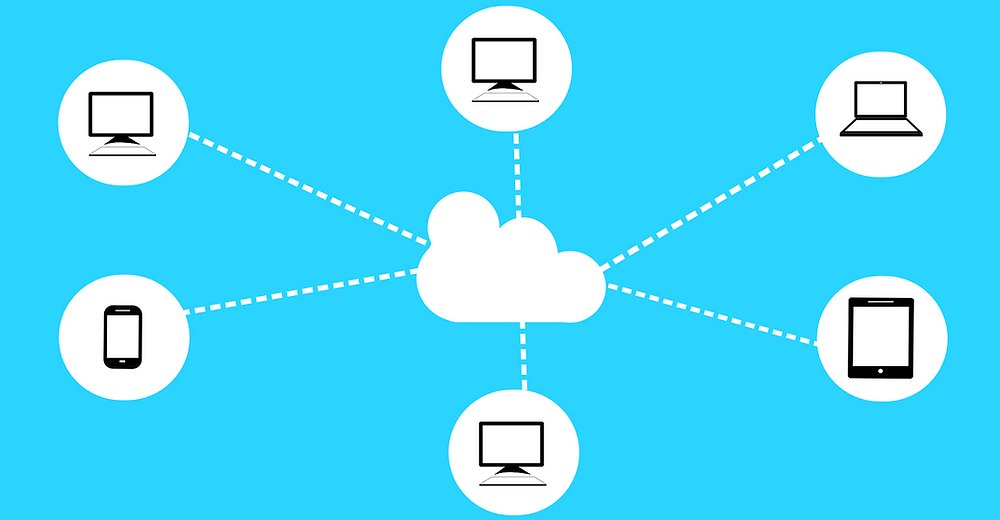
How the Cloud Is Transforming Construction
Of all the technology innovations to hit the market in the last few decades, one of the most transformational technologies in recent memory has been the advent of the cloud. Cloud technology has completely changed the landscape of many different industries including, more recently, the construction industry. Nearly everyone in the business world is very familiar with the term 'the cloud' by now, but for those of you who haven't had the chance to dive in to this ground-breaking technology yet, here's a quick (non-technical) recap: Life Before the Cloud Prior to the cloud, businesses were forced to invest in an IT infrastructure in order for local servers or computers to host their core business applications and data. This meant deploying dedicated hardware to host and run your mission-critical applications. This also meant hiring an IT team to manage, troubleshoot, and upgrade that infrastructure over time while business processes continued to evolve. This essentially meant that your data was stored locally and, in order to access that data, you would need to pass through some specific channels. For example, if your data was stored on the hard drive of a computer, you may only be able to access the data from that specific computer. Or if someone outside of your local network needed access to the data, you would need to store that data on a server local to your network and provide the employee with secure access into the network in order to retrieve the data from the shared location. Not only was this setup complex to manage but it was also prohibitive for an employee trying to do their job. The employee would need to understand the IT process involved just for them to simply have access to the information they need to perform their work. What made this worse was scale. The bigger the company, the more local architectures the IT team would need to manage and the more training employees required. Enter Cloud Technology So what's the big deal with the cloud? With the cloud, instead of happening locally, all processing, storage, and data handling is done remotely via offsite servers or data farms. The cloud has basically helped us break free from the chains of localization. All your applications and data can simply be accessed through an active internet connection. Employees no longer have to jump through hoops to access critical information. Better yet, the cloud has enabled the emergence of third-party cloud service providers, with Amazon, Microsoft, and Google all taking leading positions in this market. This means that companies no longer have to manage their own server infrastructures but can simply pay a cloud service provider to manage their business applications and data on the provider's server hardware. Cloud service providers are responsible for managing their own hardware, so customers can also completely eliminate these IT costs moving forward. The cloud has allowed companies to never have to think about running local servers ever again. That's another big headache removed. Phew! Unfortunately, construction was late to the cloud party. But the good news is companies have now realized the many benefits of the cloud for construction and have adopted cloud-based technologies in waves. There's no looking back from here. With that, I want to list out 5 reasons why construction needs the cloud: 1. Mobility Construction is a field service industry, requiring personnel onsite to complete the core work involved and deliver service to clients. So what's one thing every single field worker shows up onsite with nowadays? A smartphone. The rise of the cloud has coincided with the rise of mobile devices and these two trends have essentially depended on each other. After all, some of the world's biggest companies rely on this combination of cloud and mobile technologies as the key enabler for their business, such as Facebook, LinkedIn, and Netflix, among many many others. In construction, workers and managers travel between different jobsites and the office constantly. As a project manager, executive, or business owner, you want to receive real-time updates at all times to proactively manage risks and ensure a smooth project delivery. The cloud lets you access construction software and data from anywhere and any time. All you need is an internet-connected device like a laptop, phone, or tablet. The cloud has connected the field and the office together like never before. 2. Productivity In the old days, jobsite information had to be captured manually, such as by writing things down on paper or calling them in. This type of manual data capture resulted in wasted time, delayed productivity, and even incorrect information when things weren't recorded correctly. Often times, managers would only find out about mistakes until after it was too late, watching that bottom line shrink in front of their eyes. With the cloud, workers and managers can upload and share information, files, progress updates, and more with ease. That data can be accessed by anyone else within the organization from anywhere. All that real-time data can then produce rich and actionable analytics to help managers predict project outcomes and manage risks far in advance. This constant data feedback loop between the field and the office will continue to improve the company's overall productivity across nearly every area of the business. 3. Automation In addition to mobile technologies, the cloud has also powered the rise of the Internet of Things (IoT). IoT refers to the billions of physical devices around the world that are now connected to the internet, all collecting and sharing data. Pretty much any physical object can be transformed into an IoT device if it can be connected to the internet to be controlled or communicate information. In construction, drones and robotics onsite can be connected to a cloud backend for companies to control and receive data. Pair that with software automation such as CWA and now your cloud technology becomes the foundation for the fully automated future construction has always needed. Here's one quick example of the power of complete software and hardware automation in construction: With CWA, the software will know when workers have completed their shifts onsite, automatically record their time tracking data and trigger the drone onsite to fly around and start snapping progress pictures completely on its own. As each image is captured, the data can be stored in a folder or even sent in an email for managers to access whenever they'd like. When the drone is finished, it will simply fly itself back to home base and wait for further instruction. The possibilities are endless but one thing is clear, none of this will be possible without the cloud! 4. Profit When projects are completed more efficiently, companies end up incurring less costs through reduced labour hours, less rework, and more. This means lower costs and higher profits with each job. Furthermore, when projects take less time to complete and require less resources, companies can take on more work in a given amount of time. Cloud-powered automation can assist your team in completing work quickly and you will always have access to all the project data far in advance allowing companies to make bidding decisions with more accuracy and speed. Maximize your team's output, and you will maximize your profits. 5. Security Storing data on local servers can make it vulnerable to system damage and data theft. The local hardware can also become a single point of failure, so if anything happens to the hardware it can take everything down with it. Any events like this can be disastrous for a construction business. In contrast, cloud service providers strive to implement advanced security procedures and standards to keep client data safe on the cloud. Virtually every industry has been comfortably migrating infrastructures to the cloud over the last decade+, including industries with the highest levels of sensitive and privileged data such as healthcare and financial services. Take Amazon for example. Amazon invests very heavily into their AWS security, employing waves of world-class engineering and security experts to manage and maintain such a mission-critical infrastructure. After all, some of the world’s biggest companies run on AWS. I think Amazon, Microsoft, and Google may know a thing or two about security. Final Thoughts The construction industry is one of the best use-cases for cloud technology out there. The cloud is helping construction increase mobility, productivity, automation, profit, and security. The benefits are simply undeniable at this point. For any companies that have still not adopted the cloud, beware of the risk that your competitors will very likely leapfrog you very soon. Time to make the switch as soon as possible, don't wait.

5 Steps to Successfully Introduce New Technology to Your Team
People don’t like change. This statement couldn't be closer to the truth, especially in the construction industry, where companies consistently struggle with onboarding their employees into new technologies and systems. Before we get started, it's essential to understand why most change initiatives, such as introducing a new technology into your organization, often fail when it comes to adoption and overall satisfaction. In fact, according to some studies, more than 70% of change initiatives fail! No wonder why organizations struggle with the thought of having to onboard their employees with new systems. Below I’ve listed out a few of the common causes for a failed implementation, and later I will describe a few steps you can take to change the odds in your favour. Common Causes for Failed Adoption The technology is too complex Does not integrate with existing company software solutions There is no clear value proposition or problem being solved It is not mobile-based or user-friendly Poor training and support Disgruntled or habit-oriented individuals act as roadblocks Not enough notice or collaboration prior to implementation As mentioned above, complex technologies such as large enterprise resource planning systems (ERP), are often extremely vulnerable to failure due to their complex nature and the number of layers involved in their implementation. These systems are typically housed locally on company servers and often require expensive equipment and constant support compared to their cloud-based counterparts, such as OnTraccr. Combining complicated ERP systems with some of the other common causes of failure shown above typically leaves users with a bitter taste in their mouth. Employees expect workplace technology to be as portable and easy-to-use as all the other apps they’ve grown accustomed to using on their smartphones. This is proving to be even more of a concern now with the pandemic, as workers are often finding themselves frequently moving between their home, the office, and the job-site. Despite this struggle in adopting new technologies, the majority of us, in fact 78% of us, typically feel that adopting new digital technologies into our organizations will become a critical exercise within the next few years. So how can you successfully roll out new technology to your team without experiencing the common roadblocks and growing pains that typically accompany most change initiatives? Following the steps in the framework below, organizations will go a long way to successfully implementing new technology strategies. 5 Steps to Successfully Implement New Technology 1. Look for Solutions to Real Problems You're Facing Technology solves problems. Therefore, it is essential to consider a new technology only after you’ve successfully identified a problem or inefficiency. Be sure to talk this through with all involved stakeholders and let them know you’ve identified the best technological solution for the known issues. This stage is critical as it allows you to communicate this change with all of your employees right away, making sure it’s clear to them exactly how it will solve the problem and make their lives easier. Communicating your intention early on is essential in making sure this is something that will not just benefit you, but the entire organization instead. Gaining insights from your employees at all levels early on is so underrated! Not only will you increase buy-in from the onset, but you’ll also have the opportunity to create ‘ambassadors’ for the new technology - this will greatly help with implementation later when adoption is at full force. For an example of how to focus on one key role and uncover solutions to their problems, check out our deep dive on field supervisor challenges here. 2. Develop a Detailed Onboarding Plan Now that you’ve locked in on a software solution for adoption within your organization. The next step is to come up with a detailed plan on how this solution will be implemented within the organization as well as everyone’s roles and expectations throughout. There are some important questions you need to answer during this stage: Who will be responsible for selling the solution to internal stakeholders? Who will drive implementation? Who will be the direct contact with the vendor? What is the onboarding schedule? What is required to happen to consider a Pilot successful? This is also the time to assign a technology expert within your organization; someone who can champion the efforts required to roll out the new software. Furthermore, depending on the size of your organization, you might want to detail out the phases that will occur from start to finish. Common Phases for Onboarding New Technology: Assess how the software’s capabilities fit in with current workflows Educate all stakeholders on the software’s capabilities and expectations Assemble an implementation team Appoint an internal ‘champion’ or ‘expert’ Migrate existing data into the new solution Employee training Testing and validating workflows Pilot program (with select groups) Full program launch (after successful Pilot) Initial review Feedback loop for further refinements Periodic system evaluations 3. Run a Pilot Program Every change initiative has a learning curve associated with it. The steepness of the curve is not only dependent on the ease of use of the software, but also on the team & plan involved in implementing it. To help smoothen the transition, a pilot program is typically used to work out the kinks and gain buy-in across organizations. Pilot programs can be thought of as a controlled experiment which typically involves only a handful of your employees. In construction, this is usually done with a single crew or project team. The purpose is to test out all the workflows that employees would be expected to perform on the new application. You’ll likely find there are a few kinks that need ironing out, but once all of them have been resolved, you’ll be confident in rolling this out to the rest of the organization. In this step, it's important to find the right technology partner/provider who will even offer you a Pilot program in the first place. If your technology partner does not offer a Pilot program of some sort, consider this a major red flag. This means the technology partner doesn't truly care about your team's use of their products, but they care more about the sale instead. Avoid working with these types of providers at all costs! At OnTraccr, we believe strongly in Pilots because it means giving our customers a proper chance to implement our solutions in the most organic way possible. We take the time to partner with each and every one of our contractors to ensure that our technology is actually helping them. Why? Because we care. And that's the way it should always be! 4. Get Everyone Trained on the New Tool Training can be expensive. This is the stage where certain technologies set themselves apart from others. Ideally, the technology you’ve chosen is user friendly, requiring minimal 1-on-1 training. Unfortunately, not all technologies out there are as easy to use as Ontraccr, so it is essential to consider the training involved when evaluating different platforms. Below you’ll find some useful training tips to minimize confusion and resistance: Tailor the training sessions to all types of learners by offering a variety of learning options. Speak directly to each employee and let them know how the technology will impact their unique day-to-day routine. Separate training sessions for different role types (e.g. field team vs. office team) Encourage employees to provide feedback at every stage of implementation. Don’t underestimate this step. Training can make or break the adoption process, so it is essential that you don’t overlook the importance of creating a proper training plan. Some vendors, such as Ontraccr, provide free ongoing support and training for organizations who adopt their platform. That is why it is key to have conversations regarding training early on with your vendors - to avoid being caught off-guard at the end during the most critical stages. 5. Launch! After running a successful Pilot and getting all stakeholders trained on the new system, you should immediately shift the focus to gathering feedback. Ideally, companies should assign one person to keep track of the new technology's performance over time. This should be feedback driven, where comments and suggestions from all stakeholders are given equal importance and priority when it comes to evaluation. This helps create a positive culture, which is essential in implementing a new technology. Finally, when there is some resistance to the change, it is important to remain empathetic. The needs of your employees during the technology's implementation should remain top priority, as you’ll find a positive culture will help speed along the implementation. Final Thoughts Challenges while trying to introduce a new technology into an organization are all too common. By incorporating the tips above, while trying to sympathize with those that struggle with change, you will go a long way in successfully rolling out your new technology strategy. If you're interested in learning more about construction workflow automation and how it can help your team, book your demo here!

5 Tips on Improving Your Project Estimates
Estimating projects of any size can be a very detailed and cumbersome task. Adding to the pressure is the fact that nothing can affect the profit margin more than the initial estimate. Therefore, it is extremely important to be as accurate as possible when estimating costs for a project, and it all starts with understanding the full scope to ensure everything is accounted for. A scope statement, typically found in the bid package, defines the project’s scope and describes the specific tasks, key stakeholders, milestones, deadlines and other information that is required to make the project successful. Clearly defining and documenting the scope of a project helps your team account for all of the work that needs to be completed so you can accurately estimate costs and set a well thought-out project plan. It also enables your team to guard against ‘scope creep’ throughout the project lifecycle, allowing you to deliver against what you’ve promised to clients but also get paid for work outside of your agreed scope. Defining the project scope should be the first step in your project estimating process. Below I’ve outlined some tips to help you define and manage scope before you begin working on a new project. 1. Ask the ‘Right’ Questions The more you know up front, the better. Oftentimes your client isn’t an expert in your field and won’t know what information you need in order to produce an accurate estimate, making it critical that you be proactive and ask questions. If you're working on a design-build project, lean on your expertise to drive the conversation and uncover exactly what the client is expecting from your services. Does the client also require new faucets, or additional landscaping? What are the technical specifications you need to deliver (electrical, security, audio/visual, etc.)? How will you measure success? Who’s contract is it to install the security wiring? You should ask questions that will enable your team to understand the specific tasks that will need to be completed and when, but also help your client ensure that there are no gaps in the scope. It is also very important for you to establish all client stakeholders and decision makers, and identify potential risks that will impact project delivery. Being proactive like this helps ensure a seamless process. The information you gather while defining the project scope will vary depending on your specific industry or project. However, it’s helpful to put together a standard list of questions that can guide your discovery sessions with clients. Use these general questions as a starting point when building out your list: What is the overall goal for this project? What type of project is this? Is it a special type of build, or more standard? What is the project deadline? Are there any key dates or milestones to be aware of? Who are the key project stakeholders and decision makers? What are the obstacles or risks that might impact project delivery? Have you done this type of project before? If not, who can I speak with to learn about their experience(s)? Who are the other bidders/competitors for this project? The answers to these questions will reveal important background information on the project that will inform your company on how you plan your resources and help to prepare your cost estimate. 2. Outline What’s Not Included in the Scope Clearly communicating what is not included in the project scope is equally as important as outlining what is included. Different stakeholders will have different assumptions about the “standard” set of activities that will be included in any engagement. For example, if your company is working on a built-in smart home automation project, your client may expect that training family members and offering ongoing support is part of your service offering. Your estimation, however, may only account for the service ending immediately following the installation of the system. Specifically addressing what deliverables are outside of the project scope will help clear up any potential misunderstandings that may cause unpleasant surprises down the road. Not only will this help you develop a more accurate estimate, but your clients will appreciate it too! As you continue to work on similar projects, take note of the type of questions that your clients ask while setting project scope (such as, “Is ____ included in the package we’ve chosen?”, “Does your team also offer ____ service?”, “How much extra would it cost to include ____?”). When you’re beginning a new project, use this list to proactively clarify with your clients what will and won’t be included in the engagement. Making sure that you and your clients are on the same page from the beginning will help you minimize scope creep and estimate project costs as accurately as possible. 3. Empower Your Project Team to Identify and Manage Scope Creep Once you’ve taken the appropriate steps to fully define and document project scope with your client and have also gone over all contract documents, it’s important that you involve your team to help your project stay on track and prevent scope creep. Scope creep can increase project labor costs and negatively impact your profit margin. If not caught early, this can lead to devastating losses that in many cases are irrecoverable. A lot of write-offs occur when there isn’t a culture of putting your hand up when you notice work is falling outside of scope. Creating a culture where your team feels comfortable to raise their hand if work is falling outside of the agreed-upon scope, and flag if work needs to be re-priced, can have a massive impact on your ability to deliver a project close to or under the estimated value. Prior to beginning work on a project, meet with your team to explain what work is to be delivered, the budget hours allotted for their work, their corresponding base rates, and how to inform management if/when scope creep takes place. A scope document should be made available to all members of your project team, with regular updates taking place during weekly or monthly meetings. 4. Be Proactive About Material Quotes and Fluctuations Material prices change, so it is essential to pay close attention to factors that can affect pricing when estimating costs. Based on the project duration, you may need to ask yourself the following questions to ensure all potential changes are accounted for. Do you have specific delivery challenges? Is the product or material a custom order? Is demand high for a specific material or product? Do you need the product or material faster than the manufacturer’s normal turnaround time? If so, what are the costs to expedite shipping? Are there seasonal roadblocks that dictate logistics and adjustments to price? It is also key to understand material availability and any potential scheduling delays that will have cost implications if you don't order the materials on time. If products will have a long lead time, consider this when bidding and know you'll need to plan accordingly during construction. Similarly, are there products specified on the project you're not familiar with? Perhaps the architect has selected prefabricated components or modular products that you’ve never purchased before. Understanding how these products are installed and the labor needed (or not needed if certain components are prefabricated) could have major cost and schedule implications you'll need to factor into your estimate. 5. Utilize a ‘Bid Board’ Estimating a project requires you to track down multiple vendors for quotes, all while ensuring the information is received within the required timeframe. This means you have to be efficient with when and who you ask for the relevant information, and also be on top of them to make sure you have it whilst still giving yourself time to evaluate it before submitting the bid. This process is often balanced with managing active projects as well, so it’s easy to see how so many PMs or Estimators can feel rushed under pressure, leading to costly mistakes or omissions. This is why it’s essential to standardize the estimating process and create a tracking board for your estimates. This can easily be done with the use of a kanban board such as the ‘Boards’ found on OnTraccr. Through the use of a bid tracker, everyone is able to see exactly what stage an estimate is in, eliminating any information silos that normally exist. Estimators are also able to track their estimates from all stages and set reminders to follow up with suppliers automatically. Finally, using a bid board gives your team a way to gauge on estimating load, and allocate bids more efficiently to members who may be more able to take on the load. Final Thoughts As much as project estimating can be a cumbersome process, it is very important to iron out all the specific details and ensure that you have the full scope of the project. If there are things you are missing within that scope or certain details that are not specific enough, your company can be losing out on profits. Creating an environment where workers are willing to call out scope creep is crucial to the success of any project. Finally, as material prices fluctuate, you should be aware and plan accordingly to account for anything that might change the scope of a project. All of these tips will ensure that you can always maximize profits on all your projects.

4 Ways to Attract & Retain Young Construction Talent
Young talent is very tough to come by in construction these days. The emphasis on college and university degrees has led young people away from trades and careers in construction. While these jobs may not be as desirable to some, having a career in construction can result in many great financial opportunities while also becoming part of a fantastic construction community. But at the moment, these construction careers are not as heavily pursued as they used to be and construction businesses need strategies to combat this. Moreover, not only will you need to attract young workers to your team, you have to get them to stay and that can often be the hardest part. In order to make construction more attractive to the Gen Z and Millennial generations, it's vital to leverage technology as much as possible. While at first that statement sounds a bit ridiculous, if you really stop to think about it, younger generations have been exposed to rapid technology advancement throughout their entire life. But technology alone won't be enough to attract and retain a younger generation of workers, so without further ado, here are 4 key strategies you can use to do just that: 1. Allow Smartphones on the Job Site I'm going to go ahead and preface this first strategy by acknowledging the fact that allowing smartphones on the job site may not be suitable for every construction business out there due to regulations and any other potential concerns. But the point remains the same: be comfortable with your employees using their smartphones. Period. Allowing workers to use their own phones onsite for all job activities can significantly improve your productivity as well as profitability. But if this option doesn't work for you, you could even provide company phones or deploy a shared laptop/tablet that workers can use onsite. If you consider the average young person's habits today, one of the first things that'll probably cross your mind is how often they use their smartphones. It's important to remain open-minded and understand that young people can do great things with technology. They will find innovative ways to use their devices and they may even help develop new job strategies that make work more efficient. They also want to be using the most modern technologies in any work environment. If you want your business to stand out among the large sea of competition out there, you need to incorporate technology and this includes phone usage. Adding phones and other technology like computers can be super important to attracting and retaining young talent. This should be a key selling point when hiring young talent as they know they will be using technology that they are comfortable with and these devices will allow them to complete their jobs efficiently. 2. Use Modern Field or Project Management Software When you combine smartphones with powerful software, young workers will see your company as leaders in the industry. Technology is what young workers are looking for. They don't want to use old and inefficient methods such as pen and paper, or software that looks like it belongs in a museum. If young workers are able to easily access documents and files, track their hours worked, provide progress updates easily, and do everything that's required of them on their own devices, they will do their job much more efficiently. The construction software that you use should be designed in ways that are similar to the apps young workers already use in their daily lives. If we think about all of the apps that young people use, they are incredibly user-friendly and innovative. Apps like Snapchat, TikTok, Twitter, WhatsApp, Instagram, Facebook, and even Slack, are all commonly used by young people. You want to pick a construction software that incorporates some of the features that these apps offer so that young people will have an easier time using it. If you invest in a software that is too complicated and expensive or an app that is not very attractive, young workers might not be so inclined to join your team or stick around. Make sure that you pick a software solution that will make young people comfortable and ease their transition to the job. Modern, user-friendly software is key to drawing in young workers and getting them to stay for the long run. 3. Use Social Media Social media is a huge part of our digital world. In order to stay on top of what young people enjoy and what would attract young workers, having a social media account for your company is a very important strategy to implement. Young people spend a good amount of time on social media, whether it is networking, posting pictures, promoting a brand, or just simply scrolling for leisure. So if you want to be an employer and a company that is relatable to young workers, you should create a company social media account to share behind-the-scenes footage of what a day in the life of someone working at your company is like. You can even select employees to highlight their day on the job via stories. For more tips on how to implement a good social media strategy, click here. 4. Provide In-House or Paid Training The final strategy I would recommend is to provide training. This would include paying for training or having in-house training you could provide. Young people in particular will look for leadership training which could be beneficial to your company. Training could also include anything that would help them advance in your company to take on larger roles. You can help them develop into a future supervisor or manager. In order to make construction and your company attractive to young people, providing any kind of construction training or professional development will encourage young talent to work for you and stay for the long run. While this is not a technology-based strategy, this can be very beneficial in attracting young talent to work for you and retain them as they work through the ranks in your business. Final Thoughts Times have certainly changed in construction. With the younger generation moving into the workforce and the lack of young talent that is in construction, you need to make sure that you and your company keep up with the times so that your business can continue to be successful. The most important thing you should take away from this article is that having modern and user-friendly technology will give you a leg up over your competition, not just in terms of profitability but also when it comes to recruiting.

6 Ways to Fight a Recession in Construction
Between 2007 and 2013, our last major recession, over 2 million jobs within the construction industry were lost due to layoffs, early retirement, or workers leaving for better opportunities. To make matters worse, while other industries bounced back quickly after the recession, construction took on a much slower recovery curve. Several contractors, who were hanging on for dear life hoping for better days, were left hanging for years waiting for the industry to pick up. Amongst this chaos, over 150,000 contractors lost their grip and were wiped from existence, making the construction industry one of the hardest hit during this time. If it isn’t immediately apparent, we are heading in a similar direction right now with rising interest rates, stock markets turning bearish, and inflation at its highest in 40 years with Canada at 7.7% and the US at 8.6%. This is why it’s so important to not be caught off guard and do whatever you can to prepare for what is to come. Below I’ve highlighted 6 tips you should follow to help ensure your company is as recession proof as possible going into this bear market. What It Means to Be Recession-Proof Before we get into what you should do, it’s important to understand exactly what it means to be 'recession-proof'. Typically this means that either the industry or company is critical to the sustainability of society, no matter the size or type of crisis. It’s easy to see why this is the case by observing the different categories that they fall under as seen below: Essential Commodity Suppliers - This includes grocery stores, drug stores, and gas stations. Essential Maintenance or Repair Services - For example, vehicle mechanics or healthcare services. Companies Providing Public Work Services - Examples of these include utility companies such as electric and gas. Counter-Cyclical Companies - These companies actually thrive during the recession as their business model is such that business is booming when others are suffering. Examples of this include debt collectors, and bankruptcy attorneys. Discounted Pricing Companies - These thrive in a recession due to their low cost offerings such as dollar stores, fast food chains, and big box retail stores. As you can see above, most construction companies don’t fit under either of the above categories, so for them to be truly recession-proof is more about mitigation than prevention. This is why it’s so crucial for contractors to develop a strategy for succeeding during hard times, where jobs and good help are hard to come by. Following the tips I’ve highlighted below is a great way to set your company apart from the competition and give yourself an extra lifeline during this next economic downturn. How to Survive a Recession 1. Prioritize Cash Flow When you think of the reasons why construction companies fail, a lack of cash flow is usually the number one culprit. This problem is amplified by the presence of an economic recession, so it’s even more critical that you keep the cash coming in. Contractors need to prioritize saving money in preparation for sustaining themselves if they are caught without work for a period of time. Not only that, it’s important to continue to keep up with your invoices and take advantage of any discounts that can be obtained. Be careful to not be caught up in the bulk purchasing trap. Bulk buys during a recession should be carefully planned and thought out as they can easily eat away at your cash flow, especially if the jobs that the material was supposed to be used on go cold. 2. Fill Your Backlog Regularly Oftentimes contractors get too comfortable with not actively pursuing projects and jobs as they usually have a steady backlog from their existing client base. This is a huge mistake during a recession as those clients will also be affected, meaning work from them will slow down drastically. To avoid this dependancy on your backlog, make it a priority to establish a strategy for picking up new work and projects no matter how large your backlog is. This alone can save your business and prevent the mass layoffs that are often seen during these hard times due to lack of work. 3. Keep Hold of Your Best Employees! I know this one may seem obvious, but oftentimes our best employees are also the best paid. This means that in an effort to reduce overhead, many contractors reluctantly think this is the only way to survive, and in some rare cases this is true. The problem with this approach is that good help is so hard to find in the construction industry. In this upcoming recession, inflation is at its highest in 40 years, meaning the things that your money could afford are now slowly becoming more and more expensive. As a result, the quality of your employees' lives is changing for the worse. To counteract this and avoid key workers jumping ship for higher wages, it’s important to talk to them and see where their heads are at. Show them you care, and offer them higher wages to combat inflation and its effects. This may seem counterintuitive at first, especially when you’re looking to trim the fat and cut costs, but it is definitely the right way to go because I guarantee you that you will lose more money overall with subpar help that isn’t as efficient or experienced. This way, when a project comes along, you’ll have your best crew available, allowing you to squeeze out as much profit as possible. 4. Establish a Clear Cost Tracking System Profit margins are notoriously thin in the construction industry, especially during an economic downturn. Therefore, you can really shoot yourself in the foot if you don’t know exactly where your money is going at any given moment. That is why it’s so important to have a detailed job costing system in place, especially one that can provide you with deep insights into where you are spending your money, and where it can be improved. The more details you know about your labour and materials spend, the better you position yourself to make the hard decisions you need to make to keep your business going for the long term. This is usually extremely difficult to do without the use of a construction management software such as OnTraccr. If you haven’t already done so, I strongly suggest that you think long and hard about digitizing your current workflows so that you can easily scale your business up and down at any given moment without needing to hit pause on operations to see what is even possible. 5. Cut the ‘Fat’ This tip is one that you always try to avoid but often needs to happen in order to ensure your business can survive. This is when you need to sit down and figure out which employees are not performing at a high level, and cut them loose or lay them off. You may also need to sell some of your resources such as extra equipment or supplies in order to make ends meet. This definitely takes serious consideration and a variety of variables can come into play when making this decision. Therefore, make sure to discuss this with your team and create a plan for how things will be handled when things turn around. Communication during this step is key to keeping morale up. 6. Double Down on Your Strengths What sets you apart from your competition? During a recession, it’s crucial to know your strengths and double down on them when trying to secure new work. You also need to make sure you follow through on what you promise now more than ever, because you never know when that customer will come calling again due to the exceptional level of service they received from you. This tip will not only improve your business, but it will also carry long term benefits that you can carry with you moving forward for years to come. If you’re struggling to identify your strengths and weaknesses, just ask your customers! Make it a habit of having them review your work and your team to ensure that they are up to standard, and ask them what they like about working with you. This should be done on a regular basis whether you’re a service-based company or one with longer term project contracts. Conclusion If you find that your construction business is struggling or already having issues, a recession is only going to make things worse. Now is the time to work on things like creating job costing systems, monitoring your cash flow, increasing productivity on projects, and improving how efficiently things are done. Using construction workflow automation software can be a huge help with this as it allows you to digitize your workflows and add layers of automation on top so that you can have a tightly tuned machine running in the background which allows you to make hard decisions at any given moment without the need to panic.

5 Steps for Creating an Effective Construction Communication Plan
Communication (or lack thereof) in a construction project directly contributes to how much money every contractor makes on the project. The reason communication is worth emphasizing so much is because I’ve seen firsthand how smoothly a project can go if the right systems and channels are in place. On the flip side, I’ve also seen the other end of the spectrum where a ‘quick and easy’ project turns into a nightmare that no one wants anything to do with because of the constant delays and lack of communication - ultimately resulting in sinking profits for every party involved. Communication can singlehandedly make or break a project, therefore it is essential that you take every measure necessary to ensure that you have a strong communication plan in place PRIOR to starting construction. A white paper produced by KPMG stated that the effective management of major projects relies on three key concepts: Early Planning & Organization Stakeholder Communication & Project Controls Integration Continuous Improvement If it wasn’t already clear: the absence of a communication plan leads to key stakeholders not being on the same page, ultimately resulting in errors and omissions throughout the project lifecycle. This will not only affect your budget but also potentially set your project back in time as well. To avoid this, I’ve outlined some steps you can follow below which allow you to generate your own communication plan and hopefully execute it with the help of some kind of construction management software. If you’re struggling to find one that matches your exact needs, try looking for ones that utilize Construction Workflow Automation (CWA), as they tend to be more flexible and allow you to match your exact workflows onto their platforms. Creating a Communication Plan in 5 Easy Steps 1. Identify ALL Stakeholders The first thing you need to do is decide who all the stakeholders are for your project. This will determine who needs to be involved in the communications at any given moment and will dictate the best way to facilitate the flow of information. Some of you might be wondering... what exactly is a stakeholder? Stakeholders can either be internal or external to the project owner's organization. Typically, internal stakeholders are those in the command center in charge of developing and approving the spending of the project budget. On the other hand, external stakeholders are a category which usually consists of the following roles: consultants, engineers, contractors/subcontractors, equipment vendors, labour/staffing organizations, community groups, regulatory and public inspection agencies, utility companies, operators, users, and others who may be involved in the project in some form. A quick and easy to way determine if someone is a stakeholder in a project is to see if they have any of the following interests in the project: Approval - They are involved in the approving of the development and use of a project such as reviewing shop drawings and spec sheets to ensure they meet project requirements. Financial - They are paying for all or a part of the project cost. Resources - They provide resources such as labour, material, equipment, and even facilities. Users - They are involved in receiving or using a project after it has been completed, or in some cases even during. Community - They are either reaping the positive benefits of the completion of a project such as employment or increased sales, or possibly even the negative ones such as loss of property/access or decreased sales. As you can see, it can be extremely difficult to cater the project reports and communications to meet all the needs and requirements of every unique stakeholder since they all care about different aspects and they may be involved in the project at different stages of its lifecycle. We’ll tackle this issue later on in the article. 2. Decide on All the Communication Items After you’ve spent some time listing out every stakeholder for the project, it’s now time to start mapping out every communication item that each stakeholder needs to be made aware of. Communication items can include anything that needs to be communicated throughout the duration of a project. These can be anything from problems on the job site, inspection reports, milestones, changes, and safety incidents to name a few. Every project is different and therefore the items that you decide are important can vary from project to project. Despite this, I believe that there still are a few core construction items that everyone should definitely consider: Progress Reports Project Changes (Change Orders, Site Instructions, As-Builts, etc) Major Milestones & Achievements Project Timeline (Planned vs Actual) Project Budget (Estimated vs Actual) This list is not all-inclusive by any means, and you should take the time to also consider the irregular items such as weekly reports, meeting minutes, delivery updates, and anything else that could potentially affect any single stakeholder. The idea here is to list out EVERY single item that will need to be communicated at any given moment in the project. 3. Collaborate on the Communication Channels & Methods Once all the items of communication have been laid out, it’s now time to decide how best to communicate each of these items to the stakeholders. Not every stakeholder may need to be informed of every construction item, but it’s often a safer approach to let the stakeholders decide what is and isn’t important, especially if you’re not sure if they need to see the information. Therefore, a common practice is to include all stakeholders on major project items like plan changes, ensuring that every single stakeholder has an opportunity to update their current plans, even if you think it might not be relevant to them. Some common examples of different communication channels include: Email - This is typically used for day to day communication for providing daily or weekly updates. Only problem with this approach is that it relies on the stakeholders actually reading and understanding the email the way it was intended. In-Person or Digital Meetings - These are more appealing and are typically for milestones, project updates, and design meetings. This allows for a greater and smoother experience to strengthen collaboration from all stakeholders. On-Site Meetings - These are usually a regular occurrence for field teams, but also apply to office staff as it helps them go see the project and connect with their workforce to see firsthand the challenges of construction. These meetings are also ideal for inspections. Digital Messaging - This can be very quick and efficient depending on what platform you use to communicate. Typically these types of channels allow you to quickly communicate with stakeholders either individually or to all of them via a broadcast message. The only problem with these methods is that they rely on everyone actually monitoring and having easy access to the communication channel you’ve selected, which isn’t always easy and intuitive for them to keep track of, especially with the traditional ways of communicating these. We’ll tackle how to prevent this problem in the final step. 4. Put It All together It’s time to now put it all together. At this stage, you should have a list of every stakeholder and every communication item that will be sent to them. As an organization, you’ve also decided on the channels of communication you will be using to communicate these items. Before we can get to the final polished plan though, you’ll need to draft it up first. This can be done on a spreadsheet relatively easily as seen below, or even through the use of a construction software like OnTraccr through the use of its innovative ‘Boards’ feature. The idea is to create a legend which clearly illustrates the following: Stakeholder name Stakeholder Title Category (Optional) Communication Item Name Frequency of Communication Method for Communication Special Notes 5. Find a Software Solution to Make Your Life Easier As some of you may already know, laying out and creating a draft plan is just the start. The real work and effort comes into actually creating and setting up the machine that will help you put it all together. Traditionally, this is where communication strategies fail. Stakeholders are usually never on a platform that encourages collaboration, mostly due to the fact that they themselves see little to no value in paying for the platform's fees. Especially if it’s been thrown onto them by a GC, who may not care to ensure the platform also covers all their subcontractors' workflows and needs. To counteract this, I believe that the best way to consolidate all these channels and put your communication plan on autopilot is to collaborate with all the stakeholders and collectively agree on a software solution that works for everyone. This has been challenging and next to impossible in the past since there usually isn’t a software that can benefit every stakeholder to the point that they all WANT to use it! Thankfully, this isn’t the case anymore with the introduction of Construction Workflow Automation (CWA). With CWA, contractors of any size and type are able to recreate their current workflows within the software platform, ultimately allowing them to put major aspects of their business on autopilot. This eliminates missing or siloed information, and ensures that every stakeholder will have all the information the second it is updated. Alerts, notifications, and emails can all be sent automatically, further eliminating common problems such as human error. The Final Stretch I know it can seem like a daunting task to create a communication plan for a project, but I promise you that it's actually easier than it seems. The more you do it, the faster it becomes. And you’ll be able to utilize and access your past plans to speed things up for the next project. It really is as easy as setting aside 2-4 hours in a week to sit down and identify all your stakeholders and communication items. You can share this list amongst your project team to make sure you’ve identified everyone and, after it is finalized, all you have to do is put it together onto a spreadsheet or perhaps something more playful and visual like a kanban board. Once again, share this plan amongst your team to gather feedback and then set up a date to finalize it. If you utilize a construction software platform such as OnTraccr, you’ll then be able to invite all your stakeholders to the platform and set up all your communication channels in one easy place, whilst sprinkling in some automation to ensure the machine is always running smoothly.

4 Ways to Improve Your Marketing Efforts | Construction Marketing
Creating marketing strategies for your business is crucial in order to attract new business opportunities and increase your bottom line. As a construction business owner, operator, or manager, you understand better than anyone how hard your team works to complete projects and represent your company well. But without effective ways to market your business, you might not be maximizing the amount of exposure your business is getting and this could be blocking your growth. In this article, we will discuss 4 ways to market your construction business effectively at little to no cost. With these methods, you will soon be reaching a larger audience of potential customers to improve your business outcomes and increase your brand awareness. 1. Create a Compelling Website The very first thing you should do is create a modern website for your business. I emphasize the word modern here because, unfortunately, I've seen far too many construction businesses still maintaining terribly outdated websites. Remember that your company website is your most important marketing asset because, without a well-designed website, your customers simply will not understand what sets you apart from the large (and growing) sea of competition. What better way to stand out than by wowing prospects with an impressive website design? First impressions are key! While it's easy to create a free website nowadays, I would recommend setting aside a small budget towards producing a great, professional, and modern website experience. Ultimately, this will make a huge difference in your customer's experience and do a great job of representing your brand. Whether you hire someone else to help create a new website or you do it yourself, you want to make sure you cover the basics of good website design. What Your Construction Website Should Include Photos and Videos When working on any jobs, make sure your team takes photos and/or videos of the before and after. You want your website to showcase your absolute best work! Customer Testimonials Testimonials should also be an important part of your site. If you ask your past customers to sit down for a brief 30 minute interview to discuss the work you have done for them, you can add some powerful quotes to your site to provide positive social proof of your services. Testimonials add authenticity to your website and potential customers can feel confident in picking your company when they know you have done a great job for others. Pro tip: Ensure that the website is mobile-friendly. Web traffic from phones makes up a large amount of all web traffic nowadays so it's important that you can provide a clean and easy-to-navigate mobile experience. 2. Run a Blog One of the best ways to engage with your target customer base and attract new clients is by creating content. A blog is an example of an effective content marketing strategy as it is a way for your team to produce some great written content for your target market. Your blog can include any content that is relevant to your customers or partners. You can write blogs that outline past projects and describe them in detail. You can also talk about construction news or provide insider knowledge that you may have. A blog does not have to be hard work either, you can spend an hour quickly outlining a project that you have first-hand knowledge in to further promote the great work your company has done. Running a blog can be a really effective strategy as it creates a place for your customers to consume your brand's domain expertise. Once again, it can build trust in your customers if they see that your business is knowledgeable in your specific field or market segment and can get the job done properly. But the most important thing to keep in mind when running your blog is that you must be consistent and frequent. I've come across way too many poorly-run construction blogs that think they can get away with posting just once every few months. Content marketing requires constant content creation. If you're not willing to invest the time and/or money to maintain that consistency, there's almost no point in creating a blog in the first place. A low volume of posts will not create any meaningful traffic to your website and this will just end up being a pure waste of time and money. Based on my experience, you will need to produce at least one post every 1-2 weeks for 6 months before you start seeing any meaningful results. But once the wheel is turning after those first 6 months, boy does it work! Pro tip: When posting blogs, be sure to add some nice visuals/images throughout each piece of content. Blog posts that are too text-heavy will appear dry to the audience and most readers won't stay tuned in until the end of the post. 3. Leverage Social Media Being able to promote your brand through social media is something that takes time but with consistent posting and providing content that's relevant to your followers, you should see more customers reaching out. The best part about the social media channel is that it's completely free to create accounts and post, so it can be a very organic way to attract clients. There are plenty of social media platforms out there and you need to find the ones that make the most sense for your demographic. For construction, the best platforms would be LinkedIn, Twitter, and Facebook. Having accounts on all of these platforms ensures that you will be targeting all potential audiences. Experiment with each of these and see which ones produce the best results for your company. From a content perspective, you want to post about a variety of things. For example, you should be posting photos and/or videos of your successful projects. Social media is a great way to quickly catch the eye of a potential customer after a job well done! Other pieces of content you could post are: Construction news Holiday posts Testimonial pieces Company culture & announcements Promotional posts Anything else you would consider relevant to your audience Not only can you use social media to post about past projects and other content, you can use it to engage with customers as well. Always respond or react to comments made on your posts as it shows that your company is active and willing to engage with your audience. Furthermore, you should comment on other posts or content that is targeted at your same customer base. By doing this, others can see your comments and check out your business. If you don't have time to manage your social media accounts, consider hiring a student intern or designating someone on your team to do it. There are many students out there who are looking for opportunities to run social media pages to boost their resumes so you might be able to find someone willing to do it for a small fee or even for free. Pro tip: DO NOT OVER-ADVERTISE! The point of your social media pages is not necessarily to advertise. Instead, you want to think of it as a way to build an online community around your company. Your audience won't continue to follow you if all they see from your company are ads and promotional posts. A good rule of thumb for a strong social media presence is to make sure promotional posts don't make up more than 10-20% of your posts. So be sure to mix in other helpful or interesting content to keep your audience engaged. 4. Advertise on Search Engines and Social Media The last method to improve your marketing efforts is to try some online ads in the form of google and social media ads. If you are willing to spend some money to create ads that can help build awareness for your brand and drive more customers to your website, online ads are the perfect place to start. Google ads provide a variety of ad types including search ads. With search ads, you can target an audience that is within your region and looking for the services that you provide. For example, if someone searches "electrical company in Seattle," your search ad will pop up, giving them the option to check out your website and potentially contact you for assistance to get started. Social ads are another avenue worth exploring. Once you have created accounts for social media platforms, many platforms allow for sponsored content which gets promoted to an audience that you specify. These social ads can create some strong leads for you and your company and it is no harder than just posting on your social media feed. Pro tip: If you have videos that you would like to showcase, add them into your social ads. The longer a person will view your video, the stronger the lead could be. Moreover, you can use the video on the landing page for your google search ad so that it can be the first thing a customer lead sees. Final Thoughts With so many people using google to search for companies that can fix or build things for them, it goes to show how important a presence on the internet and social media really is. Not only will you be able to get a leg up on your competition if you can effectively showcase your company, but you will also be the first brand that comes to mind when someone needs a construction job done!

4 Key Strategies Used by Successful Construction Project Managers
For those of you who are familiar with project management, you know all too well that the role of a PM can consist of several different responsibilities which can vary greatly depending on the industry they are working in. In terms of construction, we’re talking about an average of 120 responsibilities for an individual project manager! This means that PMs in the construction industry must be very strategic in terms of working in an environment with several moving parts, each with their own unique challenges. Fortunately, construction project management has become more and more technologically advanced over the past few years, especially with the development of new and innovative tools such as those that utilize brand new technologies and methods like CWA (Construction Workflow Automation). Although the simple digitization of our workflows has provided tremendous benefits to several different kinds of contractors in the construction industry, the work doesn’t just stop after purchasing a software platform. PMs and other executive team members must also figure out the best way to implement and deploy these tools into their day to day operations, all while balancing their existing workload. All the more reason to take your time in selecting a software to ensure that it is as easy to use as possible and meets your specific needs. Furthermore, a software platform is only as good as the data that is being fed into it. So in order to navigate this maze of responsibilities effectively, every PM should have a toolkit of tools and strategies at their disposal that allows them to manage their towering tasks in an efficient manner. In a previous article, I went into detail about some specific project management techniques that PMs can use to help make their jobs easier. Whereas now I'll be focusing more on the key strategies that every PM should be holding at the center of their core values. Below I’ve listed out four key strategies that are consistently being used by all top performing PMs in the construction industry: 1. Create an Accurate Budget The budget of your project is arguably the heart of everything as it directly dictates the time and resources allocated to every aspect of your project. For some small projects, this may seem like a waste of time and resources to track. As a former PM in the electrical contracting industry, I can totally relate. With the traditional ways of tracking budgets being a combination of various spreadsheets that are manually updated or archaic software that is confusing to use, this aspect of a project is often overlooked for smaller projects. This is a huge mistake! No matter the size of your project, the importance of an accurate budget is the key to success. This of course starts with the estimate or proposal set forth for the initial bid. Oftentimes, however, PMs are not even the ones who were in charge of estimating the project, so for them to rely on information that may or may not be accurate may seem like it’s pointless. To some degree this is true, but the only way to refine the machine and complete the feedback loop is to break down the estimate into a budget that makes sense to you and your team. This way you can report back to your estimating team during project closeout and allow them to refine their estimates to ensure they are more accurate in the future. No matter how high-level the estimate is, at the very least you should be able to determine how many hours are allocated to a project along with the material costs and overhead expenses. This can then be broken down into smaller and smaller chunks. I recommend doing all of this in a startup meeting which happens well in advance of the project start date, with all team leaders in attendance. This allows you to not only realize if the current number of budgeted hours is sufficient for what the team believes is required, but also grants you the ability to create goals for your team so that they have a target to shoot towards instead of shooting in the dark. 2. Create a Communication Channel When you think of a typical construction project, it normally involves a variety of different contractors and teams of workers who must work together to build something. Now of course this is an oversimplification, as anyone in the industry knows ‘working together’ means that things are going smoothly, which typically isn’t the case in most projects. But why is that? Simple, it’s because the communication channel either doesn’t exist or is broken, which means things aren't going as planned and people are not working as a team to get things done. This is good for no one, and can be avoided by using a simple concept called discipline combined with the help of a construction management platform such as Ontraccr. As mentioned before, one of the easiest ways to create a communication channel is through the use of a digital software platform. By syncing documents, comments, photos, deliveries, schedule items, and all other related events in one platform, any stakeholder can view the latest information in real-time. This ensures that nothing is missed and everyone has the latest information the second it is made available, leading to less re-work which we all know is so costly. The key to creating these channels is to make sure every single end user, down to the field worker, has access to the communication channel. This, combined with creating a culture of speaking up, is the recipe for success. A well-built communication channel can potentially help you avoid issues before they become unavoidable icebergs that sink your projects. 3. Plan, Plan, and Plan Some More Planning should commence long before the actual start date of a project as there are so many things to consider such as material purchases, price increases, labour allocation, and prefabrication, all of which can greatly impact the schedule of a project. Furthermore, no plan is ever perfect after the first attempt so therefore it’s essential to continuously refine it as more and more information is acquired. Sometimes it is very hard to easily visualize this information, especially if it’s found in several different spreadsheets. This is where you can utilize project management tools such as kanban boards to help facilitate the status in a clear and concise manner. For more details on the benefits of kanban boards, check out this article! By using kanban boards you’ll not only be able to plan, but you'll also give all stakeholders a live view on the status of each item in a project. This allows team members to chime in anytime they think things need to be expedited, or if there are any delays. We all know the more we plan something, the better it will likely turn out. There is no reason that this planning needs to be boring or tedious though! This is where kanban board views come into play as they allow you to visualize the status of anything and share it with anyone you choose in a fun and playful view. Finally, always remember that a bad plan is always better than no plan, so you really have no excuse to not get something done. 4. Observe, Ask Questions, and Visit the Site It’s often difficult to visualize the difficulty of an installation from behind the desk at the office. This is why it’s so important to get on your feet and familiarize yourself with your construction project site. From RFIs to change orders, there will be several occasions where you’ll find yourself needing to actually see an issue in-person before you can resolve it. When you do get to site, it’s critical that you ask lots of questions and have your team members and fellow contractors with you along the way so that you can gain every perspective. Although a lot of the communication can be streamlined, a construction project still requires regular site visits to ensure that the PM is always up to date with current conditions on the ground. Conclusion As you can see above, using a construction management software platform can make your life a lot easier, but it isn't the solution for everything. There is no supplement for getting your boots on the ground and engaging with your team to ensure that you have the best understanding of your project. Continuous planning and creating channels of communication are extremely important as they allow you to engage all stakeholders and mitigate problems before they become major issues. If you're interested in adding construction workflow automation to your set of project management tools, book your demo here!

3 Key Visualization Techniques for Construction Businesses | Kanban in Construction
If you’ve read my previous two articles, you should have a pretty good understanding of kanban boards and why you should start implementing them into your construction business today. For a quick recap, follow this link for a blog post which provides a high level overview on the kanban methodology, along with this article which provides some sample project management boards that you can get started with today. As mentioned before, some of the reasons why you may want to adopt this tool into your construction company include: Increased visibility of the flow of work Improved delivery speed Alignment between business departments Improved predictability Improved quality Increased customer satisfaction Improved risk management I know trying to learn the kanban methodology could be hard at first, but knowing how it works is half the battle. Kanban is actually really easy to adopt since you just have to start with what you currently have. The board view will help you visualize your work, and you’ll be able to add layers of rules and visualizations as you get more comfortable. Through proper implementation, this methodology will lead you on an evolutionary path towards becoming super agile without disrupting any of your current processes. That sounds like a pretty good deal if you ask me! With that in mind, hopefully I’ve convinced you enough to at least spark your interest to start exploring the ways you can implement this in your business today. Once you’ve gone ahead and set up a board (either physically or digitally), the rest of this article is to explore some advanced tips and tricks you can use in your boards to help you further refine the processes and progress on your journey for continuous improvement. 3 Key Kanban Board Visualization Techniques Using the kanban method, or some iteration of it, for workflow management can help you significantly when it comes to precisely prioritizing your tasks. It allows you to arrange your tasks or cards based on their level of importance and also lets you identify and resolve issues as quickly as possible. As you allow more and more stakeholders to collaborate with you on the board, you’ll find things can get messy if there are no clear rules and expectations defined for how things should work. Therefore, to get the most out of your kanban board experience, it’s essential to set up and define some rules and visualizations in order to ensure everyone is on the same page. Below I’ve highlighted 3 key techniques you can use to do this. 1. Create a Top-Down “Pull” system One of the easiest ways to help visualize priority within your board is to set up a system where your team is only allowed to 'pull' a card from a column that is at the top first. Note that this only works if you follow the discipline of arranging cards in every column in order of priority, which ensures that the tasks of highest importance will be completed as fast as possible. Not every column needs to be arranged in this way, though, and this technique is commonly used in columns/stages that are “waiting” on things in order to proceed. Some examples of this include “waiting for approval” or “waiting for review” stages. The idea is that as soon as someone completes a task, they then ‘pull’ a task from one of the columns, and they must choose the top most task as that will be the highest priority. In summary the rule is: When you place future tasks/cards in a ‘waiting’ column, you must ensure that the top down approach is enforced, meaning that the top ones will remain the highest priority. When users pull from this column, they must choose the highest priority task first. 2. Using ‘Swimlanes’ to Categorize or Prioritize Tasks Another method that takes visualizing priority to a new level is the use of ‘swimlanes’. Just imagine your board being split in horizontal sections which allow you to clearly separate tasks into different categories. These categories can represent priority (e.g. expedite, high, normal, and low) or even represent different departments in your business (e.g. estimating, purchasing, management, and field operations). The idea in the example above is that whenever there is an urgent issue, you simply move the card/task into the top ‘swimlane’, which in this case is the ‘expedite’ lane. This also helps you ensure that the team member responsible for this urgent task is working exclusively on this task and nothing else. Using swimlanes for task prioritization allows you to ensure that valuable tasks will be completed prior to others, which ultimately will keep you and your customers happy. Aside from this, they also improve transparency and allow you to further segment your tracking board and even combine it with other departments to make some sort of super tracking board. The possibilities are endless! 3. Create a Colour-Coded Legend If your kanban board doesn’t have the ability to easily create swimlanes, or even if it does, the use of colour can be equally as powerful when it comes to ways to prioritize your tasks. For example, you can set up a colour legend which is enforced within your board. An example of such a legend would be as shown below: In this case: The colour red is given to tasks that require expedited priority, Yellow is given to high priority tasks, Green to normal priority tasks, And finally blue to low priority tasks Much like swimlanes, colours are not just limited to helping visualize priority but they can also be used as a colour guide for different departments such as estimating, projects, accounting, and field operations. It's important to note that you can still use the top-down approach in combination with both the swimlane and colour-coding methods, as that allows you to prioritize tasks within those categories. Taking things further, with some digital kanban board software such as Ontraccr, you’re even able to set up automations where cards/tasks in certain columns can automatically be changed to a different colour based on preset conditions being met. This essentially allows you to take your hands off the wheel and sit back as your software ensures that every task is tagged with the appropriate priority. In Summary Reducing chaos is usually the first key prerequisite for maintaining a steady workflow in any business. With the methods shown above, you now have a new toolkit when it comes to prioritizing your tasks on a kanban board and reducing that chaos into a beautifully organized visual tool for your company. If you’re using a digital software but are limited by its features, you still can implement task prioritization through any of the three methods listed above. As a quick rule of thumb: Use the top-down approach to make sure that top priority tasks will be ‘pulled’ first Use 'swimlanes' to increase visualization of priority and more easily expedite urgent issues Use colour indicators to further improve visibility on task priority or as a supplement for ‘swimlanes’. If you're interested in getting started with digital construction kanban boards today, book your demo here!

Can Blockchain Technology Help Construction?
Web3 may be the latest craze in the technology world, but can it actually help the construction industry? By now you may have heard a lot of talk of 'Web3'. If you're not familiar with the term, Web3 refers to a decentralized online ecosystem based on a newer technology called 'blockchain'. What is Blockchain? A blockchain is basically a digital ledger of transactions maintained by a network of computers in a way that makes it difficult to hack or alter. The technology offers a secure way for individuals to deal directly with each other, without an intermediary like a government, bank or other third party. Applications built on the blockchain won’t be owned by a central gatekeeper, but rather by users, who will earn their ownership stake by helping to develop and maintain those services. In other words, instead of data being stored and processed on a central set of servers somewhere, it is handled by a network of computers/contributors aka 'nodes'. Web3 is what a lot of people believe to be the next evolution of the internet. This evolution is essentially a shift away from a centralized internet to a decentralized one. One of the first and most popular applications that has enabled the use of blockchain technology is cryptocurrency. But it's important to note that cryptocurrency is not the same thing as blockchain. Cryptocurrency is just one application of blockchain technology, whereas blockchain is the actual underlying technology driving this shift. For simplification purposes, you can compare cryptocurrency to a video calling application (like FaceTime or Zoom), whereas blockchain is the network it uses in order to carry out the video calls. But before we all start becoming 'believers' in the technology, let's take a step back and ponder some realistic questions about this craze (these questions will likely anger any crypto diehards who read this, so apologies in advance): Is there a lot of hype behind this technology? Absolutely. Have there been any scams hidden behind the hype of this technology? Definitely. Is there a bubble forming around this technology wave? Likely. So is it all just hype then? Absolutely not. If any one piece of really useful technology advancement were to come out of this craze and last long term, it's blockchain technology. While cryptocurrency is still facing its struggle toward mainstream adoption (as in, to the point where it's actually useful in the real world and not just a way to make money), other industries have started to explore how this technology can help solve long-lasting problems. Can Blockchain Be Used in Construction? Recently, On-Site Magazine published a great article with some thoughts and considerations on the potential of blockchain technology in construction. What I like about this article is that, instead of just jumping on the blockchain/web3 hype train like so many others have done, it actually takes a very objective and realistic viewpoint as to the true potential of the technology's use in the construction industry. I'll provide a brief summary of the article below, but if you want to read the full article you can check it out here. Two Useful Applications of Blockchain in Construction 1. Smart Contracts In my opinion, the most useful application of blockchain technology in the construction industry is the use of smart contracts. Because blockchain is basically an unquestionable, permanent, and fully-maintained ledger of milestones/activity/transactions, it can serve as an amazing source of truth for construction projects. Instead of one or two parties controlling the nature of the contractors' progress against the project contract, the blockchain allows all parties involved to fully define project milestones and payout conditions for each event in the project's lifecycle before the project even starts. Furthermore, smart contracts can enable these milestones to trigger self-executing processes such as automatically issuing payments to contractors whenever the stated conditions of the milestones are met. This could eliminate any potential disputes and late payments due to conflicts as all of these conditions are agreed upon during the initial project planning or even budgeting phase. This places more emphasis on a stronger, more honest collaboration amongst all the parties involved in the construction project during the planning stage. 2. Document Management Another application of blockchain in construction is to use it for document storage and sharing. Just like you can trigger self-executing payments to happen based on milestones achieved on the blockchain record, you can also trigger other self-executing processes like a set of documents to be released when these actions are completed. The ability to record key information such as the author, time of creation, or versions of documents, can facilitate compliance with legislative or regulatory requirements or a more efficient dispute resolution processes. A blockchain-driven data and documentation system could help reduce costs related to dealing with legal claims, particularly on larger projects. Using blockchain technology to streamline document management could lead to improved project execution efficiencies and cost savings during disputes. Personally, while I do see blockchain being used for document storage, there are still many technical hurdles to overcome with the use of blockchain to support this kind of a workflow. The technology still needs time to mature and prove that it can handle this type of interaction in a secure, reliable, and user-friendly way. Risks of Using Blockchain in Construction Make no mistake, blockchain has a lot potential, but that doesn't mean we should jump all over it immediately. The technology is still developing, not just in terms of its technical capabilities and architecture, but also in how its being perceived by regulators and different industries. 1. Security There are still some misconceptions about the security and accuracy of the blockchain, it is still not 100% hack-proof. Its security depends on the identity of the users as well as on the security of any overlying applications. Transactions are also only as accurate as the “off-chain” information provided to the blockchain in the first place. 2. Regulations Stakeholders must also be aware of the frequently changing regulatory environment of blockchain technology. Therefore, its benefits and risks must be balanced by those looking to apply the technology to a project contract. 3. Legal The use of blockchain technology raises a number of legal issues that have yet to be fully flushed out. It still remains unclear exactly how courts would interpret code-based contracts or how errors would be resolved. Lawmakers need to spend more time evaluating the various scenarios that could occur and come up with the right solutions in the context of litigation. Final Thoughts Every now and then, a new piece of radical technology comes along that challenges the status quo and forces us to re-think the way we currently do things. Blockchain could be another one of these transformative technologies. Time will tell exactly how valuable blockchain technology can be to various industry verticals including construction. For now, the most we can say is: stay tuned folks!

2 Essential Construction Management Trackers You Should Be Using Today | Kanban in Construction
In my previous article we talked about why any construction contractor, no matter the size or type, needs to start utilizing the power that kanban boards can provide. Kanban boards help you visualize work, maximize efficiency, and allow for continuous improvement throughout your organization; a no brainer for any company looking to sustainably grow their business. There is a reason why almost every major industry in the world has and continues to adopt the principles that are behind the kanban methodology, with construction of course being one of the last. However, with every industry having its own unique needs and workflows, the depth with which the kanban methodology can be used may vary and some principles may not be relevant. Althought, there is typically one main constant that every industry finds immense value from, and that is the simplistic board view that the kanban process is built upon. How to Get Started With Kanban Boards? You might be wondering, this all sounds great, but how can I get started on implementing a kanban board into my project management workflows? In this article I will be providing you with 2 essential project management trackers that can be built and improved upon through the use of a kanban board. They are great starting points for a contractor of any size and type, as they allow you to get up and running with minimal effort or training. 1. The Project Tracker As an owner or executive, or even a PM in charge of several projects, it is critical that you know what is going on in your organization at any given moment. You need to know what stages all of your projects are in, if there are any deadlines approaching, and even how long each project is sitting in each stage. Without this high-level information, critical deadlines can be missed and important decisions, such as knowing when to ramp up estimating or sales efforts in order to keep the work force busy, simply can’t be made. This is why a 'project tracker' is so important for any construction contractor, as it provides you with a high-level dashboard which clearly illustrates what stages all your projects are in at any given time. Typically the best practice would be to map out from start to finish what a project's journey looks like within your company. Below I’ve included an example of a simple project tracking system created using the OnTraccr Construction Workflow Automation (CWA) platform. As you can see above, this tracker showcases a contractor's project lifecycle, from start to finish. The name and number of columns shown can be customized to suit any specific contractor's workflow. "On the Radar" > "Bidding" > "Lost" or "Won" > "Active Project" > "Closing Stage" > "Active Warranty" > "Expired Warranty". Of course a simple version of this could also be created on an excel spreadsheet somewhere, but only a limited number of people have access to it, meaning less insight can be gained from using it. I highly recommend that you stay away from this approach, as it can lead to information silos, and will ultimately end up collecting digital dust somewhere on someone's laptop. A better approach would be to create a public board that all stakeholders can view and chime in on, especially if they have any questions or suggestions - there are several solutions out there that can do this digitally for you, but for those low-tech people out there, even a whiteboard at the office, where each project is represented with a sticky note, can provide immense value. The best approach would be to go digital, and hopefully utilize your existing project & field management solution to help you create and manage any kind of tracker you can think of. One of the major perks with this is that you don’t have to manage another log-in for an app, and it’s all maintained through a single all-in-one platform. Ideally, these boards are ultra customizable, so you can create any number of columns and name them whatever you want. Taking it a step further, by using a digital platform like Ontraccr, you can also start to automate your workflows within the board, such as automatically sending out a closing package to a customer when a project is moved from the “Active Project” status to “Closing Stage”. The possibilities are endless, and the best part is that you can slowly phase these into your workflows as your organization becomes more comfortable with using the kanban board you have set up. 2. Procurement Tracker This one will resonate really well with most project managers in the construction industry, as procurement (the process of purchasing materials and services), is typically a major role in their long list of 'To Dos'. Material and subcontractor expenses need to be managed and organized from the quoting process all the way to dealing with warranties and commissioning. If this is not done well, the sheer volume of purchases that are made during the course of a project can make it quite easy to go over budget with no clear idea of why. That is just one aspect of procurement though. Typically, when dealing with suppliers and projects that can last from months to years in duration, the work isn’t done after simply writing the purchase order. You now need to make sure that the shop drawings are received for the order in a timely manner, as well as make sure there is enough time for the engineers and consultants to review them to ensure that everything lines up with the project scope. All of this needs to be done with stamped drawings received back from the consultants, before you can even release the product for delivery to the job site. Once you finally do release the goods, you now must do the dirty work in hounding the suppliers to make sure everything is still scheduled to arrive on time, ultimately leading to the point where you receive the material. This may seem easy to some on the surface, but experienced PMs know all too well that there are several other variables that can come into play when dealing with suppliers and large orders. One of the major factors to always keep in mind would be lead times. Typically, suppliers who are proactive will quote lead times to you that are often worst case scenarios. Always use the worst possible lead time when planning on releasing material because it’s better to have something sooner than have it hold up construction as a result of it not being there. If you're really proactive, it might not be a bad idea to add your own buffer for critical items that are time-sensitive. The best way to manage all of the purchasing that is going on for a project is through the use of the 'procurement tracker' shown below. By utilizing this board view, you are now able to review the status of the purchasing and releasing of all material for your project with your whole team. This is essential because your field team is the best point of contact to know when certain things are needed, so having them review the board regularly will not only allow them to know the status of things right away, but also identify any issues before they become unavoidable. And since OnTraccr's kanban boards are fully accessible from a mobile device like a smartphone, your field team will always be able to view and update the board easily. Closing Remarks The two trackers that are listed above are not new to the construction industry. In my career, I did all my project & procurement tracking on several spreadsheets, much like how it's still done today. Although spreadsheets are an effective tool, there are so many more benefits to gain if the same information is made available to everyone through the use of a Kanban board. With advanced software like Ontraccr, you can take things to the next level and start adding layers of automations throughout any type of board you create, allowing you to not only stay organized, but also significantly free up the time you were spending doing tedious tasks. No matter what method or platform you choose to implement kanban boards, the fact that you're doing so is a major step in the right direction. Plus, benefits aside, you have to admit that the boards just look so much better than spreadsheets! If you're interested in getting started with construction kanban boards today, give us a shout!

How to Automate Field Documentation | A 'Quick Win' to Improving Field Productivity
Field documentation is vital for recording and tracking construction-related work, yet construction businesses are still managing their field documentation in very manual ways. These inefficient manual methods continue to cost companies substantial amounts of time and money. In my last post on 'quick wins' for construction contractors, I focused on how companies can automate time tracking processes to increase profitability on their projects. Time tracking is only the tip of the iceberg when it comes to the various workflows contractors can start to automate to take their businesses to the next level. Next, I'd like to focus on how we can start to automate field documentation. Why Should I Automate My Field Documentation? Unfortunately for us in the construction industry, as we all know, the quality of our work is never solely measured by the hands-on construction work itself. A large part of a construction company's responsibilities also comes down to how the physical work is documented. Whether it's ensuring safety procedures are followed, or documenting progress to ensure that your business will be paid correctly and promptly, documentation is your source of truth throughout the project lifecycle. Throughout the industry's history, construction businesses have largely relied on purely manual methods for their field documentation, such as pen and paper. This reliance on pen and paper is not only hugely damaging in terms of the environmental impact, but it is also extremely inefficient when it comes to time and cost management. To put these inefficiencies into perspective, recent industry surveys have found that nearly 60% of construction managers complained that they see incomplete data on work quality due to manual documentation methods, while another 65% of managers claim that manual methods cause work and change orders to be missed frequently. These numbers are not only staggering, but should serve as a huge wake up call for construction contractors to start improving their documentation practices. But managers aren't the only ones affected by these manual documentation methods either. Think about your field staff for a second. Let's be honest, does anyone really like filling out paper forms while they're on the jobsite? Can't find a pen? Paper got damaged? Forgot to hand the completed form to the right person? Also, what does it say about the company you work for when you're still being asked to fill in printed pieces of paper to record your work? With the rapid rise of digital technologies, conditions like this are no longer acceptable for businesses that are vying to attract scarcely available young talent across the industry. How Exactly Can I Automate Field Documentation? Prerequisites: The most important thing to keep in mind if you're trying to introduce any level of automation into your operational workflows is that you MUST be ready to digitize if you haven't already. Remember, the point is to move as far away from pen and paper as possible and you need to be comfortable with that concept. With that in mind, there are two major prerequisites needed before you can start automating your field documentation: 1. Embrace Smartphones Even though the construction industry has been making large strides toward leveraging the power of smartphones on the jobsite, there's still a long way to go. What contractors need to understand is that smartphone adoption is THE key enabler to the business's potential digital transformation and ability to improve both productivity and profitability. Stop worrying about workers wasting time on their phones by browsing social media or watching videos. What managers need to understand is that people WANT to use smartphones for their jobs as much as possible. Smartphones are touching every aspect of our lives, and it only makes sense to allow people to use them for their own work. Put yourself in your employee's shoes and ask yourself: would you rather work for a company that forces you to use paper and pen or a company that lets you use your own smartphone by offering a slick digital tool you can use to stay tightly connected with your coworkers and report on your activities? Sign me up for the latter please! 2. Invest in a Construction Workflow Automation (CWA) Tool Next, it's time to replace pen and paper with software. Smartphones won't do much for your business if you don't offer a strong software tool to accompany them. However, not all construction software is created equal and what you'll find in the market today is a mix of different software categories ranging from project management applications, to niche widget applications (e.g. a pure time tracking app) and field-specific applications, through to full CWA tools. Also, a lot of the software out there is not much of a step up from paper and spreadsheets, as a lot of them still require manual data entry in order to be useful. So what you should seek out is a modern tool that is part of the new generation of software hitting the construction industry. An example of one of these tools is a CWA tool like Ontraccr. What makes CWA a superior type of construction software is the fact that it tries to fully automate as many tedious and time-consuming workflows for construction contractors as possible in order to eliminate the industry's reliance on costly manual entry. This includes automations across time tracking, document management, workforce management, invoicing, legal/safety compliance, and much more. You can think of CWA as your 'project management assistant' instead of just a tool that managers use to manually enter their project information over time. 5 Steps to Automate Field Documentation Step 1: Design Your Workflows Once you have your CWA tool, now you can start to decide exactly how you want to handle all of your field documentation for any projects or across your entire organization. For example, in Ontraccr, you can use the easy drag-and-drop workflow builder to design the exact workflow you need the specific document to follow. Every workflow starts with a trigger event, which is basically where you get to decide exactly how the specific field document is triggered for completion by your field team. For example, maybe you have a daily jobsite report you'd like your team to fill out. In this scenario, perhaps you'd like the report to be triggered automatically at the end of the field worker's shift. After the triggering event, you can then design the rest of the fully automated workflow to include specific steps from the number of approvals the document must go through, to where the document should be sent and stored once it's completed. The best part is you only need to design the workflow once and, after that, the software will always follow the workflow you've built. If you ever need to edit the workflow, you can do so easily by just modifying the workflow again. You can also even create separate workflows for each project or client you're working with so you can ensure that the right process is followed each and every time. Step 2: Field Teams Complete Documents Digitally Once you've designed the workflow(s), the documents are ready for your field teams to complete according to the specific steps you've configured. Your field workers can access the documents and forms right on their smartphones with the Ontraccr mobile app. Goodbye pen and paper! Your field teams will be notified automatically when it's time for them to fill out their field documents. The Ontraccr mobile app will handle all the notifications and reminders for you so no one needs to chase down workers to get them to complete documents anymore. Also, CWA even offers advanced contextual features such as location-based automations. For example, the mobile app can detect the exact jobsite the worker is at when filling out their documents via GPS functionality and can then automatically populate the portions of the document that require information about the jobsite. That way, field workers can simply worry about filling in the important information needed for the specific document and won't waste time manually entering basic information about the project and/or client. Step 3: View the Document's Digital Trail Because the document has been fully digitized, the CWA platform can track the full history of the document for you so you can always see every interaction the document had in its workflow. The 'Timeline' will show you when the document was submitted, approved/rejected, sent, stored, and more with detailed timestamps for every event. This makes it super easy for you to pull up historical information about any of your documents as needed. Eliminate the guesswork and let software do the tracking for you! Step 4: Store Documents Wherever You Want Because you've designed the workflow yourself, you get to decide exactly where the completed documents should live. Ontraccr's CWA platform has a built-in cloud file storage system where you can store and access documents from any device, or you can save documents on your computer or have them emailed to a specific address. Step 5: Sit Back and Let Ontraccr Do the Rest With your new advanced document automation system, you can completely forget about manual documentation processes. With CWA, you can put your field documentation on auto-pilot and spend your time focusing on the more important stuff! If you enjoyed this article, join our mailing list now to receive all the latest articles and stay up-to-date on what Ontraccr is developing to automate the construction industry!

How Contractors Can Provide the Best Client Experience Possible
Customer experience is one of the most important factors when it comes to assessing the health of your business. I'd even go so far as to say that businesses can live or die by their customer experience, especially in today's digital and hyper-connected world. In fact, more than 65% of people have higher expectations for customer service today than they did three to five years ago. And it's not hard to figure out why either. I mean just think about it, how far can a bad customer review go nowadays? Social networks, Google business reviews, and online forums are just some examples of the types of channels where these conversations can happen now. Even if your business has been providing great customer service for decades, one bad review can trigger a domino effect that can spiral out of control if you're not careful. It's time construction contractors take this much more seriously! So how can contractors offer the best client experience possible? Simple: you MUST offer an outstanding digital customer experience. As all of us in construction know, keeping your clients satisfied all starts with communication. While the industry has grown accustomed to the chaos of emails, phone calls, and text messages used to communicate with clients, it's time to ditch these methods in favour of something much better and also more efficient. What if your clients could be fully aware of the status of their projects automatically without your team needing to make a phone call or send a single written communication? Well the good news is that this is now possible using modern software tools! The tool that makes this happen is the 'Client Portal'. A client portal is basically a software tool you can offer to your clients that essentially acts as your business's own app. You can provide each client with their very own account that they can log in to in order to see any relevant, real-time information for any of their projects or other business they are doing with you. But before I dive deeper into how you can offer your own client portal, it's time to do a quick reality check on your business to see if you're even in a position to be thinking about a tool like this. You must look inward and ask yourself the most important question: "has my team fully digitized our internal operations first?" If the answer is no, then now you know where you need to start. If the answer is yes, but in reality you're still using paper and/or spreadsheets, then you're likely misleading yourself (which is much more dangerous). You shouldn't think about offering a great external digital client experience if you haven't even managed to maintain a great internal digital experience for your own team yet. (Check out our recent post here for some tips on introducing your workforce to new technology!) Step 1: Digitize Your Internal Operations What we need to keep in mind is that, in order to offer a great automated and digital experience for clients, we will need to produce a good set of actionable data first. The only way to do that is to deploy modern, digital solutions for your personnel to use before, during, and after the project lifecycle. Whichever platform you choose for this, you should make sure it covers all your needs, from managing field and sales operations to project documentation and back-office administration. If you pick a tool that doesn't truly cover your unique needs, you'll introduce a new problem into your organization by rolling out too many tools to cover too many different things. Your best bet is to pick from one of the next-generation software tools which are highly customizable and let you decide exactly what your team requires the software to do, such as Construction Workflow Automation (CWA). Be careful with the one-size-fits-all construction management tools as they do not offer the flexibility contractors need in order to meet their unique needs and maintain a competitive advantage in the marketplace. Ideally you want to pick a platform that you can mold over time as your business grows and takes on new kinds of projects and clients. With a CWA platform, you get to decide exactly how you want to automate all the mind-numbing manual tasks across document management, communications, time tracking, safety forms, quoting, sales development, and more. CWA is also designed to integrate existing systems together and even add automation layers on top of existing systems using APIs, enabling organizations to maximize the efficiency of existing IT investments. After deploying the right internal digital tool, your team will automatically start producing the data needed for a great digital client experience. Step 2: Design Your Client Portal Once you've nailed the internal digitization project, you can now start to think about extending this experience out to your clients by offering them access to their own client portal that your business provides. When selecting your software platform for internal operations, you should check to see whether the platform even offers a client portal since a lot of the construction software out there is outdated and still doesn't offer this type of experience. You also need to make sure that the software platform gives you complete control over exactly which data you want to expose to your clients and even how the client portal is designed. You want to be able to add your company logo and show/hide specific aspects of the project for your client. After all, some things are better left for only your internal team to see! At Ontraccr, we've built a great client portal into our CWA platform that you can modify to your exact preferences. Whether you want to show your clients how much work has been done on your project, which of your field workers were on-site, give them access to certain documents, or even if you want to let them submit service requests directly from the portal, Ontraccr's client portal has you covered. Step 3: Give Clients Their Own Login! After you've digitized your internal operations and designed your client portal experience, now it's time to provide your clients with a login to their portal. Note: Here is where you need to be a bit careful, make sure your software platform gives you the ability to manage your client accounts easily. For example, what happens if your client forgets their password or changes their email address? You need to have the ability to manage client accounts seamlessly so you can support them throughout. Final Thoughts An excellent customer experience can separate you from your competition and do wonders for your brand. If you invest in this initiative, before you know it you'll have project requests flooding in through the power of word-of-mouth, referrals, and online reviews! If you enjoyed this article, join our mailing list now to receive all the latest articles and stay up-to-date on what Ontraccr is developing to automate the construction industry!

5 Tips on Building Better Client Relationships
Whether you’re a customer, sub-contractor, or general contractor, I’m sure at one point in your life you’ve experienced first hand why contractors typically have a bad rap for not communicating effectively. As mentioned in previous articles, miscommunication and inaccurate project data can lead to a whole host of problems and nearly account for half of all the rework that happens in construction, ultimately costing the industry over $30 billion dollars every year in the US alone. Now of course the blame doesn’t solely sit with the builders and contractors, as clients have been known to make projects very difficult through their own actions, such as constantly changing plans and failing to involve all stakeholders in important design decisions. Furthermore, most contractors haven’t had many opportunities to improve their communication skills, especially since they spend most of their time managing multiple projects and problems. As you can see, the fault doesn’t quite lie solely with any one party, but that still isn’t an excuse for a contractor to not take this seriously, especially since they are getting paid for their services. As a contractor of any discipline and size, your goal should always be to try to impress your clients and grow your business. In order to do so, client relationship management is the key ingredient to success, where the underlying principle at work is having a strong foundation for communication. Below I’ve highlighted some things to avoid doing as well as tips you should follow to build a strong relationship with your clients. By following these tips, not only will your clients be elated to work with you again, they’ll even spread the word and unlock future opportunities for you once the project is complete. Things to AVOID That Can Quickly Damage Your Relationships Before They Even Start Before we get into how to build and maintain a strong relationship with your clients, it’s first important to make sure you’re not doing anything wrong, such as the examples in the list below. Any one of them can send your client running out the door before they even get to know your first name. Sending bids/quotes that are incomplete and don’t follow bid document requests Sending bids/quotes with errors Missing important deadlines Not being upfront about additional costs Not responding to price requests or RFP’s If any of these items sound familiar, you need to take action immediately as you could be seriously ruining your chances of forming a stronger relationship with your client, ultimately leading to missed future opportunities. Therefore it’s essential that you get the basics down right from the start, as customer success and satisfaction should happen from the first moment you interact with them, which starts in the pre-construction phase. Tips on Improving Your Customer Relationships 1. Determine a Standard form of Communication As mentioned above, communication is the primary driver for how to improve your client relationships. Therefore it’s essential to ensure that both sides have a clear idea of how things will be communicated throughout the project. As a busy professional, your client may prefer texts or emails rather than phone calls. Or perhaps your client expects you to give them access to some sort of digital client portal which allows them to monitor progress anytime they want. Either way, the main point is to ensure there is mutual agreement between your client and yourself regarding how things will be communicated. With this simple tip, you’ll ensure that neither of you misses important updates, or time-sensitive deadlines. Taking it a step further would be utilizing a construction management platform such as Ontraccr. Through the use of a digital client dashboard, contractors are able to easily provide progress updates, communicate changes, and send and approve invoices to their clients in the most efficient and professional manner. 2. Clearly Define Expectations & Rules From the Start This is an extremely important tip, as it can save you from a pitfall of issues down the line. Regardless of whether you’re a GC, subcontractor, or a customer, one of the first things that needs to happen is a discussion with all stakeholders which clearly defines the scope, specifications, expectations, and timelines for the project. Everyone should also be walked through all aspects of the project, including any technologies, platforms, communication practices, and safety procedures that will be used. Having the project scope defined is really important, especially for contractors, but so too is the need to manage the goals and expectations of the customer paying for the project. Therefore make sure that your client understands what is covered under your contract and what isn’t. Be upfront about additional costs due to design changes and try to clearly communicate the expectations as early as possible to avoid disappointments. 3. Track Progress & Provide Updates Be honest about project progress and make it a habit to share updates on a periodic basis. This will remind your clients that you care and that things are moving along as you had planned. However, if you experience delays or any other setbacks, it’s equally as important to inform your client, especially if it means that the completion date is going to be affected. Honesty is the best policy and that holds true when it comes to communicating with your client, even if that means that their house or office will be delayed. They will appreciate the honesty and will also be able to plan for it, which is far better than being caught blindsided. 4. Ask Lots of Questions This one may seem obvious but you’d be surprised at how many contractors try to avoid having to talk to their clients altogether once the project starts. This is a huge mistake because oftentimes your clients aren’t experts in construction and design, so questioning not only what they want, but also why they want things the way they do is hugely important to the satisfaction of the end product. Listen to your clients with great attention, maintain eye contact, and avoid interrupting them. This is the recipe for a happy client interaction. 5. Adopt Digital Documentation A key part in any project is documentation. Not only does it help ensure compliance and quality control, but it also serves as a system of record which may need to be accessed for a variety of reasons such as warranty calls or service issues. Traditionally, this has been done with the old school paper methods, which later evolved into PDFs being sent over email. This then went a step further with cloud-based storage solutions. Although most contractors are just now catching up to this ‘new form’ of documentation and storage, there are actually construction-specific software platforms that allow you to not only maintain your documents in their own cloud storage system, but also easily access it from any device, and send documents to your clients with the click of a button. Gone are the days of searching endlessly through emails, all in an effort to back up claims that important documents were in fact sent. With the use of a workflow automation platform like Ontraccr, companies can sit back and relax knowing that all of their important documents are being stored, emailed, and logged automatically. With workflow automations, it is really easy for any contractor to remain consistent and maintain their professionalism, and adopting digital documentation is just the start. The Happier Your Clients, the Faster You’ll Grow The construction industry is notorious for the number of complaints they receive, more so than any other sector. This doesn’t have to be the case for your company. Through effective communication, performing quality work, and keeping a professional outlook, you’ll be able to build and maintain strong client relationships. As a result you’ll receive far fewer complaints and your business will grow faster than ever before. If you enjoyed this article, join our mailing list now to receive all the latest articles and stay up-to-date on what Ontraccr is developing to bring automation to the construction industry!

5 Ways to Win More Construction Projects Today
As a business owner, or perhaps someone involved in the operations of a company within the construction industry, you need to know who you are selling to like the back of your hand. Who is your ideal customer? What do they expect from you? How do they like to pay? What does your ideal project look like? There are so many variables that can come into play when it comes to finding new customers or projects to bid on, making it essential to dive deeper into your operations in an effort to try to understand what your strengths and weaknesses are. Everyone goes through these cycles, where work slows down and you find yourself scrambling to fill the gaps in your schedule to make sure your team has a new project to move on to, especially when past projects are coming to a close. When it comes to trying to win more jobs, contractors often find themselves using the ‘strategy’ of winning bids by offering the lowest price, and this is flawed in so many ways. Oftentimes this becomes the primary goal because construction companies find that attracting profitable jobs and customers is too difficult. To help avoid this mindset, I’ve highlighted five practical strategies below that you can use to help ensure that you have a steady supply of healthy new projects in the pipeline to feed your workforce. 1. Utilize Multiple Customer/Project Acquisition Channels In order to minimize the risk of your customer and project pipeline drying up, it’s really important that you have multiple channels in place that you can rely on to bring in an opportunity when you need it most. For example, the following channels should be a staple in every construction business strategy, no matter the size of your company: Tenders & bid boards (can be found online and at government websites) Networking events (golf tournaments, industry events, construction boards) Third party recommendations (collect & display reviews, testimonials, etc.) Social media (Linked-In, Facebook, Instagram, etc.) Of the channels listed above, I believe that third party recommendations are the most important. Think about how you buy a product on amazon, or anywhere else online. Before hitting that buy button, if you’re anything like me, you’re scrolling down to the bottom of the page to see what other people have to say about the product, all in a desperate attempt to gain some confidence in what you’re about to purchase. Even if the product is as simple and inexpensive as a dog leash. This sentiment above is amplified by 1000 for any customer who is about to spend a large amount of money on a service and product that you are offering. Therefore finding a way to not only capture reviews, but also display them for your customers to see, is hugely important to the future success of your business. 2. Create a Companywide Project Board A project board can have a variety of names but basically the idea is to have a companywide board or list which shows all your bids, customers, and projects in one central place. What this does is allows you and your team to have a clear overview of all the projects and the people involved in them, giving your team a clear roadmap of how things are going and where attention is needed. I believe this is best displayed through the use of a kanban board which helps display each customer, bid, or project in different phases. This concept is commonly found in CRM solutions. However, companies specific to construction like OnTraccr, are now taking this concept and adding it to their platforms, recognizing the importance of having a system like this in place. 3. Improve Estimating This one may seem obvious and that is exactly why it’s on this list. Unfortunately, sometimes we don’t do the obvious things, and in this case the obvious thing is to focus your efforts on improving the effectiveness of your estimating team. This doesn’t just mean making sure everyone is up to speed on the current costs of all materials and labour within the company. It’s equally as important to ensure that your estimators are all following up with bids after they have been submitted, and that they are submitting them in a professional and timely manner. Following the bid documents and instructions is more important than you think. It shows that your company can follow directions and is professional with how you present yourselves, which likely will translate into a smoother project. 4. Be Selective I know this may seem counterintuitive at first, but being selective about which jobs to bid on, will actually help increase your odds of landing work. You may be thinking, why be selective with who to work for, or what projects to work on, when you’re struggling to find work in the first place? It’s important to consider that bidding on jobs that you are unlikely to win is a waste of time and resources, and the same holds true for jobs that are likely not profitable. Your goal should be to increase your profit margins, and not just the volume of work you take on. Therefore, taking the time to assess each customer and bid before spending additional resources on them, will allow you to increase your bid/win ratio; ultimately allowing your estimators to spend their time on jobs that you’re familiar with and can easily profit from. However, there is a time and place to take on a small project with little to no profits. A good example would be in the event where you take on a “filler” job in order to maintain a strong crew in anticipation for the start of a much larger project in the near future. We all know finding skilled labour is tough so you should always approach each opportunity with the consideration of all aspects of your operations, and don’t be afraid to get creative with how to balance them. 5. Explore Value-Added Services to Help You Stand Out Price is always a significant factor. It is directly related to how much money you make, but it is also coming out of your customer's bank account. Therefore it is natural to focus solely on this when submitting a bid or a quote to a customer. If you look beyond this though, you’d be surprised to see the other extra tidbits you can throw into your bid/quote to help it stand out and seem more compelling. Every project has unique requirements that, for the customer, can hold just as much significance as the price. An example of this would be a company that has a rentable temporary power sea can that allows construction sites to obtain power through their utility provider. In certain situations, it might be wise to offer this for free for the duration of a project you’re bidding on, knowing full well that the money obtained from renting it will be nothing in comparison to the profits that could be made by winning the bid. You can even make up for the lost rent by charging for maintenance of it on a T&M basis. For a GC, this means cost savings and less of a headache when it comes to having to deal with maintenance, making your bid more compelling. Another example would providing a customer or contractor with a sample of your change requests, RFIs, safety checklists, and other forms. This shows a level of professionalism, especially if they are well formatted and not handwritten notes. This is where project management software solutions can help, as they provide professional-looking digital templates, making it easy to look like you know what you're doing. Closing Remarks Winning more projects requires way more than just simply increasing the volume of bids that your estimating team pumps out. They can only commit to so much, so it's important to make the most of their time because it costs you to have them bid on a project. Having a structured system in place, which helps you evaluate your potential customers and bids prior to committing valuable resources, will help you greatly increase how many projects you are able to win. A smarter bidding strategy combined with the use of construction project management software will help you win more projects that fit the profile of your companies strengths and goals. If you enjoyed this article, join our mailing list now to receive all the latest articles and stay up-to-date on what OnTraccr is developing to bring automation to the construction industry!

6 Essential KPIs for Service Contractors
In my last article I talked about some essential construction KPIs that were more specific to subcontractors and general contractors, both of which tend to have long term projects. Although some of the KPIs mentioned in there do still apply to service contractors, there are definitely more relevant ones that I believe they should be focusing on before they tack on any additional metrics to their stack. The list below is not all-encompassing by any means, but is a great starting point for service contractors looking to dip their toes into data and analytics to help not only increase their profits, but also visibility into their operations. Each indicator listed below is important for its own various reasons, but I think it’s best to only pick a few KPIs to start to ensure success. First and foremost, you should get together with the key stakeholders within your organization and evaluate the problem areas you have to better understand which metrics you should focus on. Only once you finally reach your goals for these metrics, is it safe to add them to your list. Rinse and repeat this process to continuously track and improve on the operations within your company. The Essential KPIs for Service Contractors As mentioned above, the following list can vary from contractor to contractor in terms of which KPIs are the most important. Therefore in no particular order, I’ve put together a list of six service-specific KPIs I believe every contractor who dabbles in service work should be aware of. 1. Average Time Taken to Complete a Repair The average repair time metric can be extremely valuable for any service provider. For example, if you were able to track and log the time taken to complete a repair of specific types of equipment within your organization, you’d then be able to quickly see if a tech is taking more time to repair the same type of equipment as his peers. As a result, that tech can be promptly offered additional training, ultimately avoiding extra labour spent on service calls. Another use-case for this indicator is for its ability to highlight any product or equipment serviceability issues. This feedback can be passed back to the manufacturers to correct, possibly even through the use of a change order or warranty claim. 2. Conversion % Of Expiring Warranties to Maintenance Contracts This metric is pretty self explanatory, but important nonetheless. You should definitely be tracking how many of your expiring warranties are being converted to active maintenance contracts. As a service contractor, or a contractor with a service department, you prove yourself to your customers during the warranty period. Leaving stickers on electrical panels or HVAC equipment will help generate leads, but this type of service revenue is unpredictable and relies on customers having issues or breakdowns. Maintenance contracts are the opposite of that, and provide you with a predictable source of revenue, as long as you continue to keep the customer happy. Therefore, you should ensure you’re providing them with top quality and honest service and you’ll be coming back every year. 3. Travel Metrics There are several metrics within this category that you could possibly track such as average travel time, average travel distance, and average travel costs. The key is to have a tool in place, such as a field management platform, which helps you set up and create cost codes, allowing employees to help feed the system with the data required to help you make more informed decisions. By reducing travel time, identifying more efficient routes, and ultimately decreasing travel costs, service teams are able to spend more of their time on billable work. This not only increases profits, but also improves customer satisfaction as a result of getting to the job sites quickly and efficiently. 4. Response Time As with most industries, the quicker you can solve a problem for a customer, the happier they are, which can mean good reviews and more work in the future. This definitely holds true for the service industry, as oftentimes customers find themselves in an emergency situation requiring immediate attention. Therefore the average response time metric can be quite important to ensure that all your customers are being taken care of promptly. 5. Technician Productivity It might seem like an impossible task at first to be able to quantify the productivity of your technicians, but believe me it’s easier than you think. To successfully track productivity, all you need to do is divide the amount of time each one of your techs spend working on specific tasks that are billable or part of the job vs. the amount of time they spend doing things that are unproductive. Some examples of unproductive tasks would be the time taken to fill out timesheets, construction forms, and attending meetings. If you find that your techs are spending too much time on unproductive tasks, or you simply want to increase their productivity, the best way to do this is by introducing automations into your service workflows. 6. Percentage of Parts Returned to Those That Were Ordered This is a problem that can silently eat away at your profits. If you find that you have an increasing supply of parts piling up in your warehouse, or within your fleet of vans, it's likely due in part to your technicians ordering the wrong parts for their jobs. The first step in tracking this metric would be ensuring that everyone brings back surplus parts from their jobs if they can be returned. This not only helps increase immediate profits for that job, but also gives you the ability to ensure there are no concerning patterns developing when it comes to ordering materials. Final Remarks You may be thinking that the effort required to track these metrics seems like too much to take on for your organization at the moment, and you’re likely right. That is where new technologies such as Ontraccr come into play, by making it easier to track and measure essential KPIs for your business through the use of automated construction workflows. There is no avoiding the upfront work you need to do in order to tweak, or perhaps restructure, your operational workflows. With the use of automations however, once the machine starts rolling, it is very easy to maintain these workflows so there is definitely a light at the end of the tunnel, especially if you have technology on your side. If you're looking for ways on how to incorporate KPIs into your business, reach out to the OnTraccr team by filling out the contact form. We can help you eliminate paper and streamline your service workflows so that your team only spends time doing things that matter. If you enjoyed this article, join our mailing list now to receive all the latest articles and stay up-to-date on what OnTraccr is developing to bring automation to the construction industry!
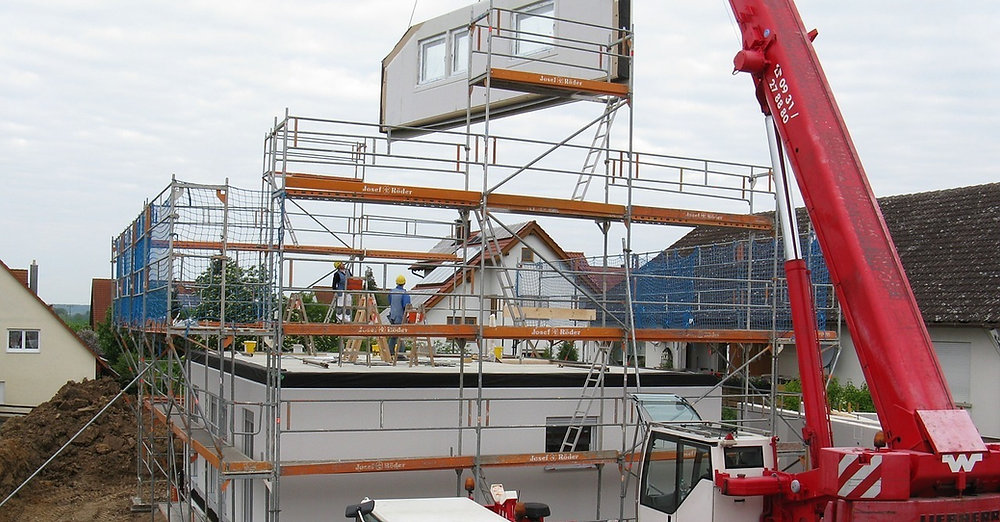
Prefab in a Nutshell
While we’ve mentioned prefabricated construction in passing before, we haven’t actually taken a closer look at the topic. Turns out, prefabricated construction actually has a long and storied history dating back to 17th century colonial America when a disassembled house was shipped across the Atlantic Ocean from England. Today, thankfully, prefabrication projects no longer require whole houses to be disassembled and then shipped across the ocean. Instead, individual components are manufactured in factories before being transported to the final construction site for assembly. Modular Construction Versus Panelization The term “modular construction” often pops up when talking about prefabrication, but what’s the difference? Simply put, modular construction is a type of prefabricated construction where entire sections of a building (including plumbing and electrical wiring) are put together before being transported to the construction site. This type of prefabricated construction requires the least amount of time on site, but a significant amount of planning to ensure all goes smoothly. Panelization is another type of prefabricated construction where elements of a structure, such as walls or floors, are constructed in a factory and are then transported to an existing structure for installation (plumbing and electrical wiring are installed on-site). Benefits of Prefabrication Since the materials are stored in the factory, they are never exposed to the weather or elements before they reach the construction site; there’s no water, wind, or ice damage to worry about, and there are no construction delays due to inclement weather. With the components of the building being built in a factory, there’s less environmental degradation and noise pollution within the project’s surrounding environment. Since entire rooms (complete with plumbing and electrical systems) can be manufactured en masse in factories, prefabrication is particularly useful for projects with a high degree of repetitive designs: student dorms and hospital rooms, for example. Prefabricated buildings aren't just limited to structures featuring accommodations as garages, barns, and offices have all been put up by various firms. Prefabrication also isn’t limited to low-rise projects, either; a pair of 56 storey skyscrapers dubbed Avenue South Residences are set to be put up in Singapore by the first quarter of 2023. Due to the minimal time and number of workers needed on the work site, there’s the potential for big savings with prefabrication projects that can be put towards using high quality materials. (Note: Not all prefabricated materials are created equal! Durability and quality of finishes can vary widely depending on price.) Costs for prefabrication homes can run between $200 and $250 CAD per square foot depending on the quality of finishes, though this will depend on location, with cities such as Vancouver and Toronto demanding higher prices than cities such as Halifax and St. John’s. Additionally, with less people expressing interest in joining skilled trades and thousands of workers set to retire soon, prefabricated materials can help alleviate some of the manpower shortage the construction industry currently faces. Disadvantages of Prefabrication For potential homeowners looking to save costs when constructing their homes, prefabrication can seem like an obvious choice, but there are some drawbacks that can affect them. First, homeowners will have to first purchase the land they want to build on. Land doesn’t come cheap, and they will also have to pay for tree and plant removal, gravel, the costs of hooking up to utilities, etc.. Second, depending on where the home is planned to be put up, transportation fees can easily add up, particularly in those out-of-the-way areas. Lastly, equally risky for both a buyer’s wallet and contractor’s reputation, components may be damaged during transport or assembly if the contractor lacks the proper equipment and experience working with prefabricated materials. Closing Remarks And there you have it: prefabrication in a nutshell. As time goes on and factories become quicker at turning out quality modules and panels, who knows what we’ll be able to achieve in terms of design and efficiency? When paired with CWA automation software, contractors specializing in prefabrication can also increase efficiencies and quality control to ensure that this technology continues to advance. Exciting times are just around the corner! If you enjoyed this article, join our mailing list now to receive all the latest articles and stay up-to-date on what OnTraccr is developing to bring automation to the construction industry!

22 Essential KPIs Every Construction Contractor Should Measure
How are you currently measuring project success? Traditionally, many of us have been using financials, such as budget, as the leading indicator to measure performance; after-all, the ultimate goal is to make money and be profitable. However, relying solely on this metric is not advised as there are a number of other essential metrics that you can use to help you determine whether a project is on track, with some of them even providing you with actionable insights into what needs to be done to get there. What Are KPIs? Before we get into the specific KPIs you should be measuring, here is a quick refresh on what KPIs actually are. For those of you who aren’t familiar with the term KPI, it stands for Key Performance Indicator. As the name suggests, construction KPIs are the critical (key) indicators of progress towards an intended result. KPIs are measurable, and can easily be compared and tracked, allowing you to evaluate whether you’re meeting your objectives or not. Why Pure Financials Should Not Be a Primary Indicator of Performance Relying on budget as a leading indicator for project performance is very similar to calculating the calories in a lasagna to assess how healthy it is AFTER it has been baked. It might be helpful knowing this, as it can let you know how much of it you can eat to stay within your daily caloric intake, but there is nothing you can do about it now to change it in the event it doesn’t fit within your macronutrient requirements. In other words, it’s too late to change the outcome using this metric as your leading indicator. On the other hand, if you were able to measure and adjust the ingredients of the lasagna as you were baking it, the results would lead to a more desirable outcome which fulfills your need for a healthy lasagna (if healthy dining is something you care about). As you can see above, pure financials are a lagging indicator of performance, meaning they don’t provide you with actionable insights that can help prevent unwanted results. So why then are they often the primary focus when it comes to measuring success? Simply put, it doesn’t make sense to solely rely on that. Other key measurements need to be accounted for in order to not only track construction progress and performance, but also increase profitability. Essential KPIs That You Should Be Using on Your Projects We all know that there is always more than one way to measure success, and this especially holds true in construction. Regardless, when it comes to most construction projects, the list I’ve included below is what I believe to be the most essential KPIs to measure, especially if you don’t know where to start. As mentioned before, these KPIs are not financial by nature, but with improvements in these areas you’ll be able to positively affect your financial performance like never before. 1. Safety I’m sure you’ve all heard or have a pretty good idea on the importance of safety on the job site. Beyond the obvious reasons on why safety should be a priority, there is actually a trickle down effect that can occur if left unchecked. A safer site incurs less risk and saves on long term costs. If safety incidents did occur, they could set your project or company back, both in terms of time and money. For those who have experienced this, you know first hand that a safety incident means higher insurance payments. That is why it is essential to know and understand what your safety rating is, as it will help you reduce costs and keep everyone working productively. Some key metrics that will help monitor your safety stats are as follows: Safety/Incident Rate # of Safety Meetings & Correspondence # of accidents per contractor 2. Quality No one wants to waste their time on re-work. The problem lies in the balancing act that most contractors find themselves in, where they want their workers to work efficiently and get things done fast, whilst still ensuring there is no slippage in work quality. After all, we all know it’s better to get it right the first time. It might be time to ask yourself, do your projects represent top quality work? Or are they rather half-hearted efforts which may raise costly re-work issues down the road? The only way to answer these questions is by tracking the following metrics which, as a whole, can paint a very clear picture of where your company stands when it comes to quality of work. # of total project defects # of defects due to poor workmanship Average time taken to rectify defects # of site inspections conducted Ratio of the inspections passed to total performed Total cost of rework Customer satisfaction reports and ratings 3. Performance Tracking your team's performance will give you insights into their productivity. By analyzing and measuring exactly how your team is spending their time, you’re able to adjust and reallocate resources to where they are needed most, getting you closer to reaching your project goals. Some metrics that can help you track performance are as follows: Total waste/recycling generated per project Average revenue per labour hour worked % of downtime for equipment % of downtime for employees 4. Employee Satisfaction Imagine a worker who is in a key role such as a formwork foreman, or electrical supervisor. This worker has been assigned to a project that takes them almost 2 hours to commute to, resulting in them being pretty dissatisfied with their job. Without proper employee surveys to help better understand their wants and needs, this worker could easily switch to another company closer to home, leaving you with a big hole to fill and an immediate loss in productivity. This same scenario would play out differently if employee satisfaction was a key metric that a company is tracking. They would have heard this concern, and could've been proactive about it knowing that travel time can greatly affect employee satisfaction. Employee turnover is costly, and it’s smaller details like this that can greatly affect the overall productivity and profitability of a project. Some metrics you should be tracking to gauge where you are at, in terms of workplace satisfaction, are as follows: Worker satisfaction Employee training completion rate Turnover rate 5. Bid & Take-Off Performance The metrics above were mostly project-specific, but most contractors have different departments such as estimating, where KPIs should also be used to ensure everything is operating effectively. Improvements made in this area can directly affect your bottom line, so this is definitely an area you don't want to ignore. To gauge your estimating department's performance, the following metrics can be used: Total # of bids currently in the pipeline # of RFIs submitted # of RFQs submitted # of issues & mistakes found in bid documents # of active leads and % probability of winning the bid Final Thoughts As we all know, there are tons of ways to measure success. Therefore it’s critical that you assess your operations and consider all areas as parts of a larger picture, much like parts of an engine. Our attention naturally follows the money, but when it comes to evaluating your projects, we need to step back and look at the big picture. There are a lot of moving parts in an organization, therefore your KPIs need to serve as sensors which you constantly monitor to make sure everything is running smoothly. Ideally these metrics can be displayed for you in one central place, which some construction specific software providers like Ontraccr are looking to provide. Always remember that while financial metrics are very important, so too are safety, quality, and satisfaction rates of any project. With the actionable insights gained from monitoring these KPIs, you can make better decisions moving forward, helping you cement yourself as the best in the business. If you enjoyed this article, join our mailing list now to receive all the latest articles and stay up-to-date on what Ontraccr is developing to bring automation to the construction industry!
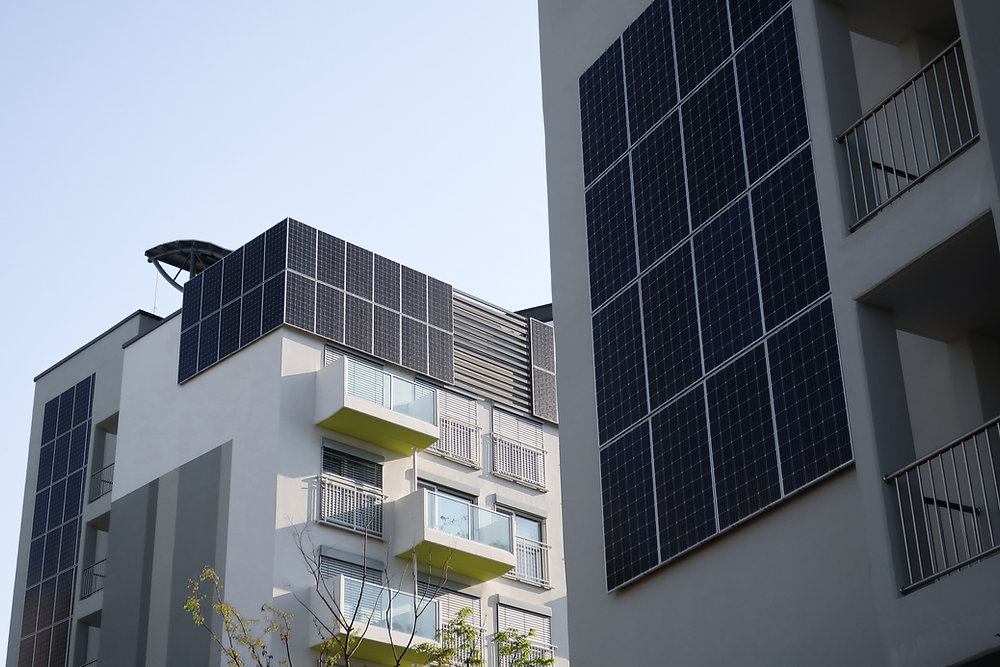
5 Green Construction Products to Keep an Eye On
We’ve touched before on ways that AI-assisted technology and robotics will be able to shape the future of construction, but there are already a multitude of eco-friendly products and processes that can be incorporated into builds to increase efficiency and comfort while also reducing our carbon footprint. 1. Cool Roofs On a hot summer day, a traditional roof can reach temperatures of up to 65.6 degrees Celsius (150 degrees Fahrenheit) and cause the interior temperature of the building to go up, which can lead to excessive use of air conditioning systems. Where there are older less efficient air conditioning systems in place, costs, energy use, and emissions will all go up as a result of trying to keep the interior at a comfortable temperature. Cool roofs are designed to reflect more sunlight than traditional roofs do, and can reduce roof temperatures by 28 degrees Celsius (50 degrees Fahrenheit), reducing interior temperatures and reliance on air conditioning systems to keep people cool. Cool roofs also reduce the heat island effect; heat islands are urban areas that experience higher temperatures compared to nearby rural areas due to buildings, roads, and other architecture absorbing and then re-emitting the sun’s heat more than natural landscapes do. Installing a cool roof is as simple as choosing white or cooler coloured shingles, tiles, and paints than traditional dark roofing. 2. Green Insulation Insulation is another important factor in keeping houses and buildings at comfortable temperatures. Fibreglass insulation is the most widely used type of insulation in building projects, but can lead to skin irritation during contact, and if not sealed properly, bits of glass can break down and enter into ventilation systems and be breathed. Two alternatives to fibreglass insulation are cotton and cellulose insulation. Cotton is both a versatile and highly renewable resource. Cotton insulation typically recycles leftover denim (jean material) scraps into a thick material that can be used to line walls in the same way that fibreglass is used. The cotton is treated with borates before it is installed to make sure it is flame retardant, and unfortunately doesn’t come cheap. Cotton insulation can cost twice as much as fibreglass insulation does, but it does come without the potential of breathing in glass. Cellulose insulation is made from recycled newspaper and other paper and typically takes the form of blow-in cellulose, which is sprayed rather than laid out in sheets. Cellulose insulation is also cheaper and provides a higher R-value than fibreglass insulation does (3.5-3.7 per inch versus 2.1-2.7 per inch), even in extreme cold. 3. Bamboo Flooring and Cabinetry Bamboo is incredibly sustainable due to its high rate of self-regeneration and will continue to spread and grow without needing to be re-planted even after some of it is cut away. It’s lightweight, making transportation easier and incredibly tough, with a strength-to-weight ratio comparable to timber. Pure bamboo is also harder than some types of hardwood, making it ideal for cabinetry and flooring. Before it can be used for building, it must be treated with insect repellant, and care must be taken to ensure that it remains as dry as possible, as despite being more water resistant than hardwoods, it is not waterproof, and can still warp and become discoloured due to excess moisture and water contact. 4. Smart Glass The term “smart glass” covers a range of different products, but it’s essentially glass that has been treated so that light transmission is altered when exposed to light, heat, or voltage. This means that the glass can go from being transparent to opaque, from letting light pass through to blocking some or all types of light wavelengths. Not only does this eliminate the need for blinds or curtains as others won’t be able to see through the glass, it also means that air conditioning costs and emissions go down as the glass becomes more opaque in response to strong sunlight or heat, letting less light and heat pass through. 5. Rammed Earth Rammed earth is an ancient technique for building structures that uses naturally occurring raw materials like clay or gravel. A moist mixture of earth and other materials like the aforementioned are combined along with a stabilizing agent (such as lime) and poured into a formwork, then compressed iteratively to form walls. The strength of a wall increases as it cures, a process which can take months to complete, but results in long lasting structures. Rammed earth also has a high thermal mass, absorbing heat during the day and then emitting it at night, similarly to brick and concrete. While rain won’t cause the structure to break apart, care must be taken and overhanging protections should be installed to prevent erosion over time. Final Thoughts The industry is just scratching the surface on how green construction technology can re-shape how we build today and in the future. Needless to say, it's a very exciting time for construction amidst all the new innovations hitting the market. We can't wait to see what's coming next. If you enjoyed this article, join our mailing list now to receive all the latest articles and stay up-to-date on what Ontraccr is developing to bring automation to the construction industry!
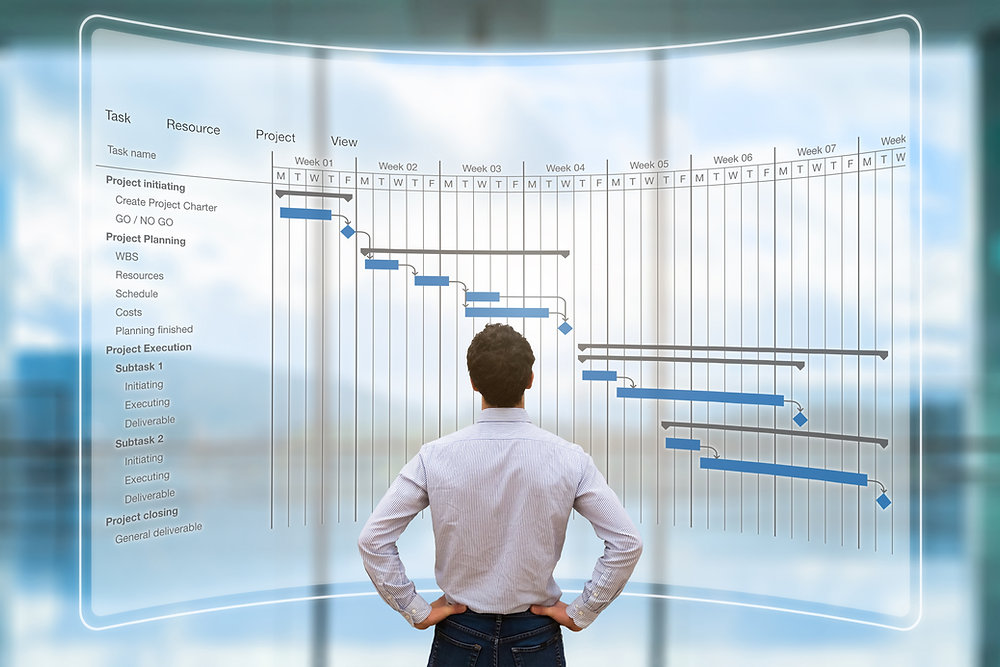
Construction Scheduling - What Is the Most Effective Way?
In today’s day and age, there are many different platforms and tools that are designed to streamline construction project scheduling. With each platform comes it’s own unique pros and cons, but the general consensus is that most of them are likely better than the traditional way of scheduling. Not only do they help improve efficiency and the ability to track key metrics and milestones, they also are much more flexible when it comes to change, all while increasing transparency for all parties involved. With scheduling being such an essential component in construction management, it’s important to take your time and assess which solution is right for your company. Below I’ve listed out some of the most common methods of scheduling found in construction, each with their own pros and cons. 1. The Critical Path Method (CPM) The CPM is a ‘push’ focused method often used in large construction projects. The foundation of its design is based on the idea that your ability to complete any activity relies on a few essential constraints or resources. This idea is often understood through the use of a sandwich as an analogy. Let's use making a turkey sandwich as an example, because who doesn't like turkey? 'You may have all the mayo, turkey, and cheese you need, but without bread, you can’t make a turkey sandwich.' It is easy to see that, in the example above, the bread would be the constraint in the ‘turkey sandwich project’. Of course identifying the critical path and any related constraints isn't so cut and dry in the construction world but with some practice it can become second nature. In fact, this method is so popular that it is included in the curriculum for the PMP certification and is also often seen as a standard for measuring delays in the event of project disputes. Pros of CPM The critical path method is very helpful if you are looking for the best sequence of events that need to occur before tasks are completed. As the name suggests, it helps identify the most critical path within the sequences, allowing you to easily see which tasks are essential for project completion and which ones are purely supportive. This means you can place more attention on tasks that matter and allocate your resources accordingly. The ability to make smarter decisions means you also have the ability to increase profits and mitigate risks. Cons of CPM As with every method, there will always be a downside of using them as a one-size-fits-all approach and the CPM method is not something you should solely rely on. This method typically falls apart in projects where there are hundreds of independent tasks, making it difficult to see a clear picture of where resources need to be allocated. That’s why it is best used in combination with some of the other methods in this list. 2. Gantt Charts Gantt charts are something I’m sure almost all of you have seen at some point or another in your careers. Unlike the CPM method, Gantt charts are more a tool than a methodology. They help you visualize the project schedule at various levels of detail, allowing you to estimate the duration of the project as well as identify the critical path. Typically, Gantt charts consist of a calendar view with tasks and their dependencies illustrated by bars. The size of the bar is set by the start and end dates of each task, and the chart can even include milestones to help with prioritization. Through their ease of use and detailed structure, Gantt charts excel at creating a hierarchy within projects and help illustrate which tasks must be completed before others. Pros of Gantt charts The main pros of using Gantt charts is that they provide an accurate picture of the complexity of a project. They are very helpful for finding new ways to look at your project, which will help you identify the best path towards completion. They also simplify the management of projects that involve many overlapping activities. The bar layout makes it very easy to shuffle projects around if overlapping would prove to be an issue. Cons of Gantt charts The downside of using Gantt charts comes into fruition when projects have more than 100 or so activities. It starts getting a little difficult to visualize the overall project as more and more activities are added into the mix. As a result, problems that were persistent from before, such as the fact that Gantt charts require constant updates and time-consuming overhead to maintain, become even more problematic as the size of the project scales. 3. The Line of Balance Method (LOB) The line of balance method is typically better suited for projects that have a lot of repetitive work. The way it works is that it breaks down your project into repetitive chunks, such as each floor on a 37 story building. Each line on the graph represents one of these repetitive tasks, with the x-axis representing time, and the y-axis representing the area of work such as each floor. As workers progress through each task, the chart will reflect the duration of each iteration. With that, managers are able to effectively plan resources as they will be able to draw many similarities between areas. Pros of LOB The LOB method helps identify where projects go off-track by identifying the exact moments where any deviations may have occurred. It helps teams that are in charge of repetitive tasks make sure everyone is aware of the time certain activities should take, ultimately ensuring that schedules are strictly adhered to. With that said, if you have a project that can take advantage of repetition, then the LOB method will really help you keep things on track. Cons of LOB As mentioned above, the LOB method excels at scheduling projects that have a high number of repetitive tasks. For this same reason, it also is less desirable and effective to use on projects that have little to no repetition as insights learned from one task will likely not translate to useful data for any other tasks. This method also fails to give you a clear idea of the project’s critical path as it only focuses on individual activities. 4. Pull Planning Pull planning is a unique form of scheduling in construction, where it takes a reverse engineering approach when it comes to scheduling a project. This approach involves gathering all stakeholders and team members to help identify key project milestones. Once the band is all together, the team works backwards from these key milestones and add in all the details to complete the plan. You might be wondering though, what does "pull" mean in pull planning? This is likely due to the fact that pull planning is based on the idea that the planning of a project starts with future milestone in mind. Planners then 'pull' this information from that point to the start of the project, hence the name pull planning. Pros of Pull Planning The biggest advantage, and perhaps the reason why pull planning is becoming more and more popular, is that this process greatly increases the communication amongst all project stakeholders. Due to the nature of the planning sessions, the entire team is forced to talk to each other, and with communication (or the lack there of) being a constant struggle in construction, this really helps everyone to get talking well before the start of the project. Another advantage is that most companies report an increase in efficiency and reduced waste and downtime as a result of pull planning. This is likely because all trades are collaborating on schedule, ultimately mitigating risks and identifying problems before they come to fruition. Cons of Pull Planning As this methodology involves a huge emphasis on team collaboration, teams without this skillset will greatly struggle at first to get things rolling. As a result, this system might exacerbate faults in your team's cohesion so you may want to focus on increasing collaboration in other areas before fully committing to this process. The Bottom Line Scheduling your project and the methods or tools you should use will greatly depend on the type of project you are working on. The key thing to look for though is a tool that places a strong emphasis on collaboration, as I believe that has been the missing link in every solution I've come across in my career. With proper communication from all stakeholders, constraints, conflicts, and key milestones can be easily and promptly identified, ultimately leading to increased productivity for everyone involved. Everyone knows that a project schedule can make or break your profits, so it only makes sense that everyone involved should have a say in the sequence of events leading to project completion. If you enjoyed this article, join our mailing list now to receive all the latest articles and stay up-to-date on what Ontraccr is developing to bring automation to the construction industry!

Top 5 Construction Trends to Watch for in 2022
After stumbling through another year of the pandemic, we step closer to an ever-changing world where the traditional way of doing things slowly becomes extinct. This applies to every industry in the world, but particularly those who have traditionally been lagging behind when it comes to adopting change, with construction leading the race for last. With the new year in full swing, experts are already starting to predict that 2022 will be a difficult year again for the construction industry, with demands for many types of construction set to shrink. This may be a good thing though for some companies, as the labour shortage problem the industry already faces is now amplified due to the recent surge in new cases from the omicron variant. Many subcontractors are facing staff reductions well over 30%, meaning that projects that were already delayed from the events in 2021 have no chance of making up for lost time. In order to combat this struggle, contractors will continue to need to adjust at a more rapid pace. The following list describes some trends to keep track of in 2022 as construction continues to see their past problems become more prevalent, ultimately leaving some companies with no choice but to change the way they do things. 1. Green Construction Technology The demand to reduce carbon footprints has been increasing since the introduction of the idea. One of the main initiatives behind this is the LEED (Leadership in Energy & Environmental Design) certification and its requirements for projects throughout the world. Just to give you an idea, in 2006 there were about 300 projects that were LEED-certified in the US, and in 2018 this number rose to almost 67,000. This exponential rise hasn’t slowed down and the trend continues strongly in the upward direction as more and more projects are beginning to look towards achieving LEED certification. With continued contribution from the government, contractors will receive plenty of incentives to continue adopting this trend and ensuring they are building with their carbon footprints in mind. 2. Prefabrication Delivery of prefabricated material is seeing an increase in popularity, especially in 2021. This trend is just getting started and will likely be a driving force for construction in the post pandemic world. The main benefits of this form of construction is that it not only reduces waste but it also takes away from needing additional labour on site to build the project. This trickles down positively in so many ways, such as reducing site disruptions as well as mitigating safety incidents. Studies say that the prefab market will reach an enormous $160 billion dollars by 2023. For those looking to benefit from this trend, it's as easy as starting an internal pre-fab workflow within your own company. Think about any components that can be pre-assembled off-site and assign those tasks to lower waged apprentices that are supervised by someone who can enforce the repeatable process. You'd be surprised at how much time and money you can save by starting to remove some of this work from the jobsite. 3. Automation Automation has been a hot trend in several industries and is now starting to make an appearance in construction as well. With the current labour shortages and the everlasting pandemic, contractors are feeling the pressure to find ways to make up for the lack of hands. This is where automation comes in. I’m not talking about drones and robots on jobsites, although that has already begun to take place around the world, but instead I believe contractors will begin to look for construction software automation to help provide some relief when it comes to the overhead required to maintain their workflows. The problem is that most of the existing solutions require extra overhead to manage and maintain, which is something that a lot of contractors can’t afford, especially with today’s uncertainty. That’s where companies like Ontraccr come in, introducing the industry to the next generation of construction software: Construction Workflow Automation (CWA). With CWA-enabled technology, the focus isn’t just on digitizing construction documents and forms, but on fully automating them in order to reduce overhead all across the company. 4. Collaboration Technologies Coordination between the field teams and the office has always been extremely important, but even more so over the last two years as PMs and office staff have had their site visits limited due to the pandemic. As a result, there has been an increase in popularity when it comes to adopting technologies that focus on bridging that gap between the office and field. Despite this, in a recent study by KPMG, 82% of owners felt they needed more collaboration with their contractors. Traditionally, the most popular style of tool suited for this would be a field management tool that has a built-in communication feature. Companies with large budgets will likely tend to adopt the more traditional and trusted brands in the industry when it comes to construction management, but smaller companies will have the opportunity to explore newer technologies just hitting the industry, which may give them a head-start over their larger counterparts. 5. Integrated Project Delivery IPD projects have seen a rise in popularity over the last few years and there is no reason to believe that this will slow down anytime soon. Much like how LEED-certified projects slowly came into the market, I believe that IPD projects are going to become just as common in the next decade. To better understand why, it’s important to know the main benefits that IPD projects provide. First and foremost, the project chartering aspect allows all stakeholders to achieve a sense of alignment on the project scope, budget, and schedule. This is essential as it prevents the project from undergoing late stage value engineering and design changes that tend to lead to significant costs. Another significant benefit is the early involvement of sub-trades, which means that design conflicts and issues can be identified well in advance through the use of BIM models. This also attracts top tier firms who are capable of this higher focus on modeling activities. Finally the last main benefit, and one that may be a big reason for increased adoption, is that IPD projects tend to provide stakeholders with the ability to compress the schedule by up to 30% or more over traditional delivery markets! This speed increase is due to a variety of factors, such as an increased emphasis on pre-fab, but it’s easy to see why this trend will continue to rise in popularity. Closing Remarks The trends from 2021 will likely continue on in 2022, with problems such as the labour shortage becoming more widespread. Contractors that have already adopted technology may look for more solutions to add to their tech stacks to help mitigate the impact from these constant struggles. Those without anything will definitely need to explore innovative ways to increase their profits, and accepting that they must change the way they do things is definitely a good start. When things are hard and business is slow, there is no better time to explore ways to improve on existing systems and workflows. If you enjoyed this article, join our mailing list now to receive all the latest articles and stay up-to-date on what Ontraccr is developing to bring automation to the construction industry!
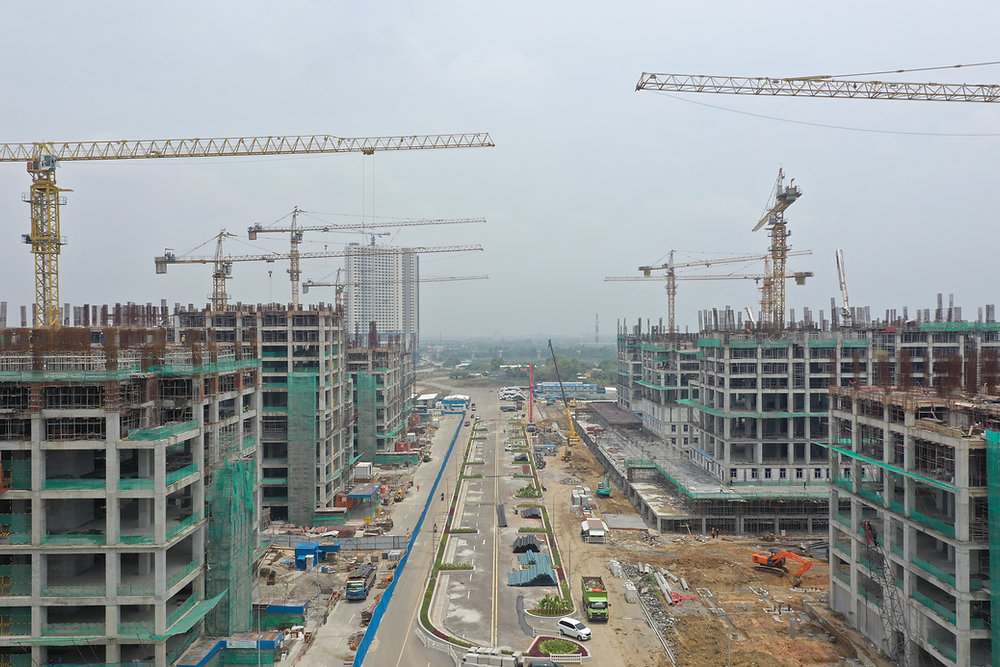
Understanding the Construction Labour Shortage | Where Do We Go From Here?
Across North America, the construction industry is struggling to bridge the gap between demand for building projects and a shortage of skilled trade workers needed to bring those projects to life. For example, within the next five years, Canada will face a shortage of 10,000 workers in federally regulated Red Seal trades, while the 250 provincially regulated trades will see a worker shortage up to 10 times that amount. With approximately 700,000 skilled workers expected to retire by 2028, there will be nowhere near enough apprentices to fill the number of empty positions needed to maintain the workforce. With governments promising infrastructure updates and the demand for increased housing supply, projects could be delayed or cancelled without enough workers. Before we jump into what can be done to end the worker shortage, we should first look over the reason why so few people are applying to trades programs today. Industry Perceptions Are Holding the Trades Back Going into a skilled trades program isn’t seen as a glamorous career choice to most young workers and new immigrants. Schools also tend to sell students more towards business, healthcare, law, and tech as “good” careers while ignoring the fact that skilled trades workers can earn six-figure salaries and live very comfortable lives. While the working conditions won’t always be an ideal temperature-controlled office space, many people who could excel in the trades if they tried them are instead chasing careers where they might not earn as much as they could if they had taken up a plumbing apprenticeship. For many students and their parents, trade and vocational schools are meant for those not cut out for college or university and not as a viable alternative for those who do excel in academics. Social, familial, and cultural pressures can push potential future skilled workers to instead pursue careers in different fields. This isn’t to say people shouldn’t apply to nursing or medical school if that’s their passion; we are in dire need of more healthcare workers, but without skilled workers to maintain, repair, and build new infrastructure for our expanding population, we’ll be in even worse shape than we are now. There Is No Quick Fix Countries such as Canada, the United States, and the United Kingdom are moving towards an increasingly digital and information-driven future, and with more workers hanging up their hats in retirement, there may not be as many people able to teach the skills needed to work to build and repair in the near future. There is no one simple way to solve this problem: simply advertising trades programs more won’t help if people believe the key to their financial comfort lies in wearing a suit as opposed to work gloves and safety goggles. Schools will need to actively push the trades classes as they do business, science, and arts classes. Even that won’t be enough, however; countries such as Canada and the United States will have to look to allowing foreign skilled trades workers to come in either through immigration or on temporary work visas to help plug the hole we have. Technology, too, will become even more important: we’ve already seen bricklaying machines and 3D printed houses. In addition to hardware innovation, Construction Workflow Automation (CWA) tools such as Ontraccr are helping contractors find ways to deploy software automations to remove time-consuming documentation work off their teams’ plates so that their smaller teams can become more productive. We can expect to see much more of this in the future, though we can never 100% replace humans on the jobsite. If you enjoyed this article, join our mailing list now to receive all the latest articles and stay up-to-date on what Ontraccr is developing to bring automation to the construction industry!
How to Safely Secure & Manage a Construction Site Over the Holidays
As the holiday season approaches, there is no better time to highlight some considerations and tips regarding how to safely secure and manage your project sites over the holidays. You can think of this as similar to preparing for an upcoming storm, as it’s impossible to predict who or what is going to come into contact with your site at any given time, especially during the holiday season. Things to consider in preparation for a site shutdown First and foremost, securing a project site starts with creating a plan. Sit down with your site team and develop a timeline of activities that are required to take place leading up to the site shut down. The goal is to not only secure the site and valuables, but also to ensure employee and public safety. Create a simple checklist which highlights the predetermined process for site shutdown and maintenance. This list should include not only all internal requirements, but external as well, such as any local regulations you must follow. Using an all-in-one field management tool such as Ontraccr, you can keep a live project view of the progress of this list so that all relevant workers can help contribute and check off things as they are completed. Conduct several site walkthroughs to help identify potential safety hazards. Everyone should be thinking about safety and ensure they address any issues that could persist for the public and workers. One final walkthrough with a supervisor who is foreign to the site is extremely helpful, as it provides a fresh perspective on potential hazards. Have an emergency response plan. Unforeseen events can happen, therefore it’s critical to have a procedure in place that clearly identifies key contacts and steps that must be taken for prompt response in the event of an emergency. Ask your site team to take home all personal tools and lock down equipment. This one is a no-brainer but you’d be surprised at the amount of theft claims I’ve had to deal with because some of my site team members left their gear on site during a shutdown. Secure equipment by removing keys, locking doors, and turning off master switches - this makes it much harder for unauthorized visitors to access. Tips on managing a project over the holidays If your project or site is one of those that will have minimal downtime over the holidays, it’s important to ensure you keep your eye on productivity and take the necessary steps to ensure you minimize the unavoidable holiday dip. I’ve highlighted a few tips below that you can use to help increase your productivity during the holiday season and ensure your project doesn’t fall off schedule. 1. Have a small crew work during the holidays Not all workers may be required to work during the holidays, so it’s beneficial to everyone if you sit down and ask your crew who is willing to work and who isn’t. Schedule tasks based on the reduced crew size. This will allow you to plan which part of the project will remain active during the holiday season, without forcing crew members to sacrifice their social obligations. 2. Allow certain team members to work from home Not all team members can work from home, so this only applies to certain roles such as PMs and PCs. Thanks to construction software such as Ontraccr, managers can monitor a site's progress and communications remotely from anywhere in the world. This can help ensure productivity levels remain constant at the site without having to go there physically to check on progress, ultimately keeping everyone happy. 3. Celebrate with your team! You’d be surprised at the impact a little celebration can have on worker morale, ultimately motivating them to be more productive. The holiday season is the best time to show your gratitude towards your team by setting them up with an on-site pizza party or similar style lunch. If you’re feeling extra cheerful, take a short break from work and check in on your workers. This can help them realize that you truly care for them and their interests, boosting their loyalty towards you. This boost in loyalty can motivate them to work a little bit harder even if it’s the holiday season. 4. Consider offering flexible time for workers Flex hours are basically you allowing your workers to work unorthodox hours during the holiday season. This is important because it gives your crew some added flexibility to still enjoy the holiday parties and festivities properly, while maintaining on-site productivity the next day. This is extremely easy to manage with the use of a field management solution, as you’ll be able to see in real-time when your team is clocking in & out, while being able to communicate with them directly. This doesn’t mean that your crew can show up whenever they want or leave whenever, so make sure they understand the terms before allowing them to proceed. Conclusion Managing construction during the holidays is definitely a difficult task. It’s important to set realistic expectations, plan and execute proper shutdown procedures, and communicate with your teams to ensure everything goes smoothly. The holiday dip will always occur regardless so it’s better to plan for it and minimize it, rather than try to prevent it. Finally, take the time to celebrate with your team! It’s the holiday season after all, so now is the best time to reward everyone for their hard work and boost company morale. If you enjoyed this article, join our mailing list now to receive all the latest articles and stay up-to-date on what Ontraccr is developing to bring automation to the construction industry!
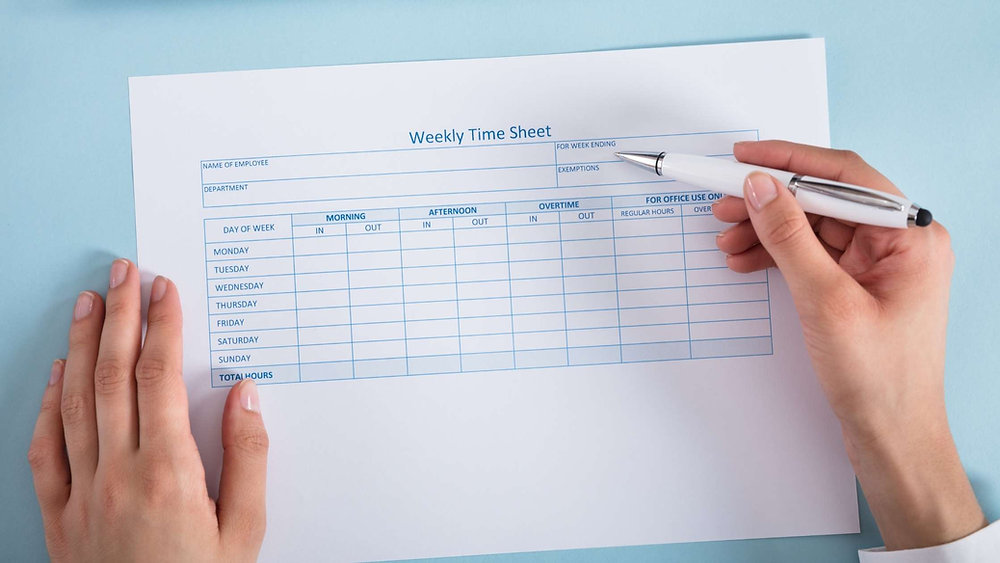
How to Automate Field Time Tracking | A 'Quick Win' to Increasing Profitability
Employee time tracking is one of the most important aspects to tracking and managing a construction project, yet the vast majority of contractors are still using manual methods to track labour hours. These manual time tracking methods continue to cost contractors significant amounts of money throughout their project lifecycles and many construction managers still don't realize it. Luckily, new technology innovations aimed at automating arduous processes like this have arrived to help the industry modernize time tracking practices across the board. Why Should I Automate My Time Tracking Process? Great question! And for some, your initial thought here might be something like: "Time tracking? You mean plugging in your hours worked into some paper/spreadsheet or basic software application? Thats so easy. Who cares!" But that's where you would be making a huge mistake by overlooking this. For decades, contractors have been tracking field team hours using simple and fully manual methods. This could include getting workers to fill in a paper timesheet at the end of their day/week or letting them do the same thing using a digital timesheet instead. This practice has simply turned into the status quo in the industry and many managers continue to remain completely oblivious to how much money these methods are actually costing their businesses. So how much money are we talking here? Well, it turns out that manual time tracking methods carry both direct and indirect costs along with them. Both of which are completely unnecessary. First, let's explore the direct costs: According to recent studies conducted by the American Payroll Association (APA), it is estimated that contractors overpay up to 15% of their annual gross payroll on problems caused by manual time tracking methods. Time card computation errors make up as much as 8% of this figure, and this covers scenarios such as workers keying in numbers incorrectly on their timesheets, transposing numbers, or managers misreading handwritten records. On top of this, time theft can cost companies up to an additional 7% of their annual gross payroll. Manual time tracking processes enable both of these issues to happen frequently. Even if 15% is a worst case scenario, imagine how much even just 5% of your annual gross payroll amounts to... But wait, there's more! According to these same studies, managers/administrators can spend up to 6 minutes to add and audit each employee's time card. When you think about this in terms of the number of employees and pay periods throughout a year, the cost associated with the time spent simply processing these time cards can be massive. Next, the indirect costs: Manual time tracking methods can also affect employee retention rates. According to another survey conducted by the APA, 49% of US workers will leave their job after experiencing just two problems with their paycheques. Think about it, why would an employee trust you with their development and performance management if you can’t accurately track their time and pay them correctly? Ditching manual time tracking methods can free up time for your entire team which they can use to take on more projects, increase revenue, and find new ways to add value to the business. The APA validated this as well and found that organizations with integrated timekeeping and payroll reportedly overachieved their revenue targets by 7%. Still overlooking this? I hope not! How Exactly Can I Automate Time Tracking? Prerequisites: Before we get ahead of ourselves and try to explore fully automating our time tracking process on our own, I must mention that there are some important prerequisites you need to nail before you can actually achieve this. It really boils down to the following two key pieces: First, embrace smartphones. And I mean really, truly embrace smartphones. Don't be worried about how your workers will use their phones or if they'll be browsing their social media feeds while onsite. Although those concerns may be valid, what contractors need to understand is that smartphone adoption is THE key enabler to the business's potential digital transformation and ability to improve both productivity and profitability. If you want visibility into what your team is doing, you need to make it easy for them to provide you with those insights. And the only way to do that in today's day and age is to let them use smartphones. You can either let them use their own smartphones or, if you want a little more control, you can issue company-owned smartphones instead. No matter how you do it, just make sure that your field team has access to smartphones at the end of the day. Second, adopt a construction workflow automation (CWA) tool. Smartphones are not very useful if they're not accompanied by a specialized construction management tool. But when you're evaluating software tools, it's important to know what you're looking at. Not all construction software is created equal and what you'll find in the market today is a mix of different software categories ranging from project management applications, to niche widget applications (e.g. a pure time tracking app) and field-specific applications, through to full CWA tools. If your goal is to fully automate your time tracking process, you need to pick a software tool that does not require any human involvement or manual entry. This is super important. If your app requires your team to plug in their hours, I hate to break it to you but you're still using a manual method to track time. Instead of your team plugging in their hours into a paper timesheet, you've just made them change to manually plugging in their hours into a digital timesheet instead. This is not automation. Remember, no manual entry whatsoever is what we're aiming for. The best tool for full construction workflow automation is a CWA tool like Ontraccr. Ontraccr's goal is to fully automate as many tedious and time-consuming workflows for construction contractors as possible in order to eliminate the industry's reliance on costly manual entry. This includes automations across time tracking, document management, workforce management, invoicing, legal/safety compliance, and much more. You can think of CWA as your 'project management assistant' instead of just a tool that managers use to manually enter their project information over time. In this article, I'll show you how you can use Ontraccr to fully automate your time tracking process using 6 easy steps: Step 1: Design Your Workflows CWA is a completely different kind of project management tool. The core component of CWA is this concept of a 'workflow'. Workflows can be designed, managed, and updated throughout a project but they are always created using an actual flow diagram. Workflows consist of action blocks/steps that can perform tasks while data makes its way through the workflow. Steps can include things like approvals, sending emails/reminders, collecting signatures, triggering/storing documents, and more. Using the drag-and-drop visual workflow builder, managers can design their entire time tracking workflow from start to finish and even separate workflows across different customers and projects as needed. This means you can design different workflows according to the types of construction projects you're working on (e.g. different workflows for residential or commercial projects, service calls, etc.). So the first step is to design as many time tracking workflows as you need and decide how you require workers to report their hours, who approves their hours, who receives an emailed timesheet, and how the hours make their way into the payroll processing stage. Step 2: Create Your Project Geofence After designing your workflows, the next step is to start thinking about the project's physical location. This is important because fully automated time tracking is made possible by using smartphone GPS location updates. At this stage, you need to decide when you will essentially consider a worker to be onsite or offsite relative the job site's location. You essentially need to create a border around the project location and this is called a 'geofence'. In Ontraccr, you can set up geofences to be as big or as small as you'd like. Step 3: Location-Based Time Tracking Now that the geofence for the project has been set up, this is where the magic happens. Ontraccr's mobile app will then use the field worker's smartphone to detect when the user has entered and exited the geofence area automatically. So when the user enters the area, it will assume they are 'clocking in' to their shift and they are 'clocking out' when they leave the area. Note: The automatic time tracking capabilities are also fully configurable here. For example, maybe you don't want Ontraccr to automatically clock them in/out. Instead, you can also configure Ontraccr to simply ask them whether they want to clock in/out when entering or exiting the job site. In this scenario, you'd still be asking the worker to confirm the action. You can also link the automated time tracking to the team's schedule. For example, if the worker is supposed to start work at 8 am then you can enable Ontraccr to automatically clock them in/out only within 10 minutes before or after their scheduled start/end time. Lastly, managers can still allow workers to manually enter their hours in case there are any issues with automated time tracking. Step 4: Automated Timesheets According to your workflow design, a set of users will have access to the field team's timesheets. All of these timesheets are produced automatically based on the automated time tracking data and Ontraccr will simply present these timesheets to the assigned approvers for their final review/edit, before approving them. Timesheets can be viewed from anywhere and on any device using Ontraccr. Step 5: Accounting/Payroll Integration The last step here is the option to link this automated time tracking system directly to your accounting/payroll platform. Through this integration, Ontraccr will send all of the automated time tracking data right to your payroll software as soon as managers approve the final timesheets. If you do this, not only have you automated your entire time tracking process, but you've also managed to automate significant portions of your payroll process as well! Ontraccr can integrate with accounting platforms such as Quickbooks and Sage, with more more accounting integrations right around the corner. Step 6: Sit Back and Let OnTraccr Do the Rest Once you've completed these steps, Ontraccr will literally take it from here! No one will need to manually enter their hours anywhere, managers will be notified and presented with timesheets automatically, and payroll can be semi-automated. The best part is, with CWA, how all of this happens is completely up to you! Final Thoughts Manual time tracking is extremely costly and the sooner contractors wake up to these unnecessary costs, the sooner the industry can adopt much more efficient fully automated workflows. If you want to save up to 15% of your annual gross payroll everywhere, give your employees countless hours of their time back to focus on adding value to the business, and also increase employee satisfaction/retention, you simply must deploy automated time tracking. CWA tools like Ontraccr can let you automate not just your time tracking process easily, but many other tedious processes as well. Give us a shout to get started today! If you enjoyed this article, join our mailing list now to receive all the latest articles and stay up-to-date on what Ontraccr is developing to bring automation to the construction industry!

6 Quick Tips on Improving Cash Flow Management for Contractors
Cash flow is the lifeline of any construction project, no matter how big or small. Being able to effectively manage cash flows throughout the lifespan of not only your projects, but also the entire company as a whole, can be the difference between a company that is profitable and one which is approaching bankruptcy. As mentioned in our previous article regarding late payments and their impact on the industry, cash flow problems can be a big cause of not paying or getting paid on time. In this article, I will focus on providing you with some tips to effectively manage your own cash flow. These tips will equip you with the tools required to mitigate the impact of any external factors that might affect the success of your business. What is Cash Flow Management? Cash flow management is the process of organizing and analyzing your expenses and revenue in such a way that it is used to control the flow of money in and out of your business. If you’re using an accounting software solution (which is most of you out there), there should be a simple way to generate a report which highlights this information in an easy-to-read format. As a business owner or executive, it should be your primary goal to make sure that your company is generating enough cash and anything that might impact this negatively needs to be dealt with immediately. If done correctly, cash flow management allows companies to predict periods of cash shortages and plan their operations accordingly. For example, if you know that you will be receiving a $50,000 payment two weeks from now, this will allow you to make better decisions on what bills you can pay and when, knowing that the $50,000 will be in the account in a couple of weeks. If you didn’t know this you might choose not to pay any bills, ultimately accruing late payment fees or missing out on early payment discounts. As I mentioned earlier, cash flow is the lifeline of your company. When you assess your company's cash flow, you are essentially mapping when cash will enter and exit your business, and how much. This is critical because the timing of each of these transactions can drastically affect the financial standing of your organization, and even your ability to accept a project. Cash Flow Management Tips Below I’ve accumulated a list of tips you can apply in your business immediately to help better manage your cash flow. There is no need to change your customers' paying habits (although we all wish we could) but, instead, you can simply just focus on your internal workflows and systems. 1. Polish Up Your Accounting Procedures and Reporting Without the correct financial reports to help identify whether your company’s cash flow is healthy or not, all efforts that follow are practically useless. This is number one on the list for good reason. Good accounting procedures are key in identifying strengths and weaknesses, as well as making informed decisions. 2. Stop Paying Bills Earlier Than Needed Paying your bills as soon as they come in can leave you strapped for cash in the event of an emergency or unforeseen circumstance. This is why it is essential to wait until more cash is available or until the end of your payment terms before making such payments. It is definitely good to pay your bills early, but spending money that you don’t have yet can lead you to a negative cash flow scenario which is not where you want to be. 3. Budget for Holdback Holdback, otherwise known as retainage, is usually around 10% of the contract value for contractors. Failing to budget for this throughout your project means that you’ll be short 10% of what you are invoicing every month. This may not seem like a lot but, oftentimes in construction, profit margins are well below 10%. This means that you’ll likely be cash flow negative at some point during the project and it won’t switch to positive until the very end when you receive the retainage back. 4. Finance Your Asset Purchases Whenever You Can This one might seem a bit counter-intuitive to some, but giving away your cash to avoid interest payments doesn’t really make sense when it comes to cash flow management. Making smaller payments frees up cash for your company to use for necessary expenses such as payroll and vendor bills. Another pro of doing things this way is that you’ll be simultaneously building up a good credit score, ultimately allowing you to apply for loans and other means of financing to boost cash flow at better rates. 5. Start Negotiating Better Payment Terms Into Your Contracts Well before starting a project, be extremely diligent in reviewing your contract documents and scope, and seek counsel from a lawyer if possible. Payment clauses, such as ‘paid when paid’, are often added to protect the GC or owner and not the subcontractors, so knowing which clauses to look out for is key in protecting yourself from not getting paid. Contracts can be changed, so make sure you take this time to ensure your company is not getting the short end of the stick. 6. Send Invoices Out Immediately & Accept Electronic Payments Making it easier for your clients to pay you should be a no brainer for cash flow improvement. Studies show that electronic payments can speed up typical construction payments by as much as 2 weeks! Focus on invoicing for work as soon as it is complete, but also receiving payment as quickly as possible. One way to do this is by using construction workflow automation (CWA) software. Ontraccr's CWA platform can help you fully automate the entire invoicing workflow, allowing your team to quickly invoice clients the second your crew is finished with the work. Cash is King As the saying goes, “revenue is vanity, profit is sanity, but cash is king”. This means getting paid for the work you do should be a top priority when it comes to managing your business. This is why it is essential to utilize the tools that are out there to help automate your workflows, ultimately making it easier for your customers to pay you, and helping ensure that you are always invoicing your clients as soon as the job is done. If you enjoyed this article, join our mailing list now to receive all the latest articles and stay up-to-date on what Ontraccr is developing to bring automation to the construction industry!

Late Payments in Construction | How Did We Get Here and How Can We Solve This Problem?
Late payments are a notorious issue within the construction industry, and the problem is exacerbated in times of economic volatility when cash retention becomes a greater priority for many businesses. As money moves through the payment pipeline, the further down from the top you are, the longer you’ll be waiting to be paid. The squeezing of subcontractors and suppliers is essentially accepted practice within the industry, and the intervals between payments continue to increase. Impacts of Late Payments For smaller sized firms, late payments can have devastating consequences on the company’s financial stability. If payments aren’t coming in as agreed, contractors can be left to float the cost of the project themselves, using their own money to ensure the job is completed. From gas for your vehicle(s) to the price of materials and payroll, costs can add up quickly. A 2019 survey of 184 contractors and subcontractors in the United States found that floating payments for wages and invoices added on average more than 5% to total project costs, resulting in $64 billion in excess costs for the year. 30% of respondents had been forced to delay or stop working on a project due to payment delays in the preceding 12 months. The impact of late payments is a massive problem and contractors, particularly subcontractors, have felt this pain for decades. Until recently they've taken matters into their own hands, often finding their own ways to hack the system and try to get paid for work more promptly. One way this happens is by front-loading their schedule of values. This adds more weight to line items that occur near the beginning of a project, which theoretically allows them to get paid for work they've yet to complete. By the time they actually receive payment, they've already completed the work. In many ways it's more fair than what you might initially think, and for most of these contractors, it's the only way they can make ends meet. However, needless to say this is not sustainable and is definitely not a long-term solution to this industry problem. Causes of Late Payments Retentions Oftentimes project contracts will provide clauses allowing clients to withhold payment to allow for situations where work was not completed on time, was done poorly, or done incorrectly altogether. This is usually around 10% of the contract value and is commonly referred to as ‘holdback’. While contractual holdback offers the client some protection in ensuring that contractors are held to their word and return to sites to fix any shortcomings, there will inevitably be bad actors who often abuse this system and find faults that may not actually exist in order to withhold payment. This tactic often holds subcontractors powerless as most of them don’t have the tools or overhead to maintain a set of records that they could use as proof. Even if they did, the legal fees from taking them to court would eat up the profits in the project - practically deeming the whole effort of taking a GC or owner to court useless. On the flip side, without retentions, the only way for GCs and owners/clients to ensure they receive the quality of work they paid for (but did not receive) would be through the same costly legal action. Not only does this process cost a large amount of money, but it requires a large time investment as well, and there’s no guarantee everyone will be satisfied with the outcome. As you can see, a change with the current system is badly needed as it is definitely one-sided. There will always be abusers of the system, so the new system needs to be as hack-proof as possible or else we’ll end up in the same spot. Cash Flow Issues Cash flow issues can be the result of either the client having insufficient funds to pay the contractor, or the contractor withholding money from their subcontractors and suppliers. Did total costs exceed expected costs of the project and now the client needs more time to pay the extra costs? Has the money just been slow moving from one hand to the other down the construction pipeline? Regardless which scenario it is, it isn’t fair to the parties waiting to be paid for their time, work, and supplies. One way to avoid this being your problem is ensuring that you exclude any ‘paid when paid’ clauses in your contracts. Be extremely diligent in reviewing your contract documents and scope, and seek counsel from a lawyer if possible. Payment clauses are often added to protect the GC or owner and not the subcontractors, so knowing which clauses to look out for is key in protecting yourself from not getting paid. Contracts can be changed, so make sure you take this time to ensure your company is not getting the short end of the stick. Eliminating Late Payments Given the amount of lost revenue due to late payments every year, contractors have been demanding increased transparency and payment reform for ages. Provincial governments across Canada have recently been introducing legislation in order to curtail the persistence of late payments across the construction industry. In 2019, changes made to Ontario’s Construction Act came into effect; clients must issue payment to contractors within 28 calendar days of receiving a proper invoice, or dispute the invoice within 14 days and detail their reasons for non-payment. The contractor is responsible for issuing payments to subcontractors within seven calendar days of receiving payment from the client, or sending the subcontractors notices of dispute within seven calendar days. Times are changing now and organizations are actively looking to solve this issue through focus groups and legislature changes. It’s only a matter of time before technology takes this personally and creates a solution that directly solves this problem. The use of smart contracts and blockchain technology can be a great starting point as they can provide complete transparency and automated payments as a result of smart contracts. Even after receiving payment from a client, contractors still have plenty of calculations to do to figure out their payroll and operating costs. Why not save yourself some time and trouble by using automation to handle your project and field management for you? Ontraccr makes it easy to schedule your workers, receive notifications when work has been completed, create and send invoices, issue and track payments, and more! Have a look at what Ontraccr’s powerful automations can do for you here. If you enjoyed this article, join our mailing list now to receive all the latest articles and stay up-to-date on what Ontraccr is developing to bring automation to the construction industry!
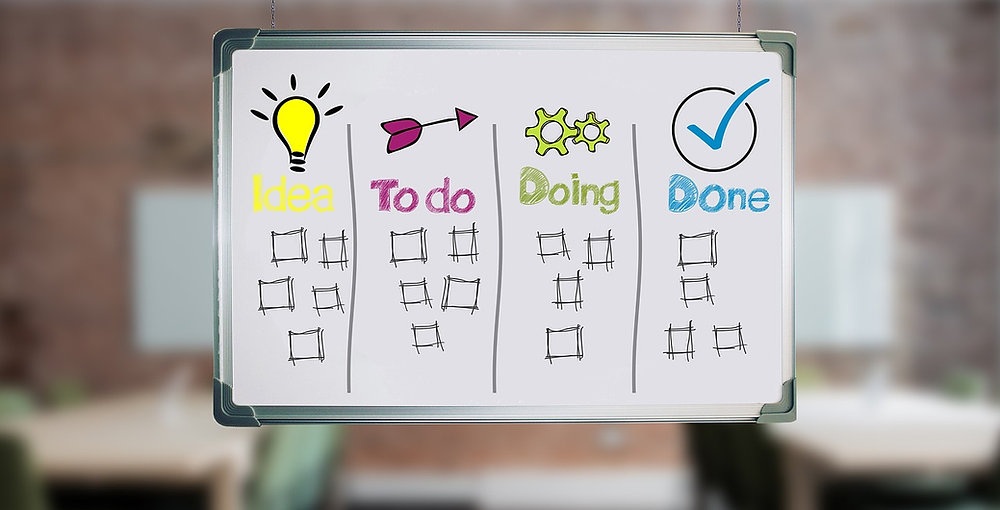
5 Key Project Management Techniques Every Construction PM Should Know
Project management doesn’t just apply to the construction industry. It covers almost every industry in the world and can therefore have a variety of different requirements and processes to follow. However, regardless of what you are managing, there is definitely a common denominator amongst all project managers and how they approach things. It all comes down to the techniques that they use to get their projects to the finish line. In my career as a project manager in the construction industry, I’ve had the opportunity to not only learn from my peers, but also from my own research. Unfortunately, not every organization actually takes the time to train the following techniques to their PM’s, and much of it is often left to them to figure out on their own. The following list isn’t all-encompassing by any means, but it definitely is something I would consider a minimum requirement in order to effectively manage a project in construction. For more details on any of the techniques listed below, simply do a quick google search and you’ll find there are quite a few free templates out there for you to utilize. The 5 Key Project Management Techniques The following list represents what I believe are the most important techniques PMs in construction should know. Not every project may warrant the use of every technique in this list, but the point is that this is the minimum requirement in terms of tools needed in order to help steer any project to the finish line successfully. 1. Utilize Tech Wherever Possible (UTWP) Okay I’ll be honest, I made UTWP up... but it’s at the top of my list for a reason! Utilizing technology to improve existing processes and workflows has been a staple of mine my whole career. I’ve been in the position where I, like many other PM’s out there, have waaaay too much on my plate. I’ve constantly explored ways of automating workflows, such as creating email templates, macros in excel, and other spreadsheet-related hacks. Once I discovered modern construction software, I realized the potential it offered and how it could make my life so much easier. The ideal construction management software typically adopts some of the principles listed below and allows PMs to decrease the time required to manage their projects. This allows them to start focusing more on the important things, or as I like to call them, the ‘big brain’ activities, such as planning, forecasting, and managing their teams. In my opinion, there is no better software to assist a PM on their projects than Construction Workflow Automation (CWA). It puts PMs in the driver seat and lets them tell the software exactly what they need it to do, not the other way around. 2. Work Breakdown Structure (WBS) This one is real, I promise! A work breakdown structure is used by most PMs before they start building out the project schedule. It lays a solid foundation for your construction project and allows your team to easily see the different aspects of the job, without being overwhelmed at first glance. Why should you use it though? A well planned WBS breaks down the work into smaller, more manageable chunks. It allows you to divide and conquer by easily assigning tasks to your team members and illustrate any hierarchy or dependencies between them. You can think of it as a map which illustrates the flow of each of the tasks on the project. A WBS is usually created by the entire leadership team on a project, including PM’s, Supervisors, Designers, and PCs. The first WBS is usually very high level, and can be broken down further into smaller sub-deliverables as more and more eyes view it. More detailed WBSs can be made from the first one, until the team reaches a point where each task can be assigned to a specific person to accomplish. 3. The Kanban Methodology - for task management and greater efficiency This methodology was originally developed and used in the manufacturing industry and is a staple in the lean manufacturing process today. It’s become so popular now, that many project management software solutions include default views for Kanban boards which help organize tasks. Kanban can be used to help monitor and manage projects by emphasizing continuous delivery and providing everyone with a clear view and understanding of the progress and flow of each task within the project. This can not only help you manage your projects and teams, but can also really help organize your day-to-day personal tasks as well! It’s really been a lifesaver for me in my career, and fortunately now we are in an era of innovation where automations can be built on top of methodologies such as Kanban. These solutions already exist today and can be seen in bunches in the CRM space. Companies like OnTraccr are taking advantage of these features and extending them to their construction audience so that they, too, can benefit from this form of organization without having to purchase additional software. 4. Gantt Charts - for project scheduling and planning These are another visual aid for PMs and project team members. In fact, Gantt charts are so useful that most construction companies have been using Gantt charts for decades to help plot out their project schedules, especially since the introduction of Microsoft Project. There is so much you can do with a Gannt chart, from simply scheduling tasks for one or more projects, planning in sprints, plotting milestones, and comparing scheduled vs. actual timelines for projects. As with Kanban, there are now several apps out there that allow you to plan your project in a Gantt view, most of which are even easier to use than MS Project. With the levels of Artificial Intelligence (AI) being added to the industry on an ongoing basis, it’s only a matter of time before this becomes a staple in every construction project management solution. 5. The Pomodoro Technique - to organize your daily tasks and keep you focused Despite having the above methods in place, and even organizing your personal tasks in a Kanban board, there is always a time where it is not clear or easy to see which tasks are a priority, and which ones you should work on during the day. This is where the Pomodoro technique comes into play. This technique prompts you to first plan out the 5 most important tasks for the day that you must accomplish. This can be done either in the evening, or the morning before you start your work day. The way you organize the priority of these tasks is by numbering them from 1 to 5. You must complete the tasks in the order in which you wrote them down, and each task is assigned a time estimate in the form of 25 minute blocks. Each of these blocks is separated by a 5 minute break, which allows you to take a rest and regroup for another 25 minute focused session. By breaking down each task this way and only filling out one pomodoro (time block) after you have completed a focused 25 minute session, this allows you to hold yourself accountable but also reward yourself for short, focused work. You’d be surprised how well this works as it helps you work with the time you have as opposed to against it! Closing Remarks As I mentioned above, there are a variety of other PM techniques out there that may also apply to construction. The main point here is that it is essential to keep honing your skills and constantly look to technology to help increase your productivity. If you’re lucky enough to be part of an organization that offers you the tools and education you need, then this advice still applies to you! It’s always good to be proactive and find any edge you can. So get ahead of the construction industry and learn to make evaluating your current techniques a constant habit in order to increase the rate of your own productivity. If you enjoyed this article, join our mailing list now to receive all the latest articles and stay up-to-date on what Ontraccr is developing to bring automation to the construction industry!

3 Ways Artificial Intelligence Is Changing Construction
AI development is one of the fastest growing sectors in technology. Just like the personal assistant AI offered by Apple, Google, and Samsung (among others) for their smart products, there are AI systems aimed at easing some of the stresses that come with managing a development project. While the applications for AI are nearly endless, today we’re going to dive into three ways AI will positively influence the construction industry by means of safety, generative design, and efficiency through robots. 1. Safety Active construction sites can be dangerous places for workers, so why not take every measure possible to prevent worksite injuries? While drones are already being used to monitor worksite progress, Skycatch is developing drones with AI “brains” that can identify every object on a worksite and determine if there are any potential safety risks that may not have been noticed on the ground. INDUS.AI also offers a similar security AI system that can alert you of workers not maintaining proper physical distancing, workers not working sufficient PPE, and even alert you of people entering into exclusion zones on the worksite. The best part? AI surveillance is available 24/7, so your worksite is always under careful watch. 2. Generative Design By harnessing the power of Machine Learning (a form of AI discussed in our post here), a firm can create detailed models that minimize clashes between design goals in a project by using generative design software. Multiple parameters can be controlled when generating designs, such as designing a theatre room to fill a large audience capacity while still ensuring everyone has a good, unobstructed view of the show. Instead of a design team wracking their brains for hours trying to figure out the best room dimensions, they could simply make use of one of the available generative design programs on the market. By setting the software to control for size and view, it will continuously generate design iterations, learning from each as it goes along, until it produces a good match of what the developer is trying to achieve, and several alternate designs to be considered. Smaller contractor groups can benefit from receiving several models to consider, ensuring that they make the most of their materials to minimize costs. By making use of generative design software, a design team might even encounter models that they wouldn’t have come up with on their own! The three-story 60, 000 square foot Autodesk Technology Centre in Toronto is one example of a generatively designed building. The design team consulted with 250 Autodesk employees with regards to their preferences like natural light, the distance between tables, the outside view from the office, and more. When all parameters were set into their proprietary design tool Project Discover, they received over 10, 000 different design ideas for the office space! 3. Robots While sophisticated robots designed specifically for use in the construction field may be a little further out of reach right now, the industry is moving fast. With the filing of a patent for an automated bricklaying machine in 2005, the Hadrian X is the result of 15 years of research and development. Created by the Australian company FBR, the Hadrian X is an automated bricklaying machine that can work both day and night with no human intervention, greatly reducing project cost and improving site safety during less-than-ideal conditions. The impressive machine has already seen use in building projects, having completed both its first two-storey structures, and a commercial and community centre in Byford, Western Australia in 2020 during the on-going COVID-19 pandemic. The Hadrian X is under active development, and the level of sophistication can only move ahead in the years to come. The technology in the construction sector will keep getting more sophisticated in upcoming years while new breakthrough ideas propel the industry forward to improve safety, design, and the limits of what we can achieve. Final Thoughts This was just a very bite-sized post of all the possibilities that AI brings to the construction industry. Combined with regular human vigilance, a passion for design, and the desire to keep moving forward, AI can greatly supplement a firm’s workforce, regardless of whether they’re building skyscrapers and want to maintain site safety and security, or a smaller firm looking to maximize efficiency during their builds. It's important to remember that AI systems will not be able to complete projects completely by themselves and will still require human interaction to operate. But the glue that can bridge AI together with the human workforce is Construction Workflow Automation (CWA). The combination of AI and CWA has the potential to completely change the way construction works. Exciting times for the industry! If you enjoyed this article, join our mailing list now to receive all the latest articles and stay up-to-date on what Ontraccr is developing to bring automation to the construction industry!

Tips on Improving Construction Vendor Management
We’ve all been there. Instructions were clearly spelled out, reminders were sent several times, yet the vendor is still late in delivering their goods. Whether it’s rebar, windows, electrical transformers, or simply paper, not having the material delivered to a project on time can cause serious delays and, in some cases, bring the project to a complete standstill. This is why managing vendors is such an important part of a contractor's operations. When managing a variety of different vendors, it’s essential to collect and track the right information so that your organization can determine if things are working effectively or if you need to consider a replacement. Having a project stall because of a vendor is usually avoidable and can be a sign of poor vendor management. By following the tips below you can increase your chances and start making smarter decisions, especially when it comes to who you decide to write the purchase orders to. Need help managing project delays? We wrote a series of articles to help, check them out here! 1. Deploy a Vendor Onboarding Process Every time a new vendor begins working with your company, it is crucial that you let them know what your expectations are. Simply thinking they should know already, or that it is common knowledge, won’t get you anywhere and is often the leading cause of you slipping down their priority list. The best way to get this accomplished is through an onboarding process which includes the following: Access to your system: If you currently use a project management system, or some other type of platform, it is key to get them setup on there with the correct permissions so that communications are streamlined. Contacts: Ensure that the vendor has a complete list of your primary contacts for specific business operations such as where invoices need to be sent, who to talk to for price negotiations, and perhaps site contact information. Communications: If there are any specific instructions or communications methods required for your business or project, it is critical that you provide these details to your vendor (email is preferred because it is traceable). Let them know who is the site contact, who is the purchaser, who is the PM, etc. Spell out expectations for everything: If you’re accustomed to a specific method of invoicing, or a specific way of receiving shop drawings or material, it is important to let the vendor know ahead of time so that they can ensure they are covered and able to provide the services you requested. It is best to do this before even giving a PO because it allows everyone to price in extra overhead if required, giving them no excuse not to provide the service you had requested. Security access: If your project or site requires a list of people who will need access, it’s important to let your vendor know so that they can provide a list of their employees who will be visiting your site. This will ensure that there is no hiccup when it comes to delivering goods to your project. 2. Use a Scorecard to Evaluate Vendor Performance Projects can last for years and your vendor relationships can last even longer. If you can take the time to evaluate your project periodically, it is equally as important to do the same with your vendors. A vendor scorecard is a tool used to identify problems early and ensure that you are consistently monitoring critical components of your relationships. Some of the most important qualities to evaluate are as follows: Operations: Evaluating a vendor's operational performance involves rating them based on their timeliness, quality of materials, and ability to follow specific instructions. Customer service: Asking your staff to rate vendors is really powerful as they can let you know of critical information you would otherwise never see. For example, if they often find themselves waiting around excessively for materials that should be ready for pickup, this would be costing you at the rate of your workers hourly salary. Safety: Safety is always the #1 priority, so if your vendor isn’t following your safety policies, or is found placing people in danger when delivering goods, this shouldn’t be taken lightly. Always grade vendors on safety and ask your site crews if they see any issues with delivery personnel. Flexibility and value added services: Projects never go as planned and plans can change very quickly. This is why evaluating vendors based on their flexibility and ability to help you solve problems is so important. If you find that your vendor is constantly looking to put in a change request for an order, instead of working with you to find a cost effective solution, it’s time to look elsewhere. 3. Take Advantage of Vendor Data and Your Accounting Software If you’re not tracking this already, you’ll be surprised to see what you actually pay a vendor in a given year. It’s important to track this information because you can then use it to negotiate for better pricing in the future. Vendors have special discounts that they can offer based on the volume you purchase from them, so it’s important to know this information for future negotiations. 4. Keep a Record of Vendor Failures and Successes Vendor failures unfortunately happen all the time in construction. The impact may be massive, or there may be none at all. Regardless, each and every moment of failure, or even success, should be recorded as part of a standard process throughout your organization. Combining this with the scorecard system will allow you to not only rank vendors by performance, but also by their unique value added services or flaws. Final Remarks In summary, vendor management is all about managing and mitigating risks. Most contractors know firsthand that a vendor can be critical in being able to deliver a project on time and within budget. Therefore, it is important that you start making this a part of your normal practice if you haven’t done so already. We all have those projects where you want to put your best foot forward, and try to do anything possible to impress a client. Knowing your vendors and ensuring you have the right one for the job can be a make or break factor, so once again don’t take this lightly. A helpful tool that can be used for this is CRM-type software. There are a ton of them out there, and some even construction specific like Ontraccr. If you enjoyed this article, join our mailing list now to receive all the latest articles and stay up-to-date on what Ontraccr is developing to bring automation to the construction industry!

Tips on Managing Multiple Projects in Construction
In my last article, I talked about the main organizational differences between small and large contractors. In case you missed it, check it out here. As I mentioned, larger contractors tend to avoid having their PMs manage multiple projects unless they have the support structure to do so. On the other hand, smaller contractors tend to take the opposite approach, where emphasis is placed on winning more projects to increase revenue, regardless of their workload. Either way, there will always be times in a PM or Supervisor’s career where they are faced with having to manage multiple projects at the same time. I’ve experienced this struggle many times in my career so I know exactly how challenging it can be. Managing multiple projects means that you’re constantly juggling between various project activities, deliverables, deadlines, clients, and stakeholders. If not managed effectively, the quality of work tends to suffer and problems quickly start adding up. This is especially true during the peak seasons, where RFIs, SIs, procurement, and other various construction documents quickly pile up across the board. It's hard to breathe sometimes! Throughout my career, I've managed to compile a list of crucial tips that have helped me manage multiple projects effectively. Without further ado, let's dive in! Tips on How to Manage Multiple Projects Concurrently 1. Don’t Multi-task This may sound counterintuitive, especially considering that this article is about managing multiple projects at once. However, there are several studies out there which prove multi-tasking is actually less productive than focusing on one thing at a time. This is likely due to the fact that you’re more likely to enter a ‘flow’ state while devoting your entire focus on one task at a time, allowing you to complete it not only faster, but also more accurately. This is so important to understand that I wanted to make it #1 on this list as this has helped me get through some crazy times in my career! 2. Plan, Collaborate, and Plan Some More “Before anything else, preparation is the key to success.” - Alexander Graham Bell This can’t be stated enough. A project is only as good as the plan behind it, and without a good one, it is impossible to guarantee success. This especially holds true when dealing with multiple projects. Before every project, it is essential to come up with a detailed plan together with your team and stakeholders to ensure that everyone is on the same page. This includes risk management, resource management, time tracking, capacity planning, communications, contingency plans and much more. Ideally this planning is non-stop, and should be common practice throughout the life of the project. The best way to do this is to set up weekly or bi-weekly meetings to discuss issues and collaborate on ideas when required. For those who've worked in the tech industry, using a planning methodology such as Agile can easily translate over to construction where tasks are planned in bi-weekly ‘sprints’, and each task is weighted based on assigned ‘points’. 3. Organize Everything and Everyone It is easy to get bogged down when you’re working on a multitude of projects. The key to success in this case is organization. It is impossible to have a productive day, week, or month without an organized workspace for both yourself and your team. It is essential to organize things like construction & project documents in a universal methodology across your organization so that there is no confusion when trying to access specific documents. Organizing your team and the roles and expectations of each member is also another extremely important activity. Using tools such as RACI matrices can provide an easy resource for anyone to quickly view who is responsible for what. 4. Have Visibility Across All Your Projects There is nothing worse than spending valuable time having to scramble to find important project information because of the lack of visibility or no unified structure across all your projects. If you follow the same convention across all your projects, jumping from one project to the next will be a much smoother process. Visibility doesn’t just stop there though. With today’s era of technology, it’s even easier for managers to get detailed insights into what is going on in ALL their projects. This is especially true through the use of a construction project management software. Managers don’t need to be at a job site to know what is happening, and technology is just getting started in construction and is a great way to hack your productivity and profitability. 5. Learn to Prioritize It’s essential to know what is important and what’s not. When managing multiple projects you have to get used to the habit of not only creating task lists but assigning priority flags to each of those tasks along with due dates. This will help tremendously in planning your day and ensuring you’re working on the right things at the right time. 6. Delegate As mentioned earlier, planning is a massive skill that project managers should look to build on at any stage in their career. However, a big part of managing others is being able to delegate tasks to the right people. This is hugely important, as there is no way a PM can do everything when managing several projects at once. Learning when and what to ‘let go’ is an essential skill which requires being able to train others on your methodologies. Communication is key and progress updates should be a staple for you to keep track of things you no longer oversee. 7. Say No & Avoid Distractions It’s completely natural for most people to want to help out their teams in any way they can. Although everyone likes to be the hero, it’s important to only do so within your own abilities and capacity. Always fall back to your task list and the order of priority in which things need to be done in order to determine if you can shuffle things around to lend a hand. If presented with an order from a superior to do something, it is essential to communicate with them and perhaps ask them what they would like for you to drop in order to work on what they are asking. Oftentimes you’ll find they will look elsewhere when presented with your current workload and priority list. 8. Always Finish at Least 1 Important Task per Day I don’t know about you, but nothing feels better to me than crossing off tasks from my to-do list. Well, maybe a few things but you get the picture. Moral victories are huge and help keep the momentum going from day to day. Therefore it is essential to not bite off more than you can chew, and break down larger tasks into smaller ones. This way you can take in those small wins and cross off the smaller tasks as you go along. 9. Make Use of Software This one is pretty simple. There are so many project management software solutions out there now, some even specific to the construction industry. However, the problem with most of these software solutions is that they require significantly more overhead to manage and maintain. This is simply not feasible for most contractors so, for the most part, they have been neglected to-date. Luckily there are newer software companies out there which can provide automations on top of their project management layers. This is huge because it can allow PMs to directly set up and manage their project-specific workflows, allowing them to sit back and focus on planning while the machine does all the tedious manual entry work. When exploring software, it's important to make sure you select the right type of software for your needs. Don't just adopt what the contractor next to you is using, because their internal structure and use-case for the software could be very different from yours. I would also highly recommend avoiding any solutions that require too much manual entry. If you deploy a solution that still requires you to manually update the data, the value you will get from the software can end up being minimal in the end. The most exciting new software in the industry right now is Construction Workflow Automation (CWA). With CWA, you will be able to eliminate manual entry and have the software essentially act as your project management assistant which takes care of a lot of the tedious and repetitive tasks for you. Closing Remarks Managing multiple projects is no easy task, but it's something that all PMs have to manage at some point in their career. It takes discipline, time management skills, and a constant drive to stay organized in order to be successful. It's important not to get discouraged, especially when it seems like more things are being added to the list than being crossed off. Take a break, get some fresh air, and recognize that there will always be ups and downs in this career. If you're really struggling, or perhaps tired of doing things the hard way, software is your best friend. Take the time and select a management software that suites your organizations needs, and you'll thank me later. With companies like Ontraccr continuously improving their feature-set and automation layers, it's starting to become a no brainer in terms of adopting technology to help! If you enjoyed this article, join our mailing list now to receive all the latest articles and stay up-to-date on what Ontraccr is developing to bring automation to the construction industry!
The Operational Difference Between Small and Large Contractors
Depending on the size of your organization, you’ll know first hand the difficulties that can arise when having to manage multiple projects. I mentioned the size of your organization because, in my career, I found that smaller contractors tend to ask their PM’s to manage multiple projects far more often than larger ones. Of course there are several variables to this, such as the size and type of project and it’s duration, but for the most part this holds true. Why is that? Large Contractors Vs. Small Contractors Simple. It’s because larger contractors typically tend to place even more emphasis on delivering a project on time and within budget, ultimately asking their PM’s to report and track project costs and labour in much greater detail. Now this of course costs quite a bit more in terms of overhead to facilitate, so then they typically hire Project Coordinators and delegate a lot of the tedious tracking and manual entry work to them. Once the machine gets rolling, PM’s are typically phased from one project to the next, and even might find they have the time to take on more projects as long as they are supported by more PC’s. Smaller contractors typically don’t have this luxury. They often don’t have the budget and staff needed to accommodate the overhead requirements of a detailed project cost and budget tracking system, so they typically sacrifice that aspect entirely. Those of you who have only been on the larger contractor side of things might think this is crazy. Certainly in today’s day and age of technology it definitely is (I’ll get to why later on), but some still argue that it makes sense, and I can definitely relate based off of my first-hand experience working as a PM. By shifting to a basic budget and cost tracking system, smaller contractors typically free up more time for their PM’s to take on and manage more projects at once. This typically increases the overall revenue of the company, which is only a good thing if all the projects are managed effectively and turn a profit. In some cases this can be very effective and profitable, especially if the work that they tend to complete is repeatable, allowing their workers to become more efficient. So why then do most large contractors try to avoid having their PM’s manage multiple projects? Risk and Reputation Matter Simply put, it is far too risky for large contractors to go into a project without the proper tools and reporting required to give them the insights and ability to track and monitor progress. In an effort to be more proactive and less reactive, larger contractors typically have weighed out the risks of decreasing overhead and going into a project essentially blind, versus deploying a structured and organized tracking system that allows them to know exactly what is happening now and likely going to occur soon. This may have started as a project-specific system at first, which then evolved into every aspect of their business due to the measured success it provided. As a result, they now realize having a greater organizational emphasis on reporting and analytics allows them to take on more complex projects with higher margins, ultimately offsetting the increased overhead required to manage them. Not only that, the risk of the project falling out of budget is greatly reduced due to the forecasting and intelligent decision-making that can be made as a result. After all, there is nothing worse than using up valuable resources for 2-3 years, only to find that the project is unprofitable. The Difference In summary, larger contractors tend to take on more complex and less cookie cutter work, which is typically higher margin but requires much more overhead to manage. Their clients tend to look to them for more than just a cheap price, and evaluate other things such as quality of work, innovativeness, and other value added services as they understand that there is much more than just pricing that can affect project timelines and budget. On the other hand, smaller contractors stick to what they know and tend to put more emphasis on winning projects that are similar to past ones, particularly in an effort to increase profitability from repeatability. Their clients tend to focus more on the lowest price, and often fail to understand that other factors should be considered when evaluating a quote. As a result, the smaller contractors tend to not care too much about detailed cost tracking, and tend to ask PM’s to manage multiple projects in order to increase revenue. Although some do get away with this method, it may lead to a disaster eventually, especially if unprofitable projects start occurring more frequently. Are you a smaller contractor and are unsure how job costing can help your organization? If so, check out our article explaining why you must get started today! So you might wonder: is there a way to bring the detailed cost and labour tracking that larger contractors deploy onto the smaller projects? If so, will this disrupt or change the way small contractors do business? The Change the Industry Needed Construction Workflow Automation (CWA) is the answer. It is a tool that bridges the gap between the detailed cost tracking and project management that larger contractors can deploy, with that of the less detailed high volume approach of the smaller contractors. With CWA, smaller contractors can now automate a lot of the tedious manual entry that is required to deploy a detailed job costing system, ultimately giving them the ability to squeeze even more profitability out of their projects with no additional overhead. Ontraccr is the industry's first CWA-based software that allows contractors of all shapes and sizes to fully digitize their organizations without having to change the way they do things! That is huge because we all know that no two contractors do things the exact same way, which is why Ontraccr was built to mold to you, and not the other way around. By utilizing a CWA software like Ontraccr, small contractors can continue doing business the way they are used to, but do so much more efficiently. They not only gain deeper insights into their projects and costs, but also are able to further reduce overhead costs associated with manual entry. Larger contractors can benefit from CWA too! Gone are the days of having to spend major bucks on a custom on-premise solution, which may even require a whole host of hardware to deploy. With the introduction of the cloud, larger contractors need to shift away from these clunky software packages as they severely limit how their business can operate. By combining their knowledge of job costing and tracking, large contractors have the ability to quickly design custom company-specific CWA workflows such as document management, time tracking, billing, communications, and much more. CWA allows for PM’s to directly control and set their workflows and eliminate the need for a PC to keep up with the manual entry and tracking. Final Thoughts In the construction industry, shifting organizational focus towards technology has been a constant struggle. With the tight margins and lack of understanding from their clients, it’s easy to see why small contractors are reluctant to make any change to their “If it ain’t broke, don’t fix it” mentality. They simply can’t afford to test out new methods, or are just far too busy with the high volume of work on their plate. On top of it all, all of the existing solutions out there involve them having to use MORE overhead to manage the system due to the increased levels of manual entry required to feed their systems. As for the large contractors, they also have lots of room for improvement. They may be on the right track with the importance they place on budget and cost tracking, as well as analytics, but their current methods are grossly outdated. Manual entry and tedious work isn’t eliminated and instead is delegated, making it only possible to have this detailed level of tracking on projects with healthier margins and budgets in place for such management. This is why CWA is so important. It not only solves this problem directly by automating wherever possible and eliminating manual entry, but also decreases the overhead required to maintain your existing business workflows! This is exactly what the industry needs to bridge the gap between not only construction and technology, but also between large and small contractors and their operational differences. In the next article I will go over in detail the difficulties faced as a result of handling multiple projects, and some tips on how to do so effectively. If you enjoyed this article, join our mailing list now to receive all the latest articles and stay up-to-date on what Ontraccr is developing to bring automation to the construction industry.

The Role of Suppliers in Construction Innovation
It's clear that the construction industry has a long way to go in order to truly improve global productivity levels to satisfy increasing demands and manage labour shortages. In order to make this advancement, the industry needs more than just construction contractors to improve their planning and building processes, it requires every single player in the construction ecosystem to get creative and innovate collaboratively. One of the most important and influential players in this process is the supplier. Supply chains have been challenging since the beginning of time, and no one has ever been able to escape this challenge. In construction, developers, builders, contractors, manufacturers, distributors, and architects are all trying to reimagine a new path forward, all while trying to manage their own bottom lines. Of course, change is a major challenge for an industry like construction. Construction is highly risk-averse, fragmented, and complex. Time and cost overruns are the norm. Not to mention, contractors are constantly facing squeezed margins, making it difficult for them to find the resources to innovate in the first place. All of these issues have led to an industry culture based around speed and low costs. While construction businesses have every right to aim for these two goals at all times, the irony of this situation is that the emphasis on these two factors is also one of the major reasons why the industry can't move forward. To make matters worse, construction faces a huge global labour problem, affecting every single company in the ecosystem, from developers to suppliers. Everyone in the ecosystem is struggling to find ways around this problem and it continues to affect organizational decision-making to a large degree. As a supplier, you need to cater to this industry mindset of speed and the cheapest prices, manage your own supply chain issues, all while struggling to find enough labour on the plant and warehouse floors themselves. Boy does this sound challenging. According to a recent study by McKinsey Global, while today material distributors may represent up to 17% of the construction ecosystem, their value could erode significantly unless changes are made to their business models. 20% of respondents to McKinsey’s survey believe that failure to change could result in material distributors declining to the point of non-existence within 10 years. Suppliers simply must add more value to the services they provide in order to survive. However, the silver lining is that the COVID-19 pandemic has shaken the ground beneath this entire industry and has forced the entire ecosystem to re-evaluate how they operate their businesses. Construction companies of all kinds have been exploring a new wave of construction technology spanning everything from collaboration tools through to pre-fabrication. The good news is it's not too late for suppliers to collaborate with the rest of the ecosystem to both survive and thrive in the new age of fully-digitized construction companies. There are many different ways suppliers can play their part to innovate and move the industry forward. Here are a few of the more prominent examples. Partnerships Suppliers shouldn't just maintain a simple vendor-customer relationship with their contractor clients. Instead, they should play a more active role in their client construction projects to better understand the required timelines and forecast demand far in advance. At the end of the day, contractors will want to work with supplier partners who can provide value-added services that go above and beyond any other ordinary supplier. If you can help your clients throughout their project lifecycles, you will not only be able to better manage your own supply chain, but you will also make your clients extremely happy. Automation Just like contractors, builders, and developers, suppliers too can find ways to introduce automation into their operations. Automation doesn't necessarily mean finding a super intelligent i-Robot to run your warehouse and plant operations. Rather, suppliers can start by finding ways to automate their logistical and back-office workflows. The perfect technology to explore here is Construction Workflow Automation (CWA). With CWA, suppliers can fully automate workflows across order fulfillment, purchasing, inventory management, procurement, and much more. By focusing on streamlining existing workflows as much as possible for logistics and office teams, companies can increase efficiencies to a point where they can offset the gap being created by labour shortages. Getting workers to work alongside full software automation can enable suppliers to support a lower headcount but still maintain high output levels for their clients. After CWA, suppliers can then start to explore hardware-based automation such as warehouse robotics and smart machinery. Automation can truly help suppliers in ways that will allow this construction segment to grow alongside the rest of the industry. Data Analytics The industry needs to move away from the just-in-time model and focus on more predictive models based on real-time data. By deploying data analytics platforms, suppliers can become more sophisticated in how they forecast demand, segment their clientele to better understand material needs, and improve the management of their own supply chain. But suppliers should not explore data analytics in a silo. This must be a collaborative effort with their contractors and builders. Bring contractors into the mix by providing private access to a subset of the data so they themselves can anticipate delivery timelines far in advance and plan for their own projects accordingly. By collaborating with your clients, you will set yourself apart as a true supplier partner who is not just interested in offering the best competitive price out there, but as a partner who wants to help clients deliver their project on time and under budget! Suppliers collaborating with the rest of the construction ecosystem through a shared data paradigm will increase transparency across the board and encourage all parties to learn and work together. Want to get started with your new data analytics strategy today? Check out our article here for a quick 3 step guide! Prefabrication Rest assured, modular construction is not just a fad. It's here to stay. The suppliers who embrace new prefabrication methods are the ones who will come out on top in the long run. Use your data analytics platform to compile a picture of what your various client segments typically require the most and when. Work with your clients to understand what they need the materials for and whether there are any prefabricated opportunities available for repeatable building components. Using this intel, suppliers can implement new prefabrication strategies to unlock additional revenue opportunities and help their customers build faster. Marketplaces Another big issue holding the industry back is that there is no standardized marketplace for contractors to connect with suppliers, compare prices, and make purchases seamlessly. Instead, what we have is a highly-fragmented wild west approach where contractors must do a lot of legwork to get out there and make their material purchasing decisions. This is terrible for the industry as it forces contractors to spend way too much time finding materials. And for the contractors that don't want to go through that effort, they end up sticking to suppliers they're familiar with, even though those suppliers may still be offering higher prices and facing their own supply chain issues. It's hard for contractors to really find the best fit for their projects. It's time for suppliers to get on-board with the idea of joining a construction marketplace and advertising their products via this new channel. Conclusion In order for innovation to happen successfully in the highly complex and fragmented construction industry, it will require collaborative efforts from every kind of company in the industry's ecosystem. While builders and contractors find new ways to improve project planning and on-site productivity, suppliers must find new ways to manage supply chains and forecast demand as early as possible. Suppliers can form better partnerships with their clients, deploy automation, become data-driven, embrace modularization, and find new advertising channels. All of these efforts represent significant advancements for not just suppliers alone, but for the entire industry. If you enjoyed this article, join our mailing list now to receive all the latest articles and stay up-to-date on what Ontraccr is developing to bring automation to the construction industry!
A Quick Guide on Construction Bonds
In construction there are a lot of risks that can occur over the course of a project, both physical and financial in nature. As a result, measures such as insurance and bonding have been developed to help mitigate these risks and provide stakeholders the protection and peace of mind they need in order to get started. As I mentioned before in my previous post about insurance (in case you missed it, check it out here), bonding is simply a means of protection for the owner against non-payment, poor performance, defaults, and warranty issues. There are actually several different types of construction bonds available, with new ones constantly being added as needs evolve. In this article, we will focus on the most common types of bonding found in construction, breaking down who buys them, who can make claims, and how much they might cost. What is a Construction Bond? It is often beneficial to think of construction bonding in the same light as an insurance policy, with the main difference being that a bond contract is between 3 parties (obligee, principal, and surety), whereas insurance is just two. Insurance and Bonding differ in a couple of other aspects as well. For example, an insurance provider typically holds all the financial risk, whereas in bonding the risk is held by the applicant. Typically, a contractor purchases a bond to either protect themselves and/or the project owner from potential issues during the course of a project. If a problem arises, the project owner (obligee) can file a claim against the principal, ultimately recovering the additional costs they incurred due to the default. This is where things get a little different than insurance. Once a bond claim has been paid to an owner (obligee), the contractor (principal) must then pay back the surety for any money they paid out on the contractor's behalf. When is Bonding Required? Bonds are used in construction whenever the owner of a project requires additional protection. This is generally the case for most federal and public projects, and is becoming increasingly popular for smaller private projects as well. Basically, any project owner can ask contractors or suppliers to provide surety bonds. The costs for these bonds are then typically forwarded back to the owner by adding them to the original contract price. 3 Common Types of Construction Bonds 1. Bid Bonds - These bonds are designed to provide reassurance to a project owner that a contractor will follow through with their bid/quote, ultimately signing a contract for the quoted amount if they were awarded the job. This typically protects owners by preventing GC’s from backing out of a bid due to a variety of reasons such as inadvertently omitting something in their bid, or discovering that they made a mistake. Cost: Some sureties don’t even charge for these bonds since their clients will often purchase a performance or payment bond as a result of winning the bid. Worst case, this should only cost you a couple hundred dollars. 2. Performance Bonds - A performance bond guarantees that a contractor will perform the work according to the scope of work outlined in the contract. These bonds protect owners from contractors defaulting during the course of construction. This is critical because having to pay someone else halfway through a project to come in and complete the work usually costs way more money. That is where a performance bond comes in. In the event that a contractor defaults and you have to bring in a replacement, all costs associated with the replacement are paid by the surety, and then forwarded to the defaulting party. Cost: These bonds typically cost contractors anywhere from 1-3% of the total contract price. 3. Payment Bonds - Payment bonds guarantee that a contractor will pay their lower tier subcontractors, as well as protect the property owner from claims against the property title for non-payment. Typically these bonds are required on most public projects as they ensure that trades will get paid for the work they do. Under this bond, the GC is the principal, and suppliers and subcontractors are the obligees. Cost: These bonds typically cost about 3% of the value of the contract, but vary greatly based on the credit history of the contractor. Other Construction Bonds Maintenance Bonds Subdivision Bonds Site Improvement Bonds Labour and Material Bonds Bad Credit Bond Fiduciary Bonds Surety’s Consent of Agreement to Bond How to Get a Bond? If you’re looking to purchase a bond, the first thing you’ll need to do is search for a surety company. These companies are the bond providers and will be responsible for paying any claims that may arise. You may obtain a list of surety companies from your insurance agency or you can find one specializing in construction bonding yourself. Typically, if you work with an agency you’ll only have to fill out one application and they will do the shopping for you and provide you with a list of the best options for your situation. Upon submitting your bond application, the next step will be the most detailed one. You will need to submit some additional information and documentation to go along with your application such as financial statements, work history, and project references. The sureties will use this information to assess your risk level in order to provide you with a proposal. That is when you make your selection and choose the surety that is best for you and your situation. That’s it, you’re bonded! Manages Risks with Bonds Simply put, construction bonds are a risk management tool for contractors and suppliers. They help protect stakeholders from financial harm, and provide reassurance that one bad egg won’t spoil the whole project for everyone. Ideally, and if used correctly, bonds provide benefits for all parties involved on a construction project and they are typically well worth the costs due to the magnitude of risks that they mitigate. If you enjoyed this article, join our mailing list now to receive all the latest articles and stay up-to-date on what Ontraccr is developing to bring automation to the construction industry!
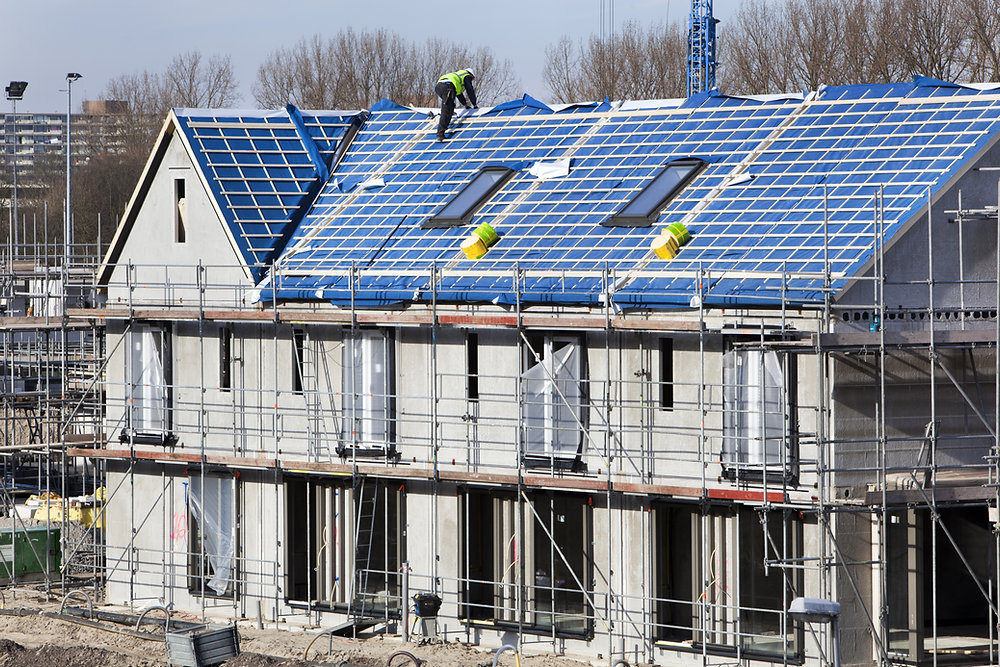
When Is Construction Insurance Necessary?
Insurance is expensive, and it often gets you thinking - is this really something I need or can I get away without it? In many cases, insurance is not only just necessary, it is mandatory. But before we get into how or why, it’s important to understand that the term construction insurance is actually an umbrella term which captures several different types of insurance policies. For a breakdown of some of the most common kinds of insurance in construction, check out my last article here. Expanding further on the topic of insurance, in this article I will focus more on when each of these policies apply to your business, as well as discuss some other factors to consider that may affect how much you end up paying. Insurance rates have been increasing year over year over the last decade, and although I believe a lack of skilled labour is a big part of the problem on a national level, there are still other factors to consider that can greatly impact your individual insurance costs. Five Factors That Can Affect Your Insurance Rates A variety of factors can affect the cost of construction insurance policies. Although some of these policies differ greatly in terms of what they cover or who provides them, the factors listed below often have the same influence on each of them in terms of the price you pay. The credit histories of your business, policy holder, and named insureds The size of the project and business The experience of your business and other contractors The coverage limits and deductibles selected The location of your business or project There may be other factors that can affect the cost of your insurance, especially if there are special or unique risks involved, but the factors listed above are typically what most underwriters use to estimate the risk associated with insuring your business/project. Average Costs of Insurance Policies for Contractors You may have seen some of these policies in my previous post. This list below recaps the different types of construction insurance policies which apply to a broader range of contractors and the average annual premiums you can expect to pay (in Canada). 1. General Liability Insurance - $500 to $1500 / year This is one of the most important and common insurance coverages. It covers claims that arise as a result of damage a contractor causes a third party during the course of construction. Before you start work on any project, make sure you have this in place! Required? - Usually, but it depends on the size of the project and the owner's risk tolerance. As with some of the other policies below in the list, it is more likely for it to be required. 2. Equipment Coverage (Inland Marine Insurance) - $2000 to $3000 / year This type of insurance protects your equipment from natural events and theft. The range of equipment it covers can be anything from hand tools to heavy machinery. It is also commonly known as inland marine coverage, but that is slightly outdated now as the policy extends much further than just the marine sector. For example, some policies can cover a contractor's tools and clothing, as well as leased and borrowed equipment. Required? - Sometimes. Typically if you have equipment, tools, or computers that are valuable, it might be worth insuring regardless of it being required or not. You may purchase extended warranties for individual products to mitigate the risk, but some of them don't cover certain events such as theft or accidental damage. 3. Professional Liability Insurance - $800 to $4000 / year This is the type of insurance that is extremely important for consultants and engineers. This coverage protects business owners from the costs associated with third party liability lawsuits or claims against you or your business. Required? - Although this type of insurance isn’t required, it is highly recommended, especially depending on the nature of your business. 4. Workers Compensation Coverage - $4000 to $8000 / employee This insurance covers your company's employees in the event they are injured while performing their jobs. This may be the most expensive part about insuring your business so it is worth shopping around and finding a carrier that has the ability to mitigate these costs for you if that is an option. Required? - Usually this is required as long as you have employees. 5. Builders Risk Insurance - 1-5% of the project cost This insurance policy is sometimes referred to as course of construction insurance (COC), and it involves the coverage of buildings and other structures while they are under construction. For unique projects, there are typically options to purchase additional premium coverages to extend the limits of your policy and the insurable events. Required? - This is usually required as well, as the risk to not have this in place is normally too high for most projects. 6. Commercial Auto Insurance - $800 to $5000 / vehicle As the name suggests, this coverage is for contractors who have work vehicles for their business operations. This covers not only the vehicle but bodily harm as well as the result of an accident. Required? - Yes, this is always required as long as you have commercial vehicles. 7. Surety Bonds - $100 to $10,000 / year Surety Bonds are an agreement between three parties, whereas the traditional insurance policy is an agreement between two. In this arrangement, the surety (Bond provider) provides a safety net for the oblige (your client, the owner, GC, etc) in the event you default on the terms of the contract. Required? - Sometimes. This depends on the requirements enforced by the owner of the project, or the General Contractor, but is becoming more and more common these days. Final Thoughts As you can see, there is no simple formula to determine which policy is relevant to your business. To determine which insurance policies apply, you must first assess the unique requirements of your business or project. If you are thinking about bidding on a project, go over all contract documents prior to even placing a bid! No two businesses are the same, and that applies to projects as well. Take time to go over your business plan and identify key areas where insurance can help mitigate risks. The cost of each policy can also vary greatly in some cases due to some of the factors listed above such as location. On an even more personal level, things such as your credit score, years of experience, and size of your company, will also have a massive impact on the rates you will receive. Finally, you may have noticed that the 7th policy listed above, Surety Bonds, is different from typical insurance policies in this list. Next week, I’ll dive deeper into what exactly bonds are, and the different kinds you typically find in construction. If you enjoyed this article, join our mailing list now to receive all the latest articles and stay up-to-date on what Ontraccr is developing to bring automation to the construction industry!

Dealing With Rising Insurance Costs in Construction
Increasing material costs, supply chain issues, manufacturing delays, and labour shortages are just some of the problems faced by contractors in the post pandemic world today. However, one cost in particular has been getting very little attention as of late; insurance. Some of you may have noticed that your annual insurance rates have been increasing year over year over the last decade. As of late, these price increases have been happening more rapidly and I believe there is a very significant chance that this is due to a lack of skilled workers throughout the industry. You might be wondering - How can a lack of skilled workers drive the cost of insurance to rise? Before we dive into that, it’s first beneficial to understand the types of insurance often found in construction. No two contractors operate in the same way, therefore a contractor's insurance coverage is often as unique as their business. It is essential to know the basics of what is required to mitigate the operational risks of your business, both now and in the future. The list below quickly outlines some of the most common types of insurance policies that you should be aware of to ensure you have the best protection. Common Types of Insurance for Contractors The list below typically applies to most contractors who need the bare essentials when it comes to insurance. For larger contractors or projects, there may be additional requirements such as bonding, environmental, and professional liability insurance, that are unique to their project requirements. 1. General Liability Insurance This is one of the most important and common insurances. It covers claims that arise as a result of damage a contractor causes a third party during the course of construction. Before you start work on any project, make sure you have this in place! 2. Completed Operation Insurance This type may not be included in general liability insurance. The main difference is that completed operation insurance covers the liability of your work after the project is complete, whereas general liability insurance covers your project during ongoing construction. This is very important for specific contractors such as electrical, where there is a risk of fire post construction. 3. Equipment Coverage This type of insurance protects your equipment from natural events and theft. The range of equipment it covers can be anything from hand tools to heavy machinery. 4. Workers Compensation Coverage This insurance covers your company's employees in the event they are injured while performing their jobs. This may be the most expensive part about insuring your business so it is worth shopping around and finding a carrier that has the ability to mitigate these costs for you. 5. Property Insurance This only applies to larger contractors who have a warehouse or a lot to store heavy machinery. As the name suggests, it covers damages related to your property and the structures on it. If you lease or work from a home office, this insurance is not required. 6. Commercial Auto Insurance This coverage is for contractors who have work vehicles for their business operations. This covers not only the vehicle but bodily harm as well as the result of an accident. Now that you have an idea of the different types of insurance for construction, it will be easier to see how poor workmanship can impact the number of claims for some of the above policies. The Trickle Down Effect of the Skilled Labour Shortage Skilled workers are hard to find. According to Buildforce Canada, they estimate that there are about 257,000 workers retiring by the end of 2029. This, combined with the fact that the volume of construction activity is constantly on the rise, means that Canada needs to hire more than 300,000 workers by 2029 to compensate for the retiring workforce. So how does this impact insurance rates? A lack of skilled workers means construction projects are likely starting to suffer from a lack of quality and craftsmanship. This alone is one of the leading causes of insurance claims in Canada, with water damage being a close second. According to Darren Tasker, the head of energy and construction for Allianz Global Corporate & Speciality, claims related to faulty workmanship and design defects are ranked number 1 in terms of frequency of occurrence, and lately they are becoming even more frequent. This lack of skilled labour means contractors are forced to send their 3rd, 4th, or worst skilled team to work on technical projects. They simply can’t keep up with filling their organizational gaps, especially during the pandemic, so their quality of work is starting to suffer. As a result, there are now more claims happening due to faulty workmanship, which is likely due to unskilled or inexperienced workers making more and more mistakes. What Can Contractors Do to Mitigate This? Insurance is an essential mitigation tool in the construction industry. First things first, make sure you are properly covered in terms of insurance and your day to day operations. It is essential to assess your current insurance package to make sure it covers all aspects of your business. Make sure to shop around for the best rates and packages, and ask your fellow industry members who they would recommend. If finding skilled labour is a serious problem for you, you might want to consider bringing in foreign contractors. This can be a risky venture, but something to consider as there are quite a few foreign firms who have extensive experience working in Canada. This may help mitigate the risk of deficiencies and provide a more secure foundation for your company to work with. Lastly, investing in the time and care to improve employee retention rates might be worthwhile as the struggle to find skilled replacements continues. Happy employees tend to not look elsewhere for work. Take the time to listen to their ambitions and concerns to help generate a structure that works for everyone. Stay tuned next week for an article that dives deeper into the types of insurance for all sized contractors and the role each can play in your business. If you enjoyed this article, join our mailing list now to receive all the latest articles and stay up-to-date on what Ontraccr is developing to bring automation to the construction industry!

5 Reasons Why Construction Needs Cloud Technology
Of all the technology innovations to hit the market in the last few decades, one of the most transformational technologies in recent memory has been the advent of the cloud. Cloud technology has completely changed the landscape of many different industries including, more recently, the construction industry. Nearly everyone in the business world is very familiar with the term 'the cloud' by now, but for those of you who haven't had the chance to dive in to this ground-breaking technology yet, here's a quick (non-technical) recap: Life Before the Cloud Prior to the cloud, businesses were forced to invest in an IT infrastructure in order for local servers or computers to host their core business applications and data. This meant deploying dedicated hardware to host and run your mission-critical applications. This also meant hiring an IT team to manage, troubleshoot, and upgrade that infrastructure over time while business processes continued to evolve. This essentially meant that your data was stored locally and, in order to access that data, you would need to pass through some specific channels. For example, if your data was stored on the hard drive of a computer, you may only be able to access the data from that specific computer. Or if someone outside of your local network needed access to the data, you would need to store that data on a server local to your network and provide the employee, who is external to your network, with secure access into the network in order to retrieve the data from the shared location. Not only was this setup complex to manage but it was also prohibitive for an employee trying to do their job. The employee would need to understand the IT process involved just for them to simply have access to the information they need to perform their work. What made this worse was scale. The bigger the company, the more local architectures the IT team would need to manage and the more training employees required. Enter Cloud Technology So what's the big deal with the cloud? With the cloud, instead of happening locally, all processing, storage, and data handling is done remotely via offsite servers or data farms. The cloud has basically helped us break free from the chains of localization. All your applications and data can simply be accessed through an active internet connection. Employees no longer have to jump through hoops to access critical information. Better yet, the cloud has enabled the emergence of third-party cloud service providers, with Amazon, Microsoft, and Google all taking leading positions in this market. This means that companies no longer have to manage their own server infrastructures but can simply pay a cloud service provider to manage their business applications and data on the provider's server hardware. Cloud service providers are responsible for managing their own hardware, so customers can also completely eliminate these IT costs moving forward. The cloud has allowed companies to never have to think about running local servers ever again. That's another big headache removed. Phew! Unfortunately, construction was late to the cloud party. But the good news is companies have now realized the many benefits of the cloud for construction and have adopted cloud-based technologies in waves. There's no looking back from here. With that, I want to list out 5 reasons why construction needs the cloud: 1. Mobility Construction is a field service industry, requiring personnel onsite to complete the core work involved and deliver service to clients. So what's one thing every single field worker shows up onsite with nowadays? A smartphone. The rise of the cloud has coincided with the rise of mobile devices and these two trends have essentially depended on each other. After all, some of the world's biggest companies rely on this combination of cloud and mobile technologies as the key enabler for their business, such as Facebook, LinkedIn, and Netflix, among many many others. In construction, workers and managers travel between different jobsites and the office constantly. As a project manager, executive, or business owner, you want to receive real-time updates at all times to proactively manage risks and ensure a smooth project delivery. The cloud lets you access construction software and data from anywhere and any time. All you need is an internet-connected device like a laptop, phone, or tablet. The cloud has connected the field and the office together like never before. 2. Productivity In the old days, jobsite information had to be captured manually, such as by writing things down on paper or calling them in. This type of manual data capture resulted in wasted time, delayed productivity, and even incorrect information when things weren't recorded correctly. Often times, managers would only find out about mistakes until after it was too late, watching that bottom line shrink in front of their eyes. With the cloud, workers and managers can upload and share information, files, progress updates, and more with ease. That data can be accessed by anyone else within the organization from anywhere. All that real-time data can then produce rich and actionable analytics to help managers predict project outcomes and manage risks far in advance. This constant data feedback loop between the field and the office will continue to improve the company's overall productivity across nearly every area of the business. 3. Automation In addition to mobile technologies, the cloud has also powered the rise of the Internet of Things (IoT). IoT refers to the billions of physical devices around the world that are now connected to the internet, all collecting and sharing data. Pretty much any physical object can be transformed into an IoT device if it can be connected to the internet to be controlled or communicate information. In construction, drones and robotics onsite can be connected to a cloud backend for companies to control and receive data. Pair that with software automation such as CWA and now your cloud technology becomes the foundation for the fully automated future construction has always needed. Here's one quick example of the power of complete software and hardware automation in construction. With CWA, the software will know when workers have completed their shifts onsite, automatically record their time tracking data and trigger the drone onsite to fly around and start snapping progress pictures completely on its own. As each image is captured, the data can be stored in a folder or even sent in an email for managers to access whenever they'd like. When the drone is finished, it will simply fly itself back to home base and wait for further instruction. The possibilities are endless but one thing is clear, none of this will be possible without the cloud. 4. Profit When projects are completed more efficiently, companies end up incurring less costs through reduced labour hours, less rework, and more. This means less costs and higher profits with each job. Furthermore, when projects take less time to complete and require less resources, companies can take on more work in a given amount of time. Cloud-powered automation can assist your team in completing work quickly and you will always have access to all the project data far in advance allowing companies to make bidding decisions with more accuracy and speed. Maximize your team's output, and you will maximize your profits. 5. Security Storing data on local servers can make it vulnerable to system damage and data theft. The local hardware can also become a single point of failure, so if anything happens to the hardware it can take everything down with it. Any events like this can be disastrous for a construction business. In contrast, cloud service providers strive to implement advanced security procedures and standards to keep client data safe on the cloud. Virtually every industry has been comfortably migrating infrastructures to the cloud over the last decade+, including industries with the highest levels of sensitive and privileged data such as healthcare and financial services. Take Amazon for example. Amazon invests very heavily into their AWS security, employing waves of world-class engineering and security experts to manage and maintain such a mission-critical infrastructure. After all, some of the world’s biggest companies run on AWS. I think Amazon, Microsoft, and Google may know a thing or two about security. Final Thoughts The construction industry is one of the best use-cases for cloud technology out there. The cloud is helping construction increase mobility, productivity, automation, profit, and security. The benefits are simply undeniable at this point. For any companies that have still not adopted the cloud, beware of the risk that your competitors will very likely leapfrog you very soon. Time to make the switch as soon as possible, don't wait! If you enjoyed this article, join our mailing list now to receive all the latest articles and stay up-to-date on what Ontraccr is developing to help automate the construction industry.

A Contractor’s Guide to Introducing New Technology Into Your Workforce
People don’t like change. This statement couldn't be closer to the truth, especially in the construction industry, where companies consistently struggle with onboarding their employees into new technologies and systems. Why Most Onboarding Initiatives Fail Before we get started, it's essential to understand why most change initiatives, such as introducing a new technology into your organization, often fail when it comes to adoption and overall satisfaction. In fact, according to some studies, more than 70% of change initiatives fail! No wonder why organizations struggle with the thought of having to onboard their employees with new systems. Below I’ve listed out a few of the common causes for a failed implementation, and later I will describe a few steps you can take to change the odds in your favour. Common Causes for Failed Adoption The technology is too complex Does not Integrate with existing company software solutions There is no clear value proposition or problem being solved It is not mobile-based or user friendly Poor training Disgruntled or habit-oriented individuals act as roadblocks Not enough notice or collaboration prior to implementation As mentioned above, complex technologies such as large enterprise resource planning systems (ERP), are often extremely vulnerable to failure due to their complex nature and the number of layers involved in their implementation. These systems are typically housed locally on company servers and often require expensive equipment and constant support compared to their cloud-based counterparts, such as Ontraccr. Combining complicated ERP systems with some of the other common causes of failure shown above typically leaves users with a bitter taste in their mouth. Employees expect workplace technology to be as portable and easy-to-use as all the other apps they’ve grown accustomed to using on their smartphones. This is proving to be even more of a concern now with the pandemic, as workers are often finding themselves frequently moving between their home, the office, and the job-site. Despite this struggle in adopting new technologies, the majority of us, in fact 78% of us, typically feel that adopting new digital technologies into our organizations will become a critical exercise within the next few years. So how can you successfully roll out new technology to your team without experiencing the common roadblocks and growing pains that typically accompany most change initiatives? Following the steps in the framework below, organizations will go a long way to successfully implementing new technology strategies. Not sure where to start with your new technology strategy? Check out one of our recent articles for some key areas of growth for construction technology. Steps to Increase User Adoption and Successfully Implement New Technology 1. Investigate Technologies That Directly Solve Problems for Your Organization Technology solves problems. Therefore, it is essential to consider a new technology only after you’ve successfully identified a problem or inefficiency. Be sure to talk this through with all involved stakeholders and let them know you’ve identified the best technological solution for the known issues. This stage is critical as it allows you to communicate this change with all of your employees right away, making sure it’s clear to them exactly how it will solve the problem and make their lives easier. Communicating your intention early on is essential in making sure this is something that will not just benefit you, but the entire organization instead. Gaining insights from your employees at all levels early on is so underrated! Not only will you increase buy-in from the onset, you’ll also have the opportunity to create ‘ambassadors’ for the new technology - this will greatly help with implementation later when adoption is at full force. For an example of how to focus on one key role and uncover solutions to their problems, check out our deep dive on field supervisor challenges here. 2. Develop a Detailed Onboarding Plan Now that you’ve locked in on a software solution for adoption within your organization. The next step is to come up with a detailed plan on how this solution will be implemented within the organization as well as everyone’s roles and expectations throughout. There are some important questions you need to answer during this stage: Who will be responsible for selling the solution to internal stakeholders? Who will drive implementation? Who will be the direct contact with the vendor? What is the onboarding schedule? What is required to happen to consider a Pilot successful? This is also the time to assign a technology expert within your organization; someone who can champion the efforts required to roll out the new software. Furthermore, depending on the size of your organization, you might want to detail out the phases that will occur from start to finish. Common Phases for Onboarding New Technology: Assess how the software’s capabilities fit in with current workflows Educate all stakeholders on the software’s capabilities and expectations Assemble an implementation team Appoint an internal ‘champion’ or ‘expert’ Migrate existing data into the new solution Employee training Testing and validating workflows Pilot program (with select groups) Full program launch (after successful Pilot) Initial review Feedback loop for further refinements Periodic system evaluations 3. Run a Pilot Program Every change initiative has a learning curve associated with it. The steepness of the curve is not only dependent on the ease of use of the software, but also on the team & plan involved in implementing it. To help smoothen the transition, a pilot program is typically used to work out the kinks and gain buy-in across organizations. Pilot programs can be thought of as a controlled experiment which typically involves only a handful of your employees. In construction, this is usually done with a single crew or project team. The purpose is to test out all the workflows that employees would be expected to perform on the new application. You’ll likely find there are a few kinks that need ironing out, but once all of them have been resolved, you’ll be confident in rolling this out to the rest of the organization. In this step, it's important to find the right technology partner/provider who will even offer you a Pilot program in the first place. If your technology partner does not offer a Pilot program of some sort, consider this a major red flag. This means the technology partner doesn't truly care about your team's use of their products, but they care more about the sale instead. Avoid working with these types of providers at all costs! At Ontraccr, we believe strongly in Pilots because it means giving our customers a proper chance to implement our solutions in the most organic way possible. We take the time to partner with each and every one of our contractors to ensure that our technology is actually helping them. Why? Because we care. And that's the way it should always be! 4. Get Everyone Trained on the New Tool Training can be expensive. This is the stage where certain technologies set themselves apart from others. Ideally the technology you’ve chosen is user friendly, requiring minimal 1-on-1 training. Unfortunately, not all technologies out there are as easy to use as Ontraccr, so it is essential to consider the training involved when evaluating different platforms. Below you’ll find some useful training tips to minimize confusion and resistance: Tailor the training sessions to all types of learners by offering a variety of learning options. Speak directly to each employee and let them know how the technology will impact their unique day-to-day routine. Separate training sessions for different role types (Ie. field team vs. office team) Encourage employees to provide feedback at every stage of implementation. Don’t underestimate this step. Training can make or break the adoption process, so it is essential that you don’t overlook the importance of creating a proper training plan. Some vendors, such as Ontraccr, provide free ongoing support and training for organizations who adopt their platform. That is why it is key to have conversations regarding training early on with your vendors - to avoid being caught off-guard at the end during the most critical stages. 5. Launch! After running a successful Pilot and getting all stakeholders trained on the new system, you should immediately shift focus to gathering feedback. Ideally, companies should assign one person to keep track of the new technology's performance over time. This should be feedback driven, where comments and suggestions from all stakeholders are given equal importance and priority when it comes to evaluation. This helps create a positive culture, which is essential in implementing a new technology. Finally, when there is some resistance to the change, it is important to remain empathetic. The needs of your employees during the technology's implementation should remain top priority, as you’ll find a positive culture will help speed along the implementation. Final Thoughts Challenges while trying to introduce a new technology into an organization are all too common. By incorporating the tips above, while trying to sympathize with those that struggle with change, you will go a long way to successfully rolling out your new technology strategy. If you enjoyed this article, join our mailing list now to receive all the latest articles and stay up-to-date on what Ontraccr is developing to automate the construction industry!

Construction Analytics | 3 Steps to Get Started Today
One of the biggest areas of improvement needed in construction is data sophistication. With the rise of analytics tools, there has never been a better time to introduce analytics in your organization. It's no secret that construction has faced a seemingly never-ending productivity crisis, with the productivity growth rate stuck at around 1% for far too long now. Compared to other economic sectors, this number lags far behind and needs some serious attention. One of the biggest reasons why construction has struggled to improve productivity is because companies are simply not equipped to understand how they can improve. How did this happen? Simple - it all comes down to tools. Just like you need the right tools to build things on-site, you need the right digital tools to see things clearly across the organization. A lot of contractors today still rely on spreadsheets as a tool to organize and capture project data in a digital format. This reliance on the spreadsheet is one of the big culprits behind the industry's struggle. Time to be frank: spreadsheets are holding the industry back. We need to stop using them immediately! So what's wrong with the spreadsheet? So so much... Here are 3 quick reasons why spreadsheets need to go: 1. Manual data entry None of the data captured inside a spreadsheet is produced in real-time but is entered manually instead. As a result, you're always looking at a data snapshot that lags behind the real world. To put into perspective how crazy manual entry is: imagine trying to watch your favourite sports team play but, instead of watching them play live, you're watching the game a couple of days or even a week after it happened. Brutal! 2. Data silos Unless you're a spreadsheet macro guru, there's a good chance your spreadsheets are housing data in their own little silos. This makes it extremely challenging to ever compare datasets at a higher business level. Good luck stitching everything together! 3. Terrible user experience Let's be honest, does anyone ever really enjoy working in a spreadsheet? Why are we forcing ourselves to use the ugliest digital tool imaginable? Yuck, spreadsheets make me depressed just thinking about them. Instead, let's use much better, well-designed, and modern mobile-friendly tools to update and track data across the field and the office. Trust me, I could spend all day talking about how spreadsheets hold us back. But I digress. Let's switch to the better tool that we should all be using: analytics. So how can analytics help you? Among the many benefits, analytics can help you: Compile much more accurate project bids Forecast project issues and risks far in advance Predict project outcomes Optimize processes Budget and plan accurately If you need more convincing, a simple google search on the benefits of analytics in construction will give you a plethora of reasons why you need to get moving today. So rather than continuing to walk you through how analytics can help you, I want to give you 3 actionable steps you can take to start rolling out analytics across your organization today: Step 1: Digitize Your Data The very first step to your new analytics strategy is to take stock of all the data you currently have. Think about exactly how much data you currently have across all your different mediums, from paper to spreadsheets to accounting software. The truth is that most companies have way more data than they think, which presents good and bad news. First, the bad news: Your data is likely to be distributed across many different files and mediums, with some data potentially being stored on paper only. This does indeed mean that the task of gathering all your existing data can be rather tedious and time-consuming. However, your effort to gather all your current data on past projects does not have to be a fully manual one. Luckily, the rise of CWA automation tools has made the process of data aggregation much easier. Now on to the good news: Having a large amount of data gets you off to an amazing starting point in terms of analytics. Generally-speaking, the more data you have, the more effective your insights from analytics can be. In order for you to maximize the value out of an analytics strategy, you need to consistently feed the analytics tool data so that it can present you with more and more correlations. Some more good news here is that this arduous process of digitizing your entire dataset is a one-time process. Once you digitize all of it, the rest of your data will be produced using modern software platforms moving forward. Now it's time to pick your engine. Step 2: Choose Your Analytics Engine The main question here is: how do you know what to look for when selecting an analytics tool? There are two main routes you can take here: 1. Deploy an existing construction management software tool that includes built-in analytics. Pros: Gives you a multi-purpose tool to use for the rest of your project management processes as well as for analytics Most tools include mobile apps for field teams to use Cons: The primary input method is still manual data entry Built-in analytics are very limited Few customization options for analytics 2. Deploy a fully-featured analytics platform and use integrations to feed the data into the tool. Pros: No limitations on analytics capabilities Full customization options You have much more control over how you want to present your data Integrations give you much more flexibility in terms of the rest of the tools you want to use throughout your business, enabling you to deploy next-gen automation software Cons: Need to manage multiple tools Need to integrate the other tools into the analytics tool My personal recommendation is to go with option #2. Yes, you will need to deploy an analytics tool plus one or more other tools for the rest of your business. But in my experience, the existing construction management tools in option #1 are still too inefficient to use due to the fact that you're still operating in the world of manual entry. By going with the integration route in option #2, you can choose from much more advanced software tools like CWA and simply integrate it together with your analytics platform. You'll just have way more freedom of choice with option #2, as opposed to entertaining a sub-par and more limiting data analytics experience with option #1. Just make sure that the analytics tool you choose has the highest degree of integration support, giving you the most flexibility moving forward. Here are some examples of tools you can deploy using option #2: Analytics: Tableau, Qlik, Microsoft Power BI Automated construction workflow management: OnTraccr, Zapier So now that you've digitized all your current data and selected your analytics engine, there's still one major step left in your analytics strategy. Step 3: Change the Company Culture Every strategy ultimately lives and dies by the people carrying it out. If the people don't fully buy into it, you will fail. Period. This is why it is absolutely imperative that you do not overlook the culture change analytics will introduce in your organization. Your company's culture matters just as much as the tool you use, if not more. You need to put a system in place where your entire organization, not just management, shifts to becoming a data-driven organization. This really starts from the field. In order for your dataset to be as clean and useful as possible, you need your field team to understand exactly why data matters so much. Start by educating them on the need to produce and document project data as accurately and timely as possible. Your project management and leadership teams will also need to understand the importance of data. Help them understand the purpose of these new tools and why your business needs them in order to compete and grow. Once again, do not underestimate the role of culture in your analytics strategy. If you don't take the time to train your entire business, this entire project will have been a massive waste of resources. Final Thoughts Analytics will play a huge role in construction for many years to come. The companies that embrace this level of data sophistication will ultimately remain competitive and succeed moving forward. Those that continue to ignore the power of this technology, will pay the price. To roll out analytics within your organization, you need to completely digitize your current data, select your analytics tool, and change your company culture. Once you complete these three steps, you will chart a new path that will take your organization to a new level and completely change the way you operate. If you enjoyed this article, join our mailing list now to receive all the latest articles and stay up-to-date on what OnTraccr is developing to automate the construction industry!

COVID-19 and the Construction Industry | A Force of Destruction or an Innovation Catalyst?
The COVID-19 pandemic caught the entire world off guard, immediately changing our lives as we knew them. This was a historic shutdown on so many levels, hitting all industries in different ways. The construction industry was hit extremely hard, with immediate shutdowns on non-essential projects, and substantially increased material costs due to supply chain issues. As a result, most contractors have often been finding themselves playing catch up, with some still failing to adopt new technologies into their operations in order to efficiently remain compliant with the new regulations. Increased Requirements for Safety & Documentation In Canada, the construction industry provides jobs for over 1.5 million Canadians, therefore it is easy to see why companies have been placing such high significance on keeping up with the changing demands and regulations enforced by the government. The level of safety and documentation required to provide a safe working environment for everyone has increased dramatically as a result of the pandemic. This increased demand has nudged contractors to explore ways to help decrease the overhead required to maintain the new procedures. Proactive companies, which had already invested heavily on digitizing their workflows, were miles ahead of their competitors when it came to adding new COVID-19 workflows and documentation into their day-to-day operations. Adoption of New Building Trends One of the positive aspects of the pandemic's impact on the industry has been the acceleration in new building method adoption such as prefabrication. With productivity levels remaining relatively stagnant over the last 50 years, the industry was patiently waiting for a catalyst to push it to the next level. One might look back at this period in time and note that the pandemic might have been the catalyst that was required in order to push the construction industry forward towards fully adopting technology. Contractors are realizing that Construction software not only aids in decreasing the overhead required for the post pandemic world, but also greatly improves the safety and efficiency of their teams. The Future The adoption of digital technology in the construction industry is going to be very prominently seen throughout the world in the not too distant future. With the increased demands of safety and documentation, most contractors will have realized and seen firsthand how technology can help them digitize the workflows that have become essential during the global crisis. We recently wrote about three game-changing technology trends, check it out here! Taking it one step further, the future of construction technology is undoubtedly all about automation. This is the natural progression companies will take as they realize they can automate a lot of their digital processes, ultimately saving them loads of money and increasing efficiency throughout their organizations. In order to do so, business processes must first be analyzed in detail to maximize the efficiency and effectiveness of each workflow, and automation should be used wherever possible to decrease overhead. Technology is Here to Help, Not Take Over Building better projects involves constantly searching for better ways to do things, and much like construction methods, technology is also constantly improving. It is essential for organizations to stay up to date with the latest technology trends to ensure their organization has every competitive advantage they can get. Future generations will continue to shape the construction industry, and it may not happen the way you think it will. I believe that contractors will continue to find it more and more difficult to attract and retain young skilled workers, as the youth continue to trend towards more flexible and modern work that is more suitable to their lifestyles. Want tips on how to attract and retain young workers? We recently shared 4 strategies to help. You might be wondering what the solution to the ongoing struggle to attract and retain young skilled workers will be, especially if there are so few new young workers coming into the industry... Automation Is the Answer? The construction industry and its workforce are changing rapidly and will continue to do so, with highly skilled workers retiring faster than they are being replaced. Consequently, contractors and owners will need to place a significant importance on protecting the knowledge and expertise of their retiring workers. They likely would have accumulated more than a handful of priceless operational hacks and trades secrets over their careers that, if left undocumented and un-digitized, could mean lost dollars for any organization. Digitizing this knowledge brings many benefits, including providing tech savvy newcomers with easy access to a database of company processes, as well as secure and remote access to essential workflows. Once this knowledge is digitized, I believe the industry as a whole will then shift focus towards automating as many internal and external workflows as possible. There will be an increased demand and need to fill the gaps left behind by these retired skilled tradespeople, so automations, particularly in the manufacturing industry, will be in full force. Prefabrication will be mass adopted by more and more contractors, allowing them to decrease the number of workers required to complete a project. The simplest tasks to automate are repetitive physical activities in predictable environments; but construction environments are often unpredictable. So how would automations fit into such an unpredictable environment such as construction? The easiest and quickest way to adopt automation in construction will be on the management side of things. With Construction Workflow Automation (CWA) software such as Ontraccr, companies will be able to automate repetitive and predictable tasks such as the generation, tracking, and storing of construction documents. Unique company workflows, such as managing safety documents, can all be easily recreated and automated where possible, significantly reducing overhead costs and increasing productivity. As the adoption of automation increases, so will the need for specialized schooling and support from institutions to ensure there are skilled workers around to maintain these systems. With the glaring skilled labour shortage growing larger, and construction set to increase in the coming years, there has to be a shift in this direction in order to sustain the current growth projections. Even Further Into the Future As adoption grows, so will the reality of autonomous robots having an increasing presence around the job site. There are several companies already exploring the use of robots performing a variety of construction tasks, such as laying bricks, 3D printing houses, autonomous machinery, and many more. Robots are able to consistently perform tasks in calculated and extremely efficient ways. This can lead to major savings for companies. A great example of this is CAT and their autonomous mining equipment being used currently throughout the world. Ever wonder what a smart job site might look like in the future? Learn more here. Final Thoughts Despite the pandemic, the Canadian construction industry held up relatively well, continuing to operate while introducing a variety of changes. But as we adjust to the idea of this 'new normal', it’s clear that there’s no going back. Job security and company morale has taken a hit during this period, so investments in up-skilling employees, new equipment, and new technologies, will help foster a healthier sense of community and belonging. Businesses that adopt new technologies quickly will have a leg up on their competitors, allowing them to continue to scale up or down without any interruptions to their workflows. Finally, with young workers still continuing to avoid taking a chance on the construction industry, and the skilled labour gap only set to get larger, contractors need to start shifting their focus towards finding creative ways to solve this issue, and automation may be the answer. If you enjoyed this article, join our mailing list now to receive all the latest articles and stay up-to-date on what Ontraccr is developing to automate the construction industry!
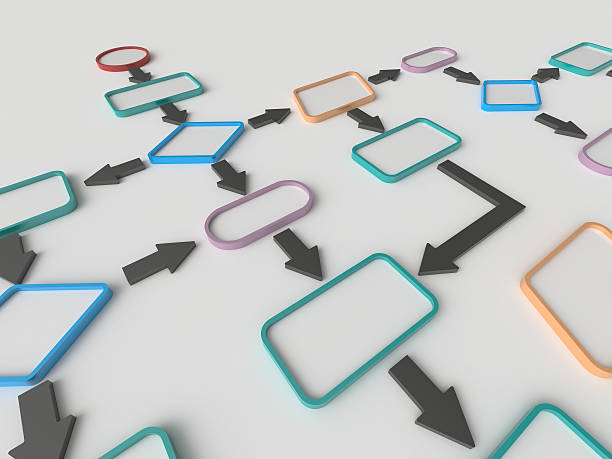
Construction, Meet Workflow Automation | The Next Generation of Construction Software
Project management software has been serving the construction industry for many years now but, despite its prevalence in the industry, this form of software is still not the most efficient way to manage construction projects and still requires too much manual entry. What the industry has always needed is software that goes beyond manual entry and actually does the work for you. Introducing workflow automation - the next generation of construction software. As the construction technology wave continues to hit the industry, businesses are truly waking up to the extraordinary organizational change technology can introduce. For a list of some game-changing technology trends set to change the industry, check out my last article here. Workflow automation is set to disrupt the construction industry, completely changing the way businesses operate and manage projects. But what exactly is workflow automation? And how can it benefit construction specifically? Without further ado, let's dive in! What is Workflow Automation? To understand what workflow automation is all about, let's start by framing the problem: manual data entry. Manual entry is one of, if not THE, most inefficient and time-consuming activities in the corporate world. The process of manual entry can happen across different mediums, which include paper, spreadsheets, and project management software. Above and beyond the corporate environment, manual data entry is one of the most disruptive processes for field service industry verticals, such as construction. Let's be honest, the last thing you want your field team to do is waste their time on-site by plugging data into an app. To put the problem of manual entry into perspective, recent studies have shown that nearly half of construction managers are still using manual data entry to capture critical data. 65% of construction managers said manual processes cause change and work orders to get missed, while 88% of executives who use four or more data systems spend at least 1,300 hours per year trying to assemble data into usable reports. These numbers are simply staggering and further emphasize the need for the industry to move away from manual entry. Now to the solution: workflow automation. By definition, workflow automation refers to the design, execution, and automation of processes based on workflow rules where human tasks, data or files are routed between people or systems based on pre-defined business rules. After you establish the rules and logic, automated workflows can send emails, set up reminders, schedule tasks, distribute & collect documents, and more — all without anyone in your team touching a single button. By leveraging self-operating processes that run manual tasks, workflow automation can help your business save time and money, diminish errors, and boost productivity. Some of the many other benefits of workflow automation include significant improvements in: Efficiency Productivity Accuracy Audibility Accountability Job Satisfaction Almost every department in your business can benefit from workflow automation. Whether it’s project management, field operations, services, marketing, sales, human resources, or finance, the technology helps you work smarter, not harder. What is Construction Workflow Automation? Alright, so now that we know what workflow automation is, the next question to ask is how can workflow automation help construction? This is where the newest category of workflow automation software comes in. Pioneered by Ontraccr, construction workflow automation (CWA) is the specific application of workflow automation technology towards the unique workflow needs in construction. Due to the highly complex, interdependent, and process-heavy nature of construction projects, a new kind of workflow automation software had to be designed around the specialized use-cases within construction management. While generic workflow automation tools have existed for quite some time now, they have not been designed specifically for construction. There's only so far these generic workflow automation tools can go within the construction industry. In contrast, CWA technology is highly-specialized, where automations can be designed to address the many inter-company workflow issues that have plagued construction for decades. Examples include managing change orders, work orders, purchase orders, invoicing, RFIs, and safety forms, among many others. These types of workflows involve collaborating with and requiring input from many external organizations and are both challenging and time-consuming to maintain. From tracking change requests to constantly following up with external stakeholders for critical information, such workflows do nothing but eat up time and money for all kinds of construction contractors. With OnTraccr's construction workflow automation platform, you can automate all the mind-numbing manual tasks across document management, communications, time tracking, safety forms, quoting, and more. CWA is also designed to integrate existing systems together and even add automation layers on top of existing systems using APIs, enabling organizations to maximize the efficiency of existing IT investments. We fully expect many more construction workflow automation providers to follow OnTraccr's lead as the proliferation of this innovative technology continues. Time to move the industry towards the automated future it always needed. How is Construction Workflow Automation Software Different From Construction Project Management Software? At this point, you may still be a bit confused as to exactly what construction workflow automation is, but that's totally normal. The confusion stems from the influence of existing project management software. You might be thinking, 'well I already have a project management system in place, I think I'll pass on this workflow automation thing'. To be clear: Construction workflow automation is very different from standard construction management software. Existing, standard construction management software applications have performed wonders for the industry, moving it away from tracking information on paper and in spreadsheets, to tracking data in a central digital repository. The two main technology drivers behind this type of software are cloud and mobile technologies. They've allowed our field teams to use their phones to keep managers in the office updated in real-time and have made it really easy for anyone on the team to have access to the right information at the right time. For executives, data stored in a central location has made it much easier to generate business reports, empowering them to make data-driven decisions in a timely fashion. Great, so construction management software has given us much better software, mobile apps, cloud storage, analytics, and integrations. But, there's still a major problem... you guessed it, manual data entry. Even though these applications allow us to stay organized in a much more efficient and completely digitized way, they still require us to maintain data manually. Does this mean these applications provide no automation whatsoever? Not exactly. Most of these construction management applications provide 'lite' layers of automation by automating a couple of workflow steps here and there. But most of these automations are built under-the-hood and companies can only set these up in the software by stepping through a series of drop-down menus. Thus, their automations are very limited. The result of this approach is that companies are forced to conform to the way the software works, not the other way around. This is completely backwards. Truly useful and well-designed software should never force a company to change its business practices, it should offer companies the flexibility to decide whether they want to evolve any current business processes or keep them the exact same. Real workflow automation allows you to customize every single step and puts the end user in control of exactly what the automation should do for them. This is exactly what construction workflow automation does for construction contractors. With CWA, companies start by mapping out exactly how they want all of their business workflows to work. This can happen across a series of process meetings where teams can draw out workflows as flow diagrams on a whiteboard. Once workflows are defined across the organization, the next step is to re-create these workflows in CWA software. CWA even allows you to re-create workflows using a flow diagram interface so you always know exactly what workflow you are designing. Forget drop-down lists, with CWA, you can visually depict exactly how you want your automations to work. Below is a quick example of what a safety form workflow would look like in CWA software: As you can see, with a CWA tool, you can define the exact rules and logic behind each and every step in a workflow. Talk about powerful! Final Thoughts There's a lot we should be thanking standard construction management software solutions for. Without them, the industry would not be nearly as digitized as it is today. But even though these solutions have introduced gains in efficiency and sophistication, they are still far from the most efficient approaches to managing construction projects. The highest levels of efficiency come from automation, not manual entry. By adopting fully-automated workflows, companies can reach new levels of productivity and efficiency, saving them money, boosting productivity, and making employees happier than ever. Who wouldn't want to work for a company that takes the work you hate doing the most off your plate? Sign me up! If you enjoyed this article, join our mailing list now to receive all the latest articles and stay up-to-date on what OnTraccr is developing to automate the construction industry!

How to Avoid Construction Delays
Having the ability to mitigate the impact of delays is a valuable skill set for any PM or owner, but developing the systems and skills to get ahead of the problems and prevent delays from occurring in the first place, is priceless. In my last post, we talked about how to mitigate the impact of delays that have already occurred in construction. In case you missed it, check it out here! A quick refresher on some examples of the types of delays in construction is included below for reference: Common Causes for Delays: Bad weather Soil contamination Equipment malfunction Labour shortages Construction mistakes Missing or incorrect data Funding delays Budget Inaccuracies Poor Scheduling Discovery of Hazardous Material Poor Communication of Critical Information As mentioned before, construction schedule delays are one of the most costly and dreadful problems faced by stakeholders. Although some delays are inevitable, they are typically caused by incidents that were preventable if the proper systems and methods had been followed from the beginning. Below, you’ll find some of the steps you can take to avoid delays altogether, and how you can use tools such as OnTraccr to help automate some of the tedious workflows that are required to maintain a healthy and reliable communication pipeline for the project. 1. Be realistic with your goals and milestones Typically in construction we are always looking to serve our clients. Whether you’re a General Contractor, Sub-Contractor, or Supplier, you all have clients that you want to please and retain. Therefore it is extremely important to set realistic goals with your clients, ensuring they are based on the plan/bid that you have submitted. This way you can ensure they are never caught off guard and dissatisfied as a result of your broken promises. If you ever find yourself doubting your estimate for deliverability, referring to similar previous projects as a guide can be an extremely useful way to back check your current estimates. Ultimately, this allows you to come up with more accurate and realistic targets for both quotes and timelines. 2. Participate in pre-construction meetings with all stakeholders When it comes to planning a project’s schedule, it is essential to involve all the stakeholders to ensure everyone has eyes on the schedule. They then can quickly raise any concerns they may have with the sequencing and help make any adjustments as required. These pre-construction discussions will help create the foundation of your own detailed construction plan. Some of the qualities of a great plan include even the smallest details, such as the time required to obtain and procure all materials, the stakeholder meeting schedule, major equipment delivery dates, milestone dates for any blockers, as well as every other dependency you can think of. The use of a construction project management software can make creating these plans and schedules a lot easier, and still provide the user with a de-cluttered plan that is easy to follow. 3. Review the scope of work and define team roles In construction, understanding the scope of work is essential in turning over a profitable project and avoiding any delays due to scope gaps. The scope may change over the course of a project through change orders and other formal change processes, therefore it is important to keep a living document of the scope of work that is accessible to all team members. This way you can ensure everyone is aware of what is included in your contract, and what should be charged as an extra. Upon reviewing the scope with all team members, the next step would be to assign roles to all team members, and go over in detail what each member will be responsible for. Once again, roles can change during the duration of a project, so a RACI matrix is a very helpful tool to share amongst new team members so that they can quickly reference who is responsible for what. 4. Be transparent and keep a digital ‘paper trail' of all activities Transparency in construction is very underrated. Ideally, everyone should be transparent in declaring their progress and all stakeholders can then have real-time insights into where the progress is on a project at any given time. Fortunately with today’s technology, this is all completely possible. By using construction specific software such as Ontraccr, everyone can easily report progress on tasks and cost codes, allowing PM’s to use this data to auto-generate progress draws or invoices. All of this data can be viewed in real-time, and workflows can be automated so that there is minimal overhead required to maintain the information pipelines. This is the easiest way you can review all project activities and then use that information to foresee whether a delay will occur. All of this work or proof of progress should always be saved and logged in the event conflicts arise at the end of the project, such as a warranty claim. This way you have all the backup necessary to mitigate or squash any wrongful claims. This may seem like a lot of work, but it doesn’t have to be...This can all happen automatically with the use of a good construction management automation software. Read more about the benefits of deploying a modern field management solution here. 5. Place high value on experience It pays to hire experience, and having experience pays. In order to detect and prevent delays from occurring before they happen, it typically takes an experienced and well-trained eye to identify those threats. Therefore it is essential to have experienced eyes on the project as much as possible. Developing a system and chain of communication where experienced people are always overlooking or reviewing critical path items, will help to ensure that nothing is missed that can lead to a delay. If it’s not possible to have experience at every position, the key areas to focus on would be project planning and monitoring roles. 6. Automate your communications as much as possible Construction projects typically have a lot of moving parts.This results in a surplus of documents and critical information that needs to be exchanged, most of which is time-sensitive. This is a greatly daunting task for most PM’s and they often require the assistance from a Project Coordinator for larger projects, due to the increased overhead required to manage all this information. In Canada, the average salary of a Project Coordinator is about $70k per year but still most large construction contractors find it to be worth their money to help maintain this communication pipeline, and they are right! Having the ability to communicate anything in an efficient manner with project team members, both internal and external, will greatly mitigate the delays that often occur in construction. Internal communications of the latest documents, plans, change orders, scope changes, RFI’s, should not only be tracked in great detail, but should be easily accessible to all stakeholders. Getting this wrong can lead to costly consequences. An example would be the event that workers happen to be working off an old set of plans because someone failed to update the plans in their folder. This is why there should be great importance placed on building and maintaining a clear and accessible communication pipeline for a project. With innovative solutions out there like Ontraccr, you can make this communication process more efficient by automating a lot of the workflows that are required to maintain all of your critical data. It pays to have a one-stop-shop for all your construction project documents and communications. There’s no more need to be switching to different applications just so you can send a message or send a project document. If you enjoyed this article, join our mailing list now to receive our monthly newsletter and stay up-to-date on what Ontraccr is developing to automate the construction industry!

How to Mitigate the Impact of Delays in Construction
If you ask a room full of contractors what they believe are some of the most frustrating and costly events that can occur in construction projects, you’d find that more often than not, the word “delays” will spew out of their mouths.
Tips on Managing Rising Material Costs in Construction
The construction industry typically faces year-over-year increases in material costs, ultimately leading to decreased profits. Understanding how and why these costs are increasing is an essential starting point in order to effectively manage any budget. Why Material Costs Are Increasing Material prices can fluctuate seasonally due to a variety of factors ranging from natural disasters to heightened construction activity. One of the main reasons for the infamous annual price increase includes an increase in energy and crude oil costs. Another major reason is the trade situation involving tariffs on materials including steel and aluminum. This is creating major uncertainty in the marketplace with price increases happening monthly, with no way to predict what tomorrow’s price will be. Despite all this, construction companies must procure materials to complete projects. There is no way around this fact, so companies must find ways to mitigate the impact and protect their profits. For the most part, increasing material costs are out of your control. Typically, the only solution that contractors have at their disposal is to find better ways to manage materials and waste. By tightening the belt on construction waste and inefficiencies, construction managers can better balance their budget for materials. Below you will find a few tips on how to handle these price increases and mitigate their impact on your projects. Allow for Price Increases in the Estimate There is a risk that occurs as a result of the difference in timing from a contractual commitment to the actual cash flows and purchases of material during a project. It is not uncommon for materials to be procured years after the start of the project. Therefore, contractors should consider analyzing their material costs year over year to see what their average price increase is. This number, along with a buffer, is then added to the material costs in all future estimates to ensure that price increases are accounted for. This is especially important in projects with durations longer than one year, as contractors can expect to see overall material price increases of 3%-12% year-over-year. For example, a job with material costs of $500,000 and a project duration of 3 years, can expect to experience material price increases ranging from $45,000 to $150,000! You can see how this can quickly add up and eat into your profits if you don’t account for this. Embrace Prefabrication Prefabrication is a great tool which allows you to operate more efficiently and reduce waste. The use of traditionally sourced construction materials results in a lot of waste, especially when the material is ordered without performing proper site measurements. When using a prefabricated component for a project, there is little to no waste, as the material is designed offsite by either a separate company, or by an in-house prefab team. An added benefit of offsite fabrication is that it also reduces the cost of labour for your company, further mitigating the impact of the rising material costs in construction. Typically, it costs far less to not only transport partial assemblies, but also to store and organize them for installation once they are on your job site. Even as your company increases production and the labour force on projects, the cost associated with labour decreases thanks to prefabricated materials. More importantly, if you are experiencing a labour shortage, the use of prefab items reduces the need for more labour, as the time taken to install that particular component is greatly reduced with prefab. Optimize Resource Management How are you currently ordering, tracking and managing your materials and inventory right now? In order to maximize profits and minimize material costs, it is essential to keep close tabs on your material burn rate so that you can start to pre-plan and purchase materials ahead of time, ultimately beating those price increases before they take effect. Therefore it is critical to constantly assess the market conditions and stay in touch with your suppliers to ensure there are no surprise increases coming your way before it’s too late. One of the best ways to achieve the required level of organization and structure to deploy and manage your resources is to use a Labour and Material management software such as Ontraccr. With Ontraccr, you can easily upload and manage your material database, allowing you to not only track inventory, but also keep a complete history of past prices so that you can use that data to create even more accurate and profitable estimates. Review Your Material Sourcing strategy If you find yourself purchasing resources from different countries, ultimately in different currencies, you may be at greater risk of external issues arising which lead to price increases or supply shortages. Therefore it is wise to undertake a review of your material sourcing strategy. Identify where materials originate from, what their lead times are, and see if there is an opportunity to switch to suppliers that can provide materials in a favourable currency denomination - buy local. Another quick and easy solution is to work with your clients to review the specifications and try sourcing alternative resources that still fit the scope of work. Get Creative With Your Suppliers Increases in materials costs may call for a brainstorm on procurement models. Greater collaboration with suppliers may unlock more commercially advantageous arrangements, therefore it is essential to maintain good rapport with them. Some examples of possible arrangements include doing bulk purchases for greater discounts, negotiating warehouse storage of material to avoid price increases, delaying delivery of material to avoid storage fees, and many more! With material increases always on the horizon, is it essential to revisit terms associated with any bulk purchase arrangements that are in place. If you typically buy the same material or resource often, it may be advantageous to negotiate large volume discounts in order to reduce costs. Proactively Discover New Ways to Mitigate Costs Monitoring the rising cost of construction materials is an essential activity in this industry. As construction demand continues to rise all across North America, the supply and demand of materials is following suit. Despite this, the rising material costs in construction do not have to force you to sacrifice your quality of work. By implementing technologies such as Ontraccr and modifying existing workflows such as introducing pre-fab, optimizing resource management, and engaging in unique arrangements with suppliers, you can increase the efficiency of your construction crew and mitigate the impact of any price increases. The main point is that being proactive in discovering ways to mitigate your construction material costs will have a tidal wave effect on other aspects of your business budget. You’ll be able to minimize your expenses while improving organizational efficiency, which is a win-win for everyone. If you enjoyed this article, join our mailing list down below to receive our monthly newsletter and stay up-to-date on what Ontraccr is developing to help digitize the construction industry.

Smart Construction Sites | What the Present and the Future Holds for Technology on the Job Site
As we are past the halfway point in 2021, we should all take some time to remember what we thought the future would be like 10 years ago. When thinking about this, did you imagine the construction industry changing? I know many of us thought that technology would take over the construction industry but unfortunately, this has been one of the areas where construction has lagged behind other industries. However, with more and more companies using technology to help with project management, collaboration, data analytics, and more, the future is looking very bright for all construction businesses. With that being said, I wanted to take a look into the future of construction and let you know what I think a smart construction site will look like. Everything from wearables and software through to drones and pre-fabrication. I truly believe these technologies will be part of everyday construction life soon enough and I am excited for what the future holds in construction. Wearable Innovations on the Job Site On a smart construction site, wearables are certainly something we will see. While wearables are currently used on some construction sites, I can see it becoming much more mainstream among all companies. When I talk about wearables, I don't just mean your common PPE. I am referring to innovative technology that will help keep your workers safe on the job site. We are now seeing work boots and wristbands that can connect to Wi-Fi which allows you to monitor where your workers are. Furthermore, this technology can help notify others if someone has fallen or has passed out due to heat exhaustion. All of these capabilities will keep your workers at ease on the job site knowing that they will be looked after. With wearable innovations, there can be many avenues for this technology. They can measure heart rate, body temperature, the amount of steps taken, sudden movements, and anything else that your Fitbit or Apple watch might do. While this is just a short list of features, I am curious to see what new innovations will come out in the near future. To learn more about wearables and other construction technology trends, click here to read our article highlighting 3 game-changing trends. Construction Management Software Construction management software is part of the present and the future of smart construction sites. Having an easy-to-use, user-friendly construction management software will ensure that you stay above your competition. There are so many ways that construction management platforms keep your business efficient and profitable. Time tracking can be done through software so that you don't need to worry about dealing with the hassle of paper time cards. Project management is simplified with job costing and easy-to-read reports which will give you insight on your project's financials and hours. Communication can be centralized on one platform so that no messages get lost. Finally, document management and sharing can be digitized so that you do not need to chase around workers for important information. With any smart construction site, you need construction management software that helps you make informed decisions. Picking the right construction software that has all of your needs in one place is crucial. Want to learn more about construction management software and how it can help you? Click here to discover how Ontraccr can take your business to the next level. Construction Drones Drones are becoming much more common in society today. You'll often see someone flying one around for personal use, or for the purposes of shooting educational or fun videos. On a normal construction site, they can be used for aerial photography to capture snapshots throughout a project's lifecycle. However, this is not their only use, especially for a smart construction site. As we see the uses of drones on worksites rise, the drones used today and in the future can map out large areas of the job site. They could even map out thermal signatures and provide heat maps. All of this will give you real-time visibility into what is happening on your job site. Decision-making can be instant so that you take action before it's too late. Drones can also monitor job site activity. They can be used to look out for construction workers who may have fallen on the job which allows workers to feel safer on site. Drones can also monitor for theft on the site so that all equipment stays within the company. Drones are an incredible tool and, when used correctly, they can help protect your workers and maximize profits. Modular and Prefab Construction Developments in modular and prefab construction have risen and, as we battle through the end of the COVID-19 pandemic, this method of construction should only continue to advance. With modular and prefab construction, smart construction sites might have less actual construction on them. The construction industry is finding out that having buildings made in warehouses and workshops are much more efficient and thus more profitable. Modular and prefab construction is great because as a business owner, you can control the working environment and provide a safe space for your workers. The climate is also controlled so that the weather will not have an impact on the work. The combination of the lack of skilled labour and more innovative technology being developed means modular and prefab construction is set to rise greatly making it perfect for the future of smart construction sites. Utilizing Mobile Devices The final part of my ideal smart construction site would include utilizing everyone's mobile devices. Since everyone has one these days, why not put them to work too? Phones can be used for so much in construction and when paired up with an innovative construction management software, the sky's the limit. One of the ways you can use phones is through time tracking. Workers can have the ability to clock in and out using their mobile devices. This will help track time accurately and without the hassle of collecting time cards which is a huge time-waster. Phones can help streamline communication. If your company is on a centralized communication system, you will be able to easily access messages and share information in real-time. Document and file sharing is also made very easy with phones. Instead of walking around to show blueprints, ask for forms to be filled, or sharing any other type of document, workers can be sent these files on their phones using a construction management software like Ontraccr so that files are at your fingertips at all times. Final Thoughts While smart construction sites are something of the future, this future is a lot closer than you might think. With more and more companies investing in technology, there will only be more technology being developed. As a construction business owner, you need to make sure that your company adapts to construction's new digital age or risk falling behind your competitors. The technological innovations in construction will only get better from here. If you enjoyed this article, join our mailing list down below to receive our monthly newsletter and stay up-to-date on what Ontraccr is developing to help digitize the construction industry.

3 Key Areas an Ideal Construction Digital Transformation Strategy Should Address Clearly
In a report done by KPMG in partnership with the Canadian Construction Association (CCA), they discussed how innovation and technology in construction needs to catch up with other industries. The benefits companies have seen while using new technology has been monumental and construction businesses are becoming more interested in investing in technology. The report also touched on the ideal digital transformation strategy and what is included. They mentioned that a digital transformation strategy in construction should address data-driven project delivery, lifecycle supply chain integration, and a future-enabled workforce. As you read through those 3 areas, you might be asking yourself what does all that mean? In this article, I will breakdown each of the 3 areas and describe how you can implement these areas of technology into your business. To read more about the report done by KPMG and the CCA, click here. 1. Data-driven project delivery The first area we will discuss is data-driven project delivery. This is one of the most important parts that should be addressed when planning your digital transformation strategy. Being data-driven means you are taking data that is presented to you and using it to make decisions within projects. All your decisions should be made using data. This includes budget data, project progress data, supply data, and any sort of data that can be used to help your business make informed decisions. With this being said, you need to make sure your whole team is making data-driven decisions so that everything is consistent from management to the field team. Having computerized data helps keep everything organized for your company. Using outdated methods to make decisions will no longer be effective in construction and will keep you behind your competition. If you can keep your data organized and make effective data-driven decisions, you will be seen as an industry leader and you will find that winning jobs becomes much easier. However, with this digital strategy, you need to collect data at an efficient pace. Collecting data by hand or through messy spreadsheets will not get the job done if you are trying to maximize profits with data-driven project delivery. Fortunately, with an integrated software solution like Ontraccr, acquiring and viewing large amounts of data becomes easy. By utilizing phones on the job site and having a centralized web app tracking all project data, you will be able to make the most informed, data-driven decisions you can! Ontraccr also makes data-driven project delivery easier by providing easy to read reports on budgets, productivity, labour costs and much more with our innovative project management features. Furthermore, the project timeline feature in Ontraccr allows you to can gain real-time visibility into your current projects, allowing you to easily identify labour gaps and make smarter business decisions. If you are ready to start making data-driven decisions, contact us to get started today! Ontraccr also offers custom workflow development so if you have any specific needs around automating existing wasteful workflows, our team would love to learn more so we can propose a solution just for you. 2. Lifecycle supply chain integration Lifecycle supple chain integration refers to material management and how you can use a software solution to keep track of your materials at all times. It is very important for you as a construction business to have a full understanding of your suppliers. It is crucial that you know when supplies are coming in, where they are coming from, exact planned and actual quantities, how to get the supplies on site, etc. The whole cycle in the supply chain must be managed from the start to finish. Unfortunately, a lot of businesses are still using outdated methods to track their supply chain. Using spreadsheets to track many different supplies just does not cut it anymore. With large amounts of supplies coming in, keeping track of them manually can cause input error and a potential loss in data which lead to further problems. You need to find a solution that keeps all your supplies and suppliers organized in one place and where input errors will be limited. To implement this into your digital transformation strategy, you need to consider finding a software solution that can help you manage your whole supply chain. The new and innovative way is to use software so why not make that a part of your supply chain management. By using technology and a user-friendly software solution, you can limit problems in the supply chain so you can just worry about your team getting the job done. 3. A future-enabled workforce A future-enable workforce is so important to the success of your company now and also for all potential young workers you may recruit. By connecting everyone on the job site together, you are participating in a future-enabled workforce. But, this does not mean connecting workers and managers physically. This refers to connecting a team through communication on a digital platform. This is a must when you are considering your digital transformation strategy. Being able to connect your team together on a centralized communication system can really improve the productivity of your field team. As a manager or supervisor, not only will you be able to communicate with your team from wherever you are, you can also gain real-time visibility into what your team is doing. Team members will also find it so easy to communicate with their supervisors or other workers when progress is being made. When you have one platform for communication, you will not struggle with trying to find what has been said in the past, as all communication is centralized in one place. No longer will you have to remember what you said in a phone call or check multiple chats to see where something was said. When communication is centralized, you can have all the information you need in one place and you won't lose anything. Want to learn how Ontraccr can centralize your team's communication? Click here Phones are also a very great tool in construction. When you allow workers to use phones on the job site, they can provide managers and supervisors with up-to-date information on the project. This is very important in attracting and retaining young workers as they want to be using the newest technologies on their job sites. If you can provide a centralized communication system, with the addition of allowing phones to help workers with communication and projects, your business will become very attractive to all young workers. To get advice from a Gen Z worker on how you can attract and retain young talent, read our article here. Why a digital transformation strategy is so important In the end, in order to rise above your competition, you need to at least be considering having a digital transformation strategy in place. By addressing these 3 key topics, you will be ahead of the game and on your way to becoming an industry leader in construction. Soon enough, all construction companies will be implementing technology into their workflows and your business needs to adapt before its too late. If you enjoyed this article, join our mailing list down below to receive our monthly newsletter and stay up-to-date on what Ontraccr is developing to help digitize the construction industry.

4 Best Social Media Platforms that Will Boost Your Construction Company Image and Brand Awareness
In the current digital age we live in, social media is a big part of our lives. Whether we are using it to build our personal brands, network, or just simply scrolling through feeds, social media is the gateway to many opportunities. There are a couple of reasons why having social media accounts can be important. The first reason is that everyone is using social media as mentioned above. If you want to make sure you can cast a wide net of potential customers, you need to be promoting your company on social media. Secondly, having social media accounts can attract young construction talent. The more quality content you have on your social media pages, the more likely a young person will come across your page and see what great work your company is doing. With this being said, we will take a look at the 4 best social media platforms for construction companies. I will describe the best ways to use these platforms and why it is important to promote on here as well. If you haven't already read our article describing 3 digital marketing strategies for your construction business, check it out with the link here. Digital marketing strategy #2 discusses social media and the types of content you can be creating in general. 1. LinkedIn LinkedIn is a key professional social media platform for all construction businesses. Not only does it improve your credibility as a business, you will also be connected to a large network of individuals who could be interested in your services. LinkedIn can also improve your B2B relationships as large sites may be looking for your specific services. Having your employees on LinkedIn can do great things for your organization. If someone were to come across your business, they would be able to see those who are involved with the company and learn as much as they can about the business so they can feel confident in paying for your services. LinkedIn can really help with your professional reputation and it is important that you are creating content to support this. By sharing information about the construction industry, whether it is news and/or tips, you can establish your business as an industry leader. These can all be done in various posts that might include your company blog or simply sharing posts that are relevant to your followers. Another way to interact with people on LinkedIn is to join groups that are relevant to your business. For example, if you are an electrical company, join various groups that discuss electrical practices or tools and give your insight on these topics. By engaging in conversation, your brand reputation will grow and others will be inclined to visit your page or website. Like with all the social media platforms described in this article, make sure you have your website linked in the bio to make it easy for those who want to learn more about your company. 2. Twitter Twitter has various uses for construction business. Most people would classify Twitter as a microblogging platform. This essentially means that people go to Twitter to have conversations with people while also sharing short stories or ideas. For construction, Twitter is where you go to discuss industry related topics and help form strong relationships with potential clients. You are able to directly speak with your customers to make sure they feel valuable. Twitter can also be a place of support for your customers as you can answer any questions about your company. One of the key things to remember when using Twitter is that you must post or engage consistently. Pages that post for a period of time and then stop completely will lose the people who engage with the company often and it does not reflect well for your company. By being consistent, customers will understand that your company is active and ready to provide services. Not only can you engage with all your customers, you can also post successful projects or any content you deem relevant on there too. So, if you have promotions, blogs to share, or projects to showcase, these can help drive users to your website and potentially form leads. Compared to LinkedIn, there are a lot more people who use Twitter so by promoting your business on there, you are looking at a lot more potential clients. 3. Instagram In general, Instagram is a super popular social media platform. For older generations, Instagram is not as commonly used as it is for Millennials. With that being said, just because you aren't a Millennial, that does not mean your business cannot promote on Instagram! As a construction business, Instagram is the perfect place to show off any photos or videos that your company has compiled. By doing this, you are showing potential customers exactly what your company can do for them. Having visually appealing posts on Instagram instantly takes your business to the next level. Visuals can go a long way as a lot of customers will feel confident in your services if you have proof of a job well done. The impact that Instagram can have for your business can be huge. Instagram is a great place to gain followers and spark interest in the services your company provides. You can set up contests and promotions as well to gather more and more followers. If done correctly, Instagram can be the easiest place to gain followers compared to any of the other social media platforms out there. Especially since Instagram is popular among younger people, the ability to find customers and also hire new workers can all be supported by having a great Instagram page. 4. Facebook If you are looking to expand your brand awareness and promote on a platform with billions of users, Facebook would be your best bet. Facebook has made it easier for businesses to have pages that are catered to their needs by allowing you to create a business page. Once you create a business page, you are notifying potential customers that your services are up for sale. While Facebook might not be as popular as it once was, it can be super beneficial to promote on there. Once again, having a consistent posting schedule will let the customer know that your company is active and ready to provide services. The best things to post on Facebook are a combination of all the things you post on other social media platforms. You can post blogs, pictures of projects, have promotions, all this is perfect with the large reach that Facebook has. Facebook also allows businesses to join groups and talk about relevant construction topics. Why use social media for your construction business today? Social media has become part of the way we communicate and if your business is not using it, you will fall behind. Technology in construction is taking over and all the top construction companies are using social media and other technology to their advantage so you should too! The best part is that creating pages and posting on social media accounts is free so you can experiment with as many platforms as you'd like and see what works for you. If you enjoyed this article, join our mailing list down below to receive our monthly newsletter and stay up-to-date on what Ontraccr is developing to help digitize the construction industry.

3 Game-Changing Construction Technology Trends to Keep an Eye On
For an industry that has had the unfortunate reputation of being 'slow to adopt', technology in construction has truly come a long way. We're finally starting to see companies really begin to innovate in terms of applying technology towards solving important, long-standing industry challenges. And while technology adoption has been trending upwards in the industry for the last few years, 2020 marked a huge turning point when the industry experienced an event unlike anything it has ever seen before: the COVID-19 pandemic. Faced with the extreme uncertainties surrounding the pandemic and how this will change not just the industry but the entire world, construction businesses turned to technology for help. Construction collaboration and remote monitoring tools moved to the forefront as the need for such tools had never been more obvious. For any construction teams who were seriously considering deploying such solutions before the pandemic, the transition to adopt during the pandemic was clear and quick. This shift marked a new chapter for the industry. The pandemic has really become the catalyst that the industry badly needed to help it move toward adopting useful technologies to improve both business and operational outcomes. The construction technology wave is finally here and collaboration tools are just the tip of the iceberg. Larger construction enterprises have been experimenting with the use of new technologies for a while (kind of easy if you have a big budget for it), but what about small to mid-size businesses? Which technology trends are more reasonable and practical for us to explore? Here are three game-changing technology trends that you can explore today, which will take this industry to new heights for many years to come. 1. Workflow Automation Workflows are at the core of nearly everything in construction, from tracking employee time and managing detailed project financials, to collaborating with external parties from pre-build through to closeout. Baked in to each construction business is its own set of workflows which dictate how the business operates and delivers value to its various project stakeholders. With all the moving parts in construction, it's critically important to make sure your workflows are as efficient as possible and this has a direct impact on profits. Unfortunately, this is exactly where the industry fell behind. For far too long, construction businesses of all sizes have relied on manual input as the primary method for managing most workflows. Whether you were manually inputting information into paper and spreadsheets, standard ERP software, or even typing up an email, the input method was the same. The problem: manual input is both time-consuming and always lags behind the actual work itself. Manual input means that construction managers receive important information after the fact and, in many cases, after it's too late. This makes it much harder to proactively manage project risks such as any cost overruns or potential build issues. If you're constantly waiting around for someone to enter information, you have no real-time visibility whatsoever. Whether you realize it or not, this is costing you a lot of money. It's time we change this! Workflow automation to the rescue. Instead of relying on manual input, workflows should be automated to save everyone loads of time. Why wait for someone to send or input information when you can have technology do this for you automatically? Let's look at just one simple example to illustrate this point: time tracking. Most of us track labour hours using some sort of timesheet. These timesheets can be a printed piece of paper you hand to your field team, a spreadsheet that supervisors manage, or some sort of timesheet software solution for employees to plug in their hours. Not only do these approaches require time, but they are also highly prone to input errors and time theft, which can cost companies up to 15% of their annual gross payroll costs. Yikes. So how do we automate time tracking? Simple... ditch the timesheets! Instead, deploy a real-time time tracking solution where workers quickly clock in and out, take breaks, and post progress updates in real-time. Each of these actions would become a standard part of their shift and, in doing so, no one needs to think twice about logging their hours, it's done automatically. Managers will always be able to see everyone's up-to-date hours without anyone ever needing to manually fill out a timesheet ever again. Better yet, you can even integrate such a system into your accounting software to completely automate the payroll process. Time tracking data would simply be sent to the accounting software at the end of the pay period, where it can then be processed. Everyone's time representation is accurate and honest, while eliminating time wasted, input errors, and time theft. Time tracking is one of many examples, as you can automate workflows for communications, document management, field forms, reporting, and much more. To start the process, the first step is simply to ask yourself, "which workflows are costing my organization lots of time and money?" Once you're aware of the waste, you can then take the next step to explore a powerful construction workflow automation tool such as Ontraccr. Ontraccr is a simplified field and project management solution that helps your organization automate tedious and time-consuming workflows, while giving you real-time visibility into the job site. You can use Ontraccr to track time automatically, communicate with your entire team, receive instant job site updates, manage all your project documents, automate field forms, and much more. Give us a shout if you're ready to get started today! Ontraccr also offers custom workflow development so if you have any specific needs around automating existing wasteful workflows, our team would love to learn more so we can propose a solution just for you. If you want to learn more about how an integrated field management solution can help your business, check out our article here. This is a must read for all supervisors and we explain in detail the benefits of having a fully featured field management software. 2. Machine Learning The next technology step for the industry, right after workflow automation, is to leverage Artificial Intelligence (AI). AI is a category in itself that covers many different technologies, and there are many ways in which AI can process data and instruct other systems. However, one incredibly useful technology within the AI field is Machine Learning (ML). Machine Learning is a method of data analysis based on the idea that systems can learn from data, identify patterns and make decisions with minimal human intervention. The idea here is that, over time, ML algorithms can learn from a constant influx of data to gain more and more intelligence in terms of pattern recognition. For example, let's say you want your ML algorithm to be able to proactively identify a potential financial risk such as projecting a cost overrun in one of your projects. The algorithm would first need to analyze past project datasets to identify any patterns and correlations in the data that led to cost overruns. Now, this may of course not be that straightforward as these patterns are not always consistent and there are many different issues that can lead to different cost overruns. But this is where the ML algorithm would simply observe all the variations in the data that led to that specific cost overrun outcome. Now that it has a good idea of some of the specific sequences that can lead to these financial impacts, it can continue to analyze any current project datasets to become smarter at identifying the various triggers that can lead to the outcome. Once the ML algorithm gains this level of intelligence, it can now apply its knowledge in a predictive manner to warn you the next time it observes anything in the data that could potentially lead to the financial risk. Of course, the above example is oversimplified, but I'm simply using it to illustrate the high-level concept of how ML could be applied. In order to make use of ML, you must have a sizeable dataset for it to analyze. Basically, ML is not useful if it doesn't have much data to play with. Lucky for us, construction projects create a ton of data on an ongoing basis. This makes construction an ideal target for ML-driven data sophistication. Imagine having another player on your team whose sole job is to constantly analyze your data and come to you when they see something fishy. That's the power of adding ML to your team. ML can help you mitigate risk, improve productivity, predict future project outcomes, aid in scheduling, and much more. The sky is truly the limit once ML is given a proper chance to help the construction industry. 3. Wearables It goes without saying that safety is paramount in construction and it always will be. The pandemic has also forced us to think about new ways to keep our teams safe out in the field. From wearing PPE to ensuring social distancing, these were policies we never thought we'd need to enforce. On the other hand, these policies have forced companies to assess what crews wear on the job site. So while we're thinking about what's being worn, aside from PPE, let's now take it a step further. How about equipping our field crews with sensors that can read biometric signals to notify safety managers if an employee is suffering from over-exhaustion? Or motion sensors that can notify managers when an employee has fallen or had a major collision with another object onsite? Cue wearable technology. Wearables are now being built into all kinds of construction apparel such as safety vests, gloves, hard hats, and work boots. Embedded biometric sensors can measure vital signs like heart rate, skin and body temperature, and more to monitor an employee's health throughout their work activity. Motion sensors can detect sudden movements, impacts, variations in walking patterns, and more to keep an eye on any more immediate safety concerns. Being able to constantly monitor worker safety will alleviate a lot of pressure operators face in the construction industry, drastically reducing both the fatality and injury rates. Not to mention reducing the financial burden companies could face due to liability issues. This will enable companies to focus more on the actual work itself while knowing that technology will always be monitoring the health and well-being of workers. Above and beyond safety, wearables can also be embedded with other technology such as cameras and GPS modules. Paired with Artificial Intelligence, these additional functions can unlock new productivity-based workflows such as automatically tracking project progress based on image and location recognition patterns over time. There's a lot for me to geek out over here, but for now I will leave it at this: wearables are a very real future for construction and, simply put, will change field operations forever. Final Thoughts There has never been a better time for technology adoption in construction. The pandemic has jump-started the process of digitizing construction businesses all over the globe, introducing organizations to new ways of working and incredible efficiency improvements across the board. After the recent adoption of construction collaboration and remote monitoring software applications, we could start seeing some huge advancements in the areas of workflow automation, machine learning, and wearable technologies. But in order for the industry to keep moving forward and become more tech-savvy, we need all of our owners, executives, managers, and field workers to remain open-minded and keep exploring new technology advancements. Technology changes our lives constantly. The worst thing we can do to ourselves is close ourselves off from tools that could save us huge amounts of time and money. Don't underestimate the power of technology and how it can change the way you operate. Sometimes technology just needs a bit of help to understand how it can be applied to someone's problem. With the right guidance and exploration, we can mould technology in all the right ways to move the entire industry forward together. If you enjoyed this article, join our mailing list down below to receive our monthly newsletter and stay up-to-date on what Ontraccr is developing to help digitize the construction industry.

4 Things You Must Include in Your Website | Creating an Ideal Construction User Experience
Websites are super important for your construction business. No matter how big or small your company might be, investing a small amount of money to create a website can go a long way. People are constantly searching for services on google and just being on the internet will help with leads. With a fully featured website, you can also recommend potential customers to visit your site as it showcases the best work that you've done. With all that being said, this article will go in-depth into 4 things that you need to have on your website. All these features are a must-have in order to get customers on your site and to retain them for a long time so that they can be confident in hiring you for your services. If you haven't already read our article describing 3 digital marketing strategies for your construction business, check it out with the link here. 1. Including powerful images to increase website appeal Having images on your website is very beneficial. In general, people perceive images better than they do large blocks of text. When there is an opportunity to add an image on your site, I would highly recommend doing so. Photos can be added to your homepage, a portfolio/services page, and anywhere else you might find appropriate. The most important photos you can take as a construction business are before and after photos. By demonstrating the difference your services provide, customers will feel good about asking your company to provide the same service. So, having these before and after photos on your website are key visuals for potential clients to see. Another piece of content you might choose to have are various videos. Videos can be taken during a project to demonstrate the services you provide. You could even do a time-lapse of the whole project which is a visually appealing method and can be very powerful for customers to see. All these can be great ways to showcase the work your business does. You can add these videos to a separate section for videos and even have it on your home screen as the first thing people will see when they click on your website. The great part about taking videos and photos is that all you need is your phone. Even if you don't have a phone capable of taking photos, a regular digital camera will do the trick. Any method to create images or videos will help you design a very appealing website for your customers. 2. Explaining and showcasing your services A services page is another must-have on your website. The purpose for a services page is to describe exactly what your company provides. Customers will be able to read and decide if your services are right for them. This page will include all of your services and then a detailed description of what that service is. So, if you do electrical work, you can describe the process of a specific electrical service that you can provide. Not only are you demonstrating what you can do for customers, you are promoting your business to other construction companies who are in need of a sub-contractor. This page can also be a portfolio where you can describe past projects and provide images and photos of these projects. To wrap up the services page, make sure you provide a high-level overview of the jobs you do and even add some proof from past projects. 3. Adding a dynamic construction blog Creating a blog for your website can have many uses. An informative blog can help with attracting customers in so many ways. First of all, there are different types of content you can produce. One of the ways you can write blogs is to recap a project that was just completed. You can describe what you did, what methods you used, and add any photos or videos from that job. This is just another great way to showcase the fantastic work that your company does. You can have anyone who was involved in the job write it up and it can be a great marketing piece for potential customers to read when they visit your website. Another way you can create content on your blog is to produce articles on relevant tips and tricks you may have, or discuss construction industry news. Anything related to construction can be quality content. This allows customers to view your business as a group of people who are knowledgeable in the field of construction and they can feel comfortable that your company can do a great job. Moreover, if you create searchable content, you can attract viewers to your site increasing brand awareness. 4. Using customer testimonials to add authenticity If you haven't gotten testimonials from your past customers, I would encourage you to reach out and have them answer some questions for you. Its a great way for future customers to see you have done a great job for others and that you can do a great job for them too. Testimonials really add to the legitimacy of your website. Not only are they a great marketing tool but by providing a real, authentic opinion, customers will know they are getting quality service. For your website, there are a few ways to showcase a testimonial. You can do it in the form of a case study. If you have an interview with a customer, you can write up a case study from it. From there, you can create a landing page on your website that has the detailed case study. You can market this page to potential customers so they can see what your business has done for others. You could also take the transcript from the whole interview and also create a landing page for that. Potential clients will be able to read the whole interview word by word and will have insight on what work your company can do. If you do record the interview, having the audio or video of it will also increase the authenticity of your testimonial. So, having an interview with a past customer can create some great assets. If you just have quotes or reviews that you would like to showcase, you can add these onto your homepage. These can be a sentence or two describing some of the work your company does. You could also use your blog to summarize reviews or case studies as well. As you can see, there are many effective ways to use customer testimonials on your website. Creating an user-friendly website is key to more leads If you haven't already created a website for your business, this article should be an indicator to do so. It will help a great deal in the long-run and you can be constantly gathering clients because of this. By adding these 4 features onto your website, you can create a very user-friendly experience so that customers will consider you strongly for the job that they need. If you enjoyed this article, join our mailing list down below to receive our monthly newsletter and stay up-to-date on what Ontraccr is developing to help digitize the construction industry.

4 Strategies to Attract and Retain Young Construction Talent | Advice From a Gen Z Worker
Young talent is very tough to come by in construction these days. The emphasis on college and university degrees has led young people away from trades and careers in construction. While these jobs may not be as desirable to some, having a career in construction can result in many great financial opportunities while also being a part of a fantastic construction community. But at the moment, these construction careers are not as heavily pursued as they used to be and construction businesses need strategies to combat this. Moreover, not only will you need to attract young workers to your team, you have to get them to stay and that can be the hardest part. In order to make construction more attractive to the Gen Z and Millennial generations, I believe that you need to provide technology on site, use innovative field and project management software, and have a great social media presence. Technology is the most important thing you could add and young workers will be more likely to join your team because of that. Furthermore, providing training along with having new technology on the job site will help retain young workers for a long time. This article will provide advice on how to attract and retain young talent. As a Gen Z profile myself, I know first-hand what would convince young people to join a company. I believe that tapping into my knowledge will give you insight to exactly what young workers want. 1. Having Phones and Other Technology on the Job Site Technology is the main theme in this article and it should be a constant reminder of how important technology can be for your business. The first strategy I would implement is providing company phones or having a brand new laptop/tablet available for the use of all workers. Even allowing workers to use their own phones on the site for all job activities can be very beneficial. If you consider the average young person, you would probably associate them with using their phones. At first, you might think it's a waste of time for young people to be using phones so much. But, with young people and their desire to use technology, they are using their phones for so much more than just scrolling through social media. They are creating online businesses, promoting their own brands through social media, and using technology in ways that can be very positive. The reason I bring this up is because young people can do great things with technology. They will find innovative ways to use their devices and they may even help develop new job strategies that make work more efficient. They also want to be using the most modern strategies in any work environment. If you want your business to stand out among others, you need to incorporate technology and this includes phone usage. So now that you understand that young people enjoy using phones and technology, you will see a big difference between a company that has no technology implemented in their workflows compared to a company who uses technology for all things on the job site. You will find it much easier to attract young workers when you have technology available because, ultimately, technology can make everyone's job easier. While I do understand there can be an opportunity for time wasting on social media and other apps, I feel the pros outweigh the cons. More often than not, young workers will be using their phone as a complement to their work rather than a distraction. Furthermore, if they are paired up with a senior member of the team, they probably are unlikely to use their phone for reasons other than work. Adding phones and other technology like computers can be super important to attracting and retaining talent. This should be a key selling point when hiring young talent as they know they will be using technology that they are comfortable with and these devices will allow them to complete their jobs efficiently. 2. Using a Modern Field or Project Management Software/App Using a modern field or project management software ties directly into having phones and other technology on the job site. When you are able to have this combination, young workers will see your company as leaders in the industry. As we have mentioned above, technology is what young workers are looking for. They don't want to use old and inefficient methods of pen and paper. They want to be able to use their phones so that things like time tracking and project management can be done quickly with the touch of a device. Having data transferred automatically is something that can make a young person's job much easier and they can focus on perfecting what they are building. If young workers are able to see files, track their hours worked, and do most of their stuff on their own devices, they will do their job more efficiently and try to learn more about their job instead of worrying about their hours. Because of all this, a field or project management platform is something to invest in. While just having technology is good for attracting talent, it should be emphasized that modern and user-friendly technology will help you attract more young talent and you will have a better chance at retaining them. The construction software that you use should be designed in ways that are similar to the apps young workers already use in their daily lives. If we think about all of the apps that young people use, they are incredibly user-friendly and innovative. Apps like Snapchat, Twitter, WhatsApp, Instagram, Facebook, and even Slack, are all commonly used by young people. You want to pick a construction software that incorporates some of the features that these apps offer so that young people will have an easier time using it. For example, Snapchat allows you to take photos while also drawing and making comments on these images. If a software has this feature, it would be very attractive to a young person to use on the job site to take photos of issues and send them to the right people. Another good example is Twitter where there is a live feed and you can tweet and make comments. This can be a great feature in construction software as young people will be comfortable with scrolling through feeds and looking at comments made by supervisors. Finally, young people are very good at texting and would much rather text someone than make phone calls. That is why you should invest in a software solution that includes messaging so that no one will have to struggle with remembering what was said over a call. So, if you invest in a software that is too complicated and expensive or an app that is not very attractive, potential young workers might not be so inclined to join your team or stay on your team after using outdated software. Make sure that you pick a software solution that will make young people comfortable and it will make their transition into the job so much easier. Modern, user-friendly software is key to drawing in young workers and getting them to stay for the long run. Want to see how Ontraccr's Field Management Platform can help attract and retain young talent? Click here to learn more. 3. Having a Social Media Presence Social media is a huge part of our digital world. In order to stay on top of what young people enjoy and what would attract young workers, having a social media account for your company is a very important strategy to implement. If you want to learn more about creating social media pages and accounts for your business, read my previous article here describing all you need to know about social media in construction. To stay on theme with technology and phones, young people do spend a good amount of time on social media. Whether it is networking, posting pictures, promoting a brand, or just simply scrolling for leisure, social media is very important to a young person. So, if you want to be an employer and a company that is relatable to young workers, you should a have social media account for yourself as well as accounts for your business. Creating accounts for your business is very important and here's why. Just like everyone else, young people want to make money and develop their career to be stable financially. If you have an active social media account that is posting successful projects and other positive things, you would be giving the impression that your company is making a lot of money. Young people will be able to see this positive growth and be very interested in what your company does. You would be essentially marketing to young workers that your business is the place to work if they want to make a solid living. So, when you are recruiting young talent or these young people are looking for work, chances are that they will try to search you up on social media and if you have no social media posts, it won't reflect too well. The best part about social media is that it's simple and you don't need to put a lot of time into making great content. You could even use a young worker who is already on your team and ask them to run your company's social media so that relatable content can always be posted. 4. Provide In-House or Paid Training The final strategy I would recommend as a Gen Z is to provide training. This would include paying for training or having in-house training you could provide. Young people in particular will look for leadership training which could be beneficial to your company. Training could also include anything that would help them advance through your company as they can take on larger roles. Owners can help develop a worker into a future supervisor or manager. As we mentioned in the introduction, young people are going to universities and colleges for degrees. Trade programs and other careers in construction are not pursued as much anymore. In order to make construction and your company attractive to young people, providing any kind of construction or professional development will encourage young talent to work for you and stay for the long run. While this is not a technology-based strategy, this can be super beneficial in attracting young talent to work for you and retain them as they work through the ranks in your business and see promotions. Once again, young people are guided by making money. However, they also want to develop their own skill sets so that they can advance their careers and take on important roles. Young people will be delighted to hear that you will pay for or provide training that will allow them to stay with the company for a long time and get rewarded for their hard work. If you can continue giving promotions for those who stick around in your business, you will be able to retain this talent for a long time. Moreover, you can use these workers as an example of how workers can advance through the ranks and get training which will attract even more young talent. Technology and Young People Go Hand in Hand Times have certainly changed in construction. With the younger generation moving into the workforce and the lack of young talent that is in construction, you need to make sure that you and your company move with the times so that your business can continue to be successful. The most important thing you should take away from this article is that having modern and user-friendly technology will give you a leg up over your competition. Technology is making a difference in this world and you need to keep up on the latest trends. If you enjoyed this article, join our mailing list down below to receive our monthly newsletter and stay up to date on what Ontraccr is developing to help digitize the construction industry.

3 Ways to Market Your Construction Business | Increasing Your Exposure with Digital Marketing
Creating marketing assets for your business is crucial in attracting customers and ultimately turning a profit. As a construction business owner, manager, or supervisor, you understand that your team does lots of great work. However, without effective ways to market your business, you might not be maximizing the amount of exposure to clients that your business could potentially bring. In this article, I will discuss 3 ways to market your construction business effectively at little to no cost. With these methods, you will soon be reaching a new audience of customers to create more revenue for you and your company. 1. Create a refreshing and attractive website The very first thing you should do, if you haven't already, is to create a website for your business. This is the most important asset as, without a fresh website, your customers have no place to check out your projects and get to know your company. While you can create a free website, I would recommend setting aside a bit of money towards a paid website. A paid website can make a huge difference in your customer's experience and you want to ensure that your customers will have an effortless experience on your site. If you are tech savvy, I would recommend creating your own site with website builders such as Wix or Wordpress. By customizing the site on your own, you can create it to be exactly how you envisioned it and showcase your best projects. Furthermore, if you would like to make changes to your website in the future, it is much easier to do this on your own. If you don't have the time to learn about website creation, that's ok as there are plenty of opportunities to hire someone to create your website for you at a small cost. The priority is getting your company's website created no matter what. What your construction website should include When working on jobs or big projects, make sure you and your team are taking photos before and after. You can choose to take videos of certain aspects of a project as well. With your website, you are showcasing your best projects or jobs. Using these photos and videos you have taken, you are demonstrating what a great job you can do for a customer. Videos are also a great medium as they are much more interesting for the viewer and it can lead to more time spent on your website. Testimonials should also be an important part of your site. By asking your past customers to have an interview to discuss the work you have done for them, you can add these great quotes to your site. Testimonials create more authenticity to your website and potential customers can feel confident in picking your company when they know you have done a great job for others. The final aspect I would recommend adding to your website is a blog. This blog can include any content that is relevant to your customers or potential investors. You can write blogs that outline past projects and describe them in detail. You can also talk about construction news or provide insider knowledge that you may have. A blog does not have to be hard work either, you can spend an hour quickly outlining a project that you have first hand knowledge in to further promote the great work your company has done. A blog is great as it creates a place for your customers to interact. Once again, it can build trust in your customers if they see that your business is knowledgeable in the field of construction and gets the job done properly. Pro tip: ensure that the website is mobile friendly. Web traffic from phones takes up a large amount of all web traffic so it is important that you can provide a clean and easy-to-navigate mobile website. 2. Add social media to your digital marketing strategy Being able to promote your brand through social media is something that takes time but with consistent posting and posting content relevant to your followers, you should see more customers reaching out. The best part of social media is that to make accounts and post is absolutely free so it can be a very organic way to attract clients. There are plenty of social media platforms out there and you need to find the ones that make the most sense for your demographic. For construction, the best platforms would be Instagram, LinkedIn, Facebook, and Twitter. Having accounts for all these platforms ensures that you will targeting all potential audiences. Experiment with each of these and see which ones produce the best results for your company. From a content perspective, you want to post about a variety of things. While social media can be time consuming at times, it's important to have content in mind that you would like to post. For example, you should be posting photos and videos of all your successful projects. Social media is a great way to quickly catch the eye of a potential customer after a job well done. Other pieces of content you could post is other construction news, posting about holidays, testimonial pieces, and anything else you would consider relevant to your audience. Not only can you use social media to post past projects and other content, you can use it to engage with customers or other people who are interested in construction. Always respond or react to comments made on your posts as it shows your company is active and willing to engage with customers. Furthermore, comment on pages for the tools you use. If you use a particular software for your company, engage with that software's social media pages. By doing this, others can see your comments and check out your business as well. You can become a brand that is noticeable and when people need a service done, they will think of your company first. If you don't have time to manage your social media accounts, consider hiring a student or designating someone on your team to do it. There are many students out there who are looking for opportunities to run social media pages to boost their resumes so you might be able to find someone willing to do it for free. Pro tip: With your clean and innovative website, make sure you link it in your social media bios and posts. You have this website as an asset and when posting engaging content, you can always direct people to your site. 3. Use google/social ads to increase brand awareness and leads The third method I will discuss to market your construction business digitally is online ads in the form of google and social media ads. If you are willing to spend some money to create ads that can help build awareness for your brand and drive more customers to your website, online ads are the perfect place to start. These online ads do require a link to direct customers and your website can be the perfect link for that. Google ads provide a variety of ad types including search ads. With search ads, you can target an audience that is within your region and looking for services that you provide. For example, if someone searches "electrical company in Seattle," your search ad will pop up, giving them the option to check out your website and be the solution that a customer is looking for. Social ads are another avenue worth exploring. Once you have created accounts for social media platforms, many platforms allow for sponsored content which gets promoted to an audience that you specify. It is different to google search ads as you can add photos and brief descriptions. So, if you were to promote on LinkedIn, Facebook, Instagram, or Twitter, you can add a before and after photo of a successful project. You may also caption it to show the audience you choose what a great job your company is doing. These social ads can create some strong leads for you and your company and it is no harder than just posting on your social media feed. Pro top: If you have videos that you would like to showcase, add them into social ads. The longer a person will view your video, the stronger the lead could be. Moreover, you can use the video on the landing page for your google search ad so that it can be the first thing a customer sees. Online marketing is what your construction company needs today With so many people using google to search for companies that can fix or build things for them, it goes to show how important a presence on the internet and social media is. Not only will you be able to get a leg up on your competition if you can effectively showcase your company, you will also be the first brand that comes to mind when someone needs a construction job done. As noted in the beginning of the article, creating a website is the first step you should be taking and from there, you can build a large supply of content that will attract more and more customers for your business. If you enjoyed this article, join our mailing list down below to receive our monthly newsletter and stay up to date on what Ontraccr is developing to help digitize the construction industry.
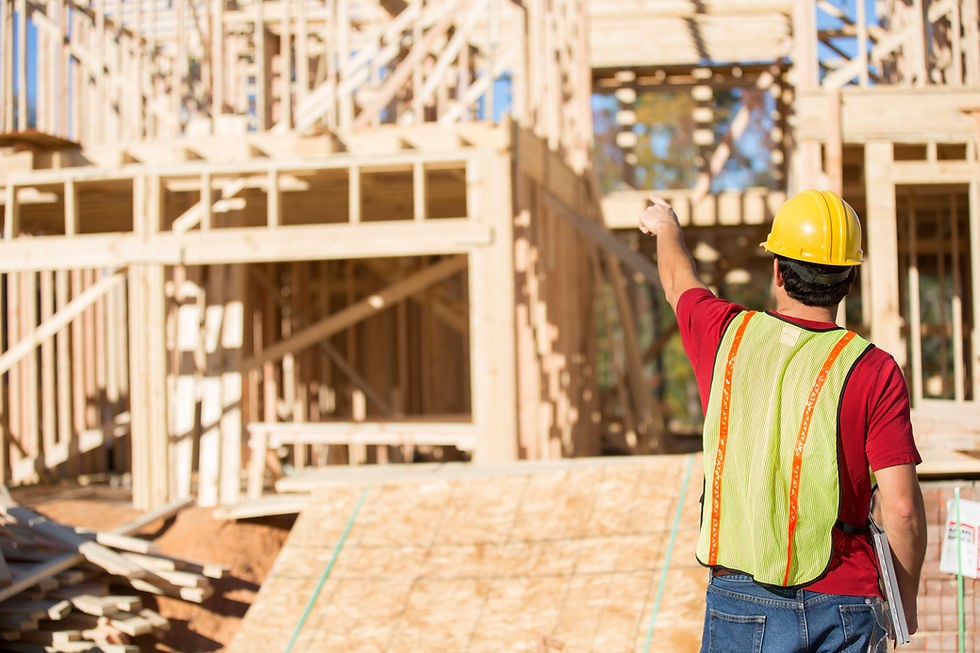
Why You Need an Integrated Field Management Solution | A Must Read for All Supervisors
Productivity in construction has been a hot topic since long before the adoption of technology. As a construction professional, or someone familiar with the field, you’ve probably heard a great deal about productivity, especially on finding ways to improve it. Unfortunately, up until recently, the ability for contractors and supervisors to measure, let alone improve their field team’s productivity, has remained relatively stagnant. Oftentimes contractors are in a constant struggle with having to deal with labour shortages and at the same time ensuring that their supervisors find ways to get the most productivity out of their field teams. Unfortunately, prioritizing the improvement of productivity gets diluted since they also have to consider safety, budget tracking, procurement, and other daily tasks that eat up valuable time. If you think that sounds like a lot of work, you’re right. Correctly managing a field team of any size requires a lot of overhead. Toolbox meetings, safety discussions, equipment inspections, employee scheduling, planning work-flows, managing time cards, RFI’s, document management, as-builts, material management, time & material tracking, progress reporting, and labour forecasting, all just represent a portion of the responsibilities that a supervisor must oversee to ensure the project runs smoothly. While it is clear that the construction industry has suffered in the past two decades when it comes to productivity, we are fortunate that the industry has now started to shift to a more positive outlook. Over the past few years, I’ve been able to witness firsthand improved productivity in construction. This change into a new era has predominantly been driven by innovative companies who have clear digital strategies in transforming outdated construction processes into streamlined digital products. Integrated field management software helps construction companies deal with operational challenges, even the new ones that arose from the pandemic; ultimately improving the way they operate in all aspects. What are the common operational challenges faced by supervisors? 1. Staying under project budgets & estimates From scheduling tasks for crew members, managing supplies, maintaining documentation, and tracking labour costs, supervisors have to deal with a vast range of operational challenges. As a result, they might not follow the recommended practices to help them stay organized and efficient. This ultimately results in construction projects going over budget. In some cases this can be as high as 80%....yikes! With the industry typically struggling to increase productivity, keeping projects under budget through the use of job costing and having access to real-time project information is essential for contractors to maintain profits. 2. Bad communication between the office and field teams One of the major challenges faced by supervisors and management professionals is the lack of an organized and unified communication platform. Between emails, text messages, and other internal chat platforms such as Skype, supervisors struggle to keep an organized history of past communication. As a result, far too often important information may take hours to recover, and in some cases is lost forever. This can lead to increased costs due to re-work, higher occurrence of human error, and even a lack of trust between the office and field teams. 3. Managing schedules and overlapping tasks As you may know, the construction industry is faced with the challenge of a shrinking workforce due to a lack of skilled labour. That, combined with the frequently changing manpower requirements, means that supervisors and other workers are often responsible for multiple jobs and tasks. This makes their jobs even harder to manage, resulting in even more disorganization and inefficiency. This is why having the correct systems and tools in place is crucial to mitigate any issues that could have been avoided. How can an integrated field management software help? 1. Unify all your project data into one platform Projects in construction rely heavily on a vast array of data and documentation to ensure everything and everyone are compliant, safe, and productive. Toolbox meetings, risk assessments, QA/QC checklists, time sheets, RFI’s, text messages, and emails are all usually collected and organized on different platforms. This makes it extremely difficult for supervisors to find and extract any information in an easy and prompt manner. Operating like this often leads to information silos, which are the leading cause of project re-work. Workers simply won’t have the ability to access all the correct information in a timely manner and this can lead to devastating impacts on both project schedule and productivity. With the use of an integrated project management software solution, it is easy to keep all this information in one place. This is done by combining the following: Digital forms and documents that are accessible across your company. With an app like OnTraccr, these forms can be automated so that supervisors don’t need to remind or chase down any employees to ensure they are compliant. They simply set it and forget it, allowing them to focus on more important tasks. A communications system that allows employees to send and receive messages, photos, progress updates, and RFI’s. This allows all project information and chats to be saved and automatically be organized by project. Unified document storage - oftentimes important documentation and project drawings need to be made available to the field crew immediately. With Ontraccr, supervisors have the ability to view a version history of all project documents, allowing them to easily view who made a change and what the previous version looked like. Not only that, users can be automatically notified when any updates are made without having to type any extra emails. 2. View real-time project data to make smarter decisions By using software-based solutions like Ontraccr, supervisors can ensure that all information is collected and analyzed in real-time. This allows supervisors to identify and resolve potential safety or operational issues quickly, such as potential labour over-run. Ontraccr can also help supervisors identify points of inefficiency before they eat away at the project budget, as well as automate a lot of the manual work required to maintain productivity. 3. Normalize collaboration across company divisions & teams In many instances, collaboration across different project teams, or divisions is few and far between. This is likely due to the environment created by existing communication processes that narrow the view of each employee. Ideally supervisors and project managers from all divisions or projects should be working together and helping each other with any new things that are learned. The saying goes, two minds are better than one, and this especially holds true in construction. There is so much knowledge that can be shared throughout your company to maximize productivity. Integrated field management softwares such as Ontraccr, help bridge this gap by allowing team members to gain an open view on what is happening within projects and divisions. Communication is encouraged through the easy to use chat system, where workers can easily direct messages to any employee. Further, reports and forms that are found useful on one project, can quickly be standardized throughout the company to help ensure everyone has access to the latest and greatest methods and systems. This allows employees to share and collaborate on a variety of things which enables increased productivity throughout your company. Final Thoughts As seen in other industries, the digitalization of existing workflows has the potential to transform construction businesses into lean mean productivity machines. This happens by improving operational efficiency, reducing human error and bad practices, as well as generating increased profits through reduced overhead costs and a conservation or resources. An integrated field management software like Ontraccr has unlocked an unprecedented level of operational cohesiveness for construction businesses — and every stakeholder can benefit from it. If you enjoyed this article, join our mailing list down below to see more content and stay up to date on what Ontraccr is developing to help digitize the construction industry.

Why Your Construction Company Should Start Job Costing | An Innovator's Guide to Maximizing Profits
No two jobs are the same in construction, which makes estimating tough. One of the most crucial ways you can improve your future estimates and to increase your profitability is to organize them through the use of cost codes. What is Job Costing and how does it help? Simply put, Job costing is a widely used construction accounting system that breaks down a project into smaller and more specific tasks. Typically in construction this is done through the use of cost codes, which represent common tasks that your workers would perform on the job site. With the use of the following methods, you will be able to calculate the actual costs of working on construction projects, and ultimately make more accurate estimates. This in turn means you’ll be able to assign a detailed budget to a project, and track progress on each of those specific cost codes, which further unlocks the ability to make smarter business decisions and avoid costly labour over-run. 1. Break Down Your Project Into Phases & Cost Codes The first step to job costing is arguably the most important as it organizes your project into smaller and more measurable chunks. This is done with the use of phases and cost codes, which are essentially the building blocks of job costing. Often times contractors may use a reference called the Master Format to help them come up with these cost codes, but this format is typically intended to help organize project documents such as scope of work. As a result it often will lack a lot of additional cost codes that your organization would see serious benefits from tracking, especially those related to indirect labour, such as supervision, quality control, and design work. Therefore we recommend that the Master Format be used as a good starting point, while keeping in mind that further refinement will be needed to ensure all aspects of your business are covered. Start with each main phase in your project. For example, a 6 storey apartment complex can be broken down by each level, which would represent a phase (i.e. Level 1, Level 2, Level 3, Level 4, Level 5, and Level 6). This is important because it allows you to break the project down into smaller chunks which you can then monitor more accurately for productivity. Then within each of these phases, you can further break the project down into the specific tasks or cost codes. These are usually unique for each type of construction company, but once you have a list of these cost codes it is best to standardize them throughout your projects as they don’t typically change too often. The level of detail that each code represents will vary and is typically based on how large an organization is. Examples of cost codes include framing, drywall installation, electrical rough-in, and finishing work. Finally, once you have the list of phases, and cost codes, you can further organize this list by categorizing them into one of the three categories: labour, material, and overhead. Labour As a construction contractor, you should have a clear idea of how much direct & indirect labour is required to complete your project. Direct labour represents the hours that are directly required to complete the project. You can think of this as the hours needed to finish a specific task and are directly involved in the active conversion of materials into finished products. Indirect labour represents the hours that are required to support the production process. These hours aren’t directly involved in the conversion of materials into finished products. An example of indirect labour would be supervision hours which typically represent the time of a supervisor, foreman, project manager, or designer. Material Much like labour, material can also be further broken down into direct and indirect. Direct material would be material that is being installed in the project as part of the finished product. Indirect material represents things like the rental of machinery or tools required to aid in the construction of the finished product. Overhead Caution! - This is where a lot of companies seem to miss the boat. There are more costs associated with a project than simply labour and material. Your company may require a project manager to manage the project, or perhaps you have to pay rent for your office/warehouse. All indirect costs should be taken into account when estimating a project, especially if the job requires extra overhead to manage it. 2. Gain an Advantage by Investing in a Good Software Solution Job costing can be a lot of work, and typically requires more overhead to implement and maintain within your company. For this reason, smaller contractors often are turned off from the idea of having to implement such a system within their organization. Fortunately, technology has become more and more prevalent in the industry and there are several software options that you can use to help automate a lot of the hard work. So how do you know which solution is right for you? Two of the biggest factors in evaluating the right software solution are usability and cost. Unfortunately for the industry, a lot of the software solutions that have been available over the last couple of decades have not truly achieved either of these two important factors. This makes them unsuitable for small to mid-size contractors who can't afford or are unwilling to support the overhead required to introduce them. If the software is not so easy to use, not only will you be frustrated, but so will your team. When your team doesn't buy-in to the use of the solution, you just end up paying a ton of money for a solution that is not providing you any value due to its limited adoption throughout your organization. That's a pretty bad deal, right? This is where Ontraccr comes in. Ontraccr is extremely easy to use, requires next to no training for your staff, and is highly affordable, making it a great solution for organizations of any size. With the use of a field management software like Ontraccr, you can quickly standardize these job costing methods and have them run on auto-pilot. Some of the main benefits of software like this include the ability to view and track labour spend in real time, forecast labour over-runs, and ensure cost codes are within budgets. Lastly, they create an easy to navigate interface for all members of the organization, from managers in the office down to field workers at the job site. This is key for getting buy-in from your employees as it greatly reduces the overhead required to maintain the incredibly beneficial job costing system. 3. Review Job Costing Reports Regularly The last step to successfully transforming your organization to one that is a lean mean job costing machine is to ensure that you are regularly monitoring and reviewing reports generated by your job costing software. This can help quickly identify any areas of work that are in the red, or on the flip side, where profits are expected to be better. Staying on top of this throughout the duration of the project will help you identify any issues before they become full blown problems. There is nothing worse than finding out at the end of a project that there is little to no profit margin and there is nothing you can do about it. Job costing is the key driver to grow your company. You might be thinking that you’ve been doing “just fine” without ever needing to know your exact margins or accurately projecting your cash flow. Thing is, no one should be satisfied with doing “just fine”, and it usually just takes 2-3 unprofitable projects to destroy a company. By putting in a little extra effort upfront in planning how your organization tracks costs and utilizing the current technology solutions out there, construction businesses can understand where every dollar goes or has gone. This alone is massively important for keeping safe margins, and ensuring your team has the right tools to mitigate any potential disaster well before it comes to fruition If you enjoyed this article, join our mailing list down below to see more content and stay up to date on what Ontraccr is developing to help digitize the construction industry.

Welcome to the Ontraccr Blog | Your Source for Construction Industry Advice to Help Your Business
Hello and welcome to the Ontraccr Blog! This is the first of several articles that will be posted to assist your growing business in navigating the construction industry. We will be your guide as you take your construction company to the next level, and we welcome all construction managers, supervisors, and field workers to join us on this journey. In this article, we will discuss why Ontraccr was created and also touch on the various topics this blog will cover. So we hope you enjoy this article and stay on the lookout for many more in the future. Why was Ontraccr Created? The idea of Ontraccr came from those in the field who were frustrated with the lack of modern technology used on construction sites. Even in the digital age that we are currently in, construction has still lagged behind other industries in terms of technology adoption. Using several spreadsheets and pen and paper is inefficient, inconvenient, and extremely costly. Management is losing money, and employees in the sector are dissatisfied with the use of old methods for today's jobs. This is where Ontraccr steps in. Ontraccr is designed for construction companies of all sizes. Our product is created for businesses who can't afford or need less time-consuming methods to train all of their employees in the use of construction software. Ontraccr is quick and straightforward to use with all of your time tracking, field communication, and project management requirements. Why use Construction Management Software? We at Ontraccr believe that the construction industry has been underserved in terms of having access to well-designed, easy to deploy, and affordable software. Construction software has traditionally been either prohibitively costly or overly complex for construction businesses. Ontraccr offers an easy-to-use, low-cost product that allows you to concentrate on other aspects of your company. Software is becoming very critical in a crowded market for construction business owners, and in order to rise above the crowd, you must find technology that works for you. As the pool of available talent in construction continues to shrink, it is critically important to attract the limited amount of young workers using modern technologies to make their lives easier. If you want to learn more about Ontraccr, click here to discover how Ontraccr is helping to digitize the construction industry. What is The Ontraccr Blog and Who is it for? The Ontraccr blog was created by those who understand the needs of growing construction businesses. We can help provide solutions to your construction business's issues, just as we did with the creation of our Ontraccr software. We, like many of you reading, have worked for a growing construction business. We have seen the issues that surround the construction industry, especially in regards to construction technology. Working in the construction industry has given us insider information about how to take your business to the next level and stand out from the crowd. As a construction company owner, boss, or worker, you want to get solutions from someone who understands construction, as well as how to grow businesses. What Topics in the Construction Industry will this Blog Cover? With a diverse range of perspectives on our staff, our blog will provide advice and assistance on construction technology, construction law, protection, marketing, and much more! They will be delivered in the form of educational articles, recommendations, and responses to your questions. All of this will be tailored to your needs as a growing construction company. At the end of the day, the Ontraccr teams prides itself in providing the best simplified project and field management software for those who can't afford the complicated major brands. Through our software and our blogging efforts, we will be working hard so that your developing business can thrive in this crowded industry. Stay tuned for more exciting content that we will be putting out to help improve your construction business. If you enjoyed this article, join our mailing list down below to see more content and stay up to date on what Ontraccr is developing to help digitize the construction industry.